

 Language
 中文简体
中文简体
Steering U-Joint: Function, Types, and Importance in Vehicle Steering Systems
Content
What is a Steering U-Joint?
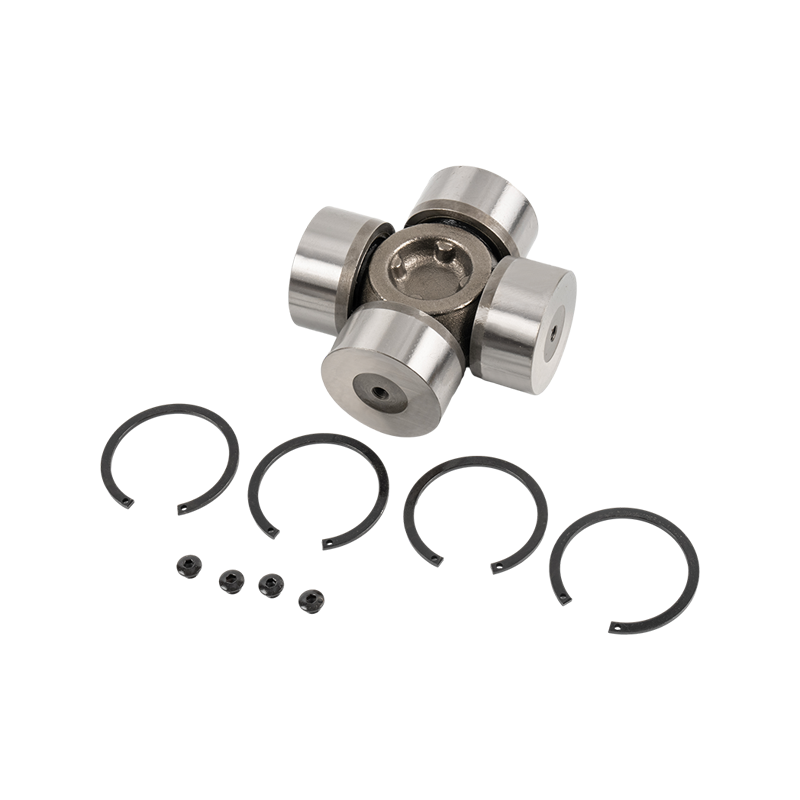
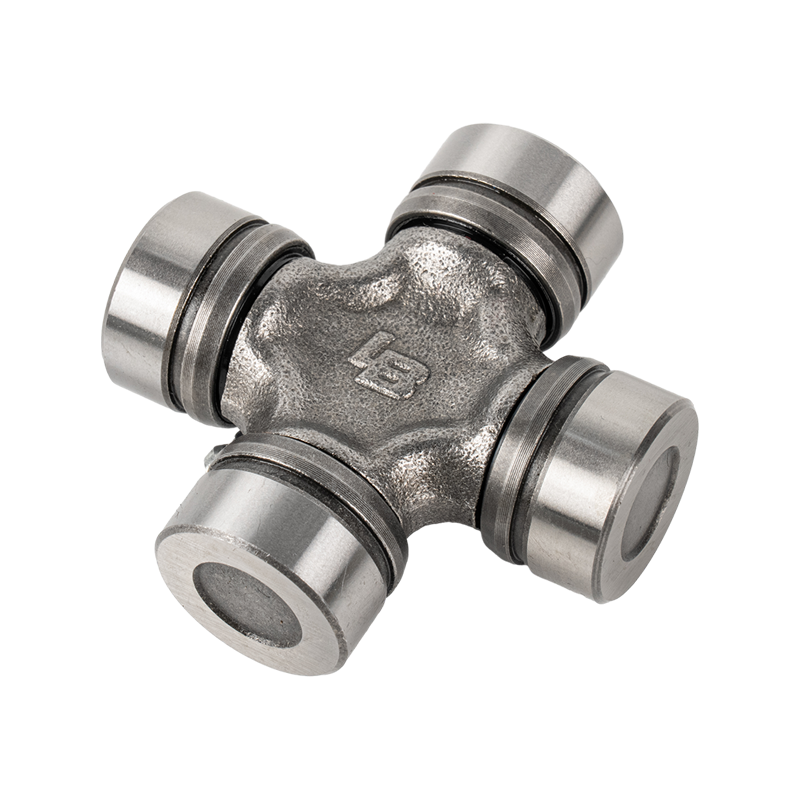
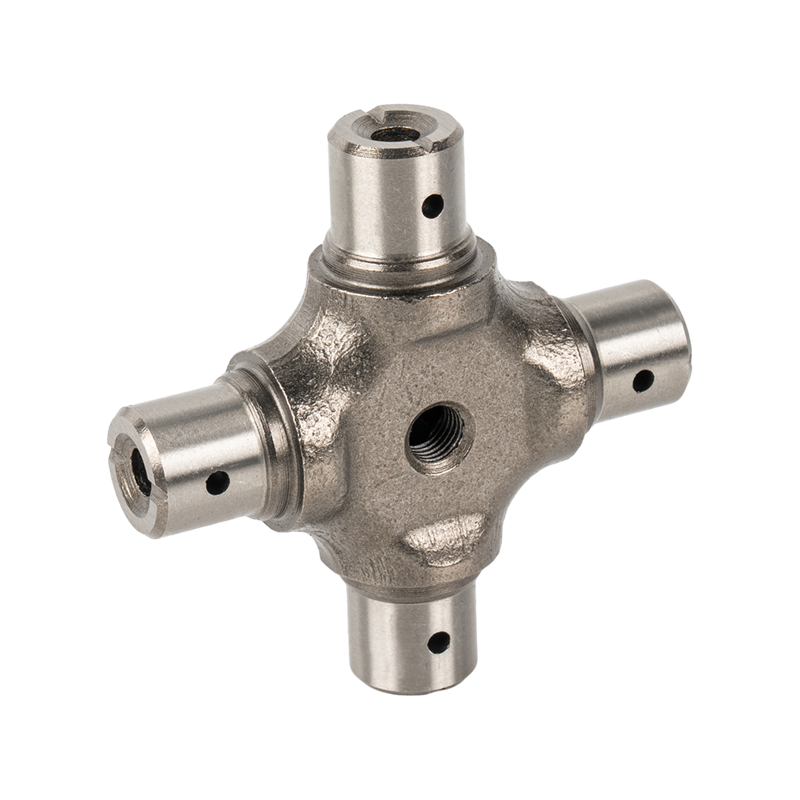
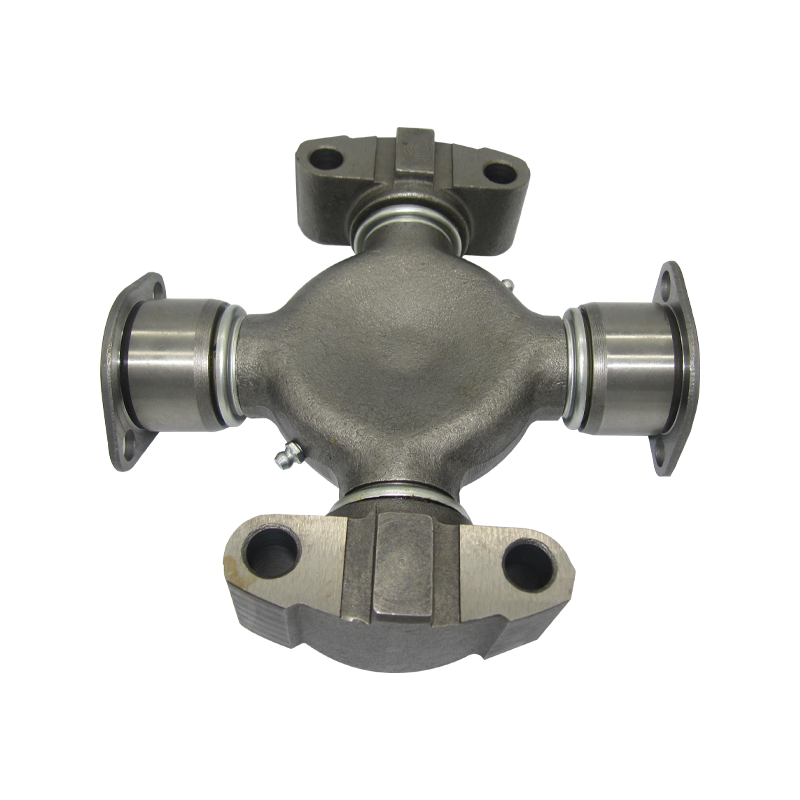
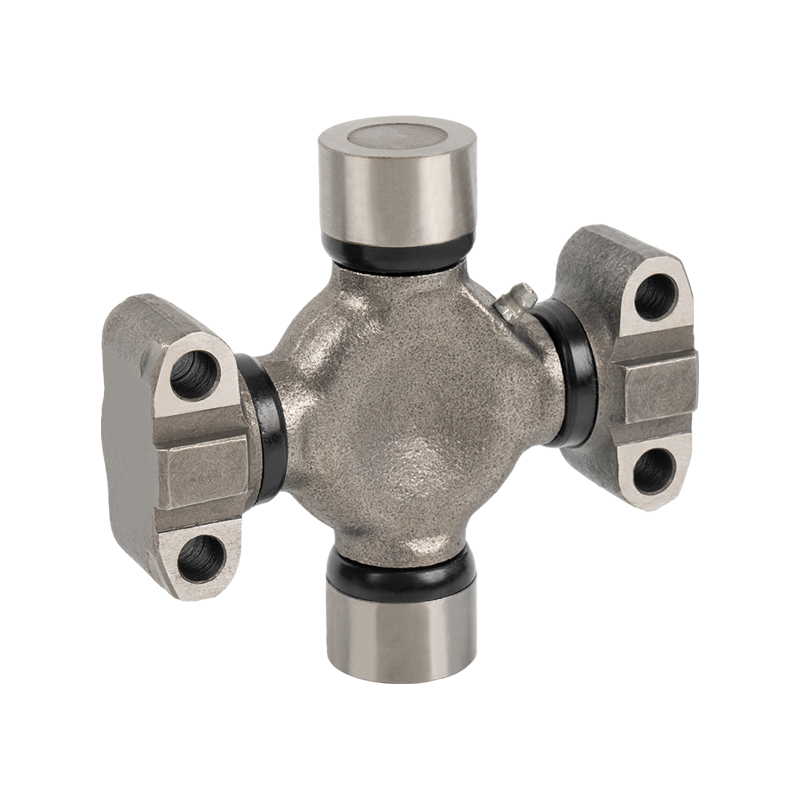
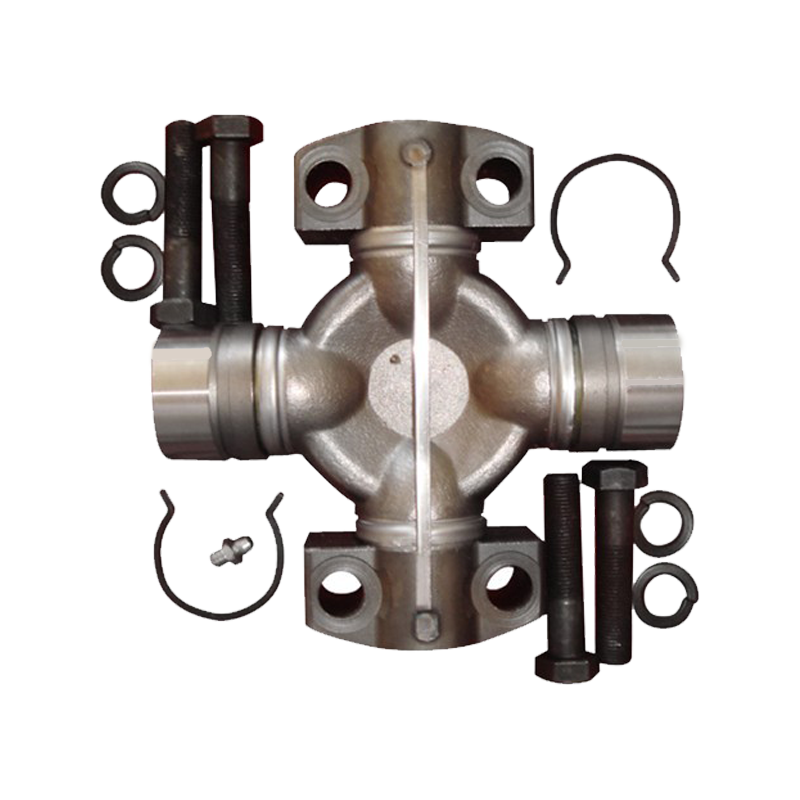
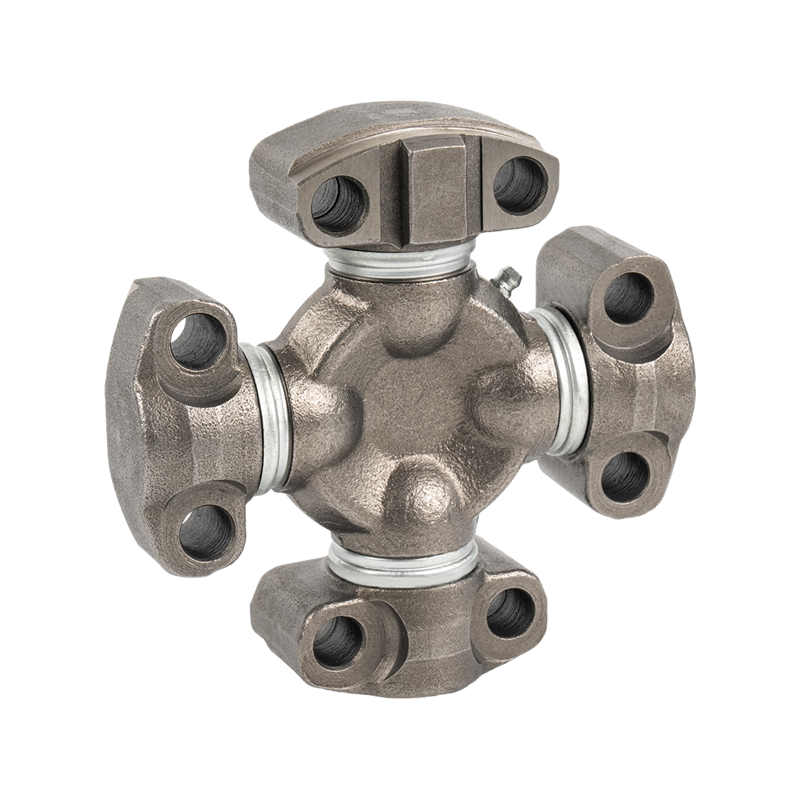
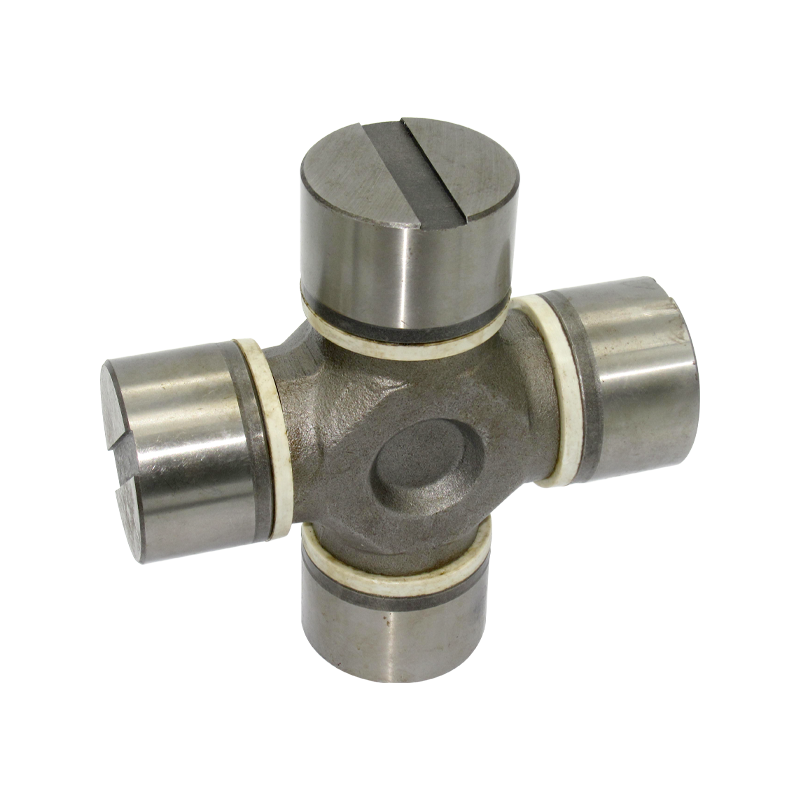
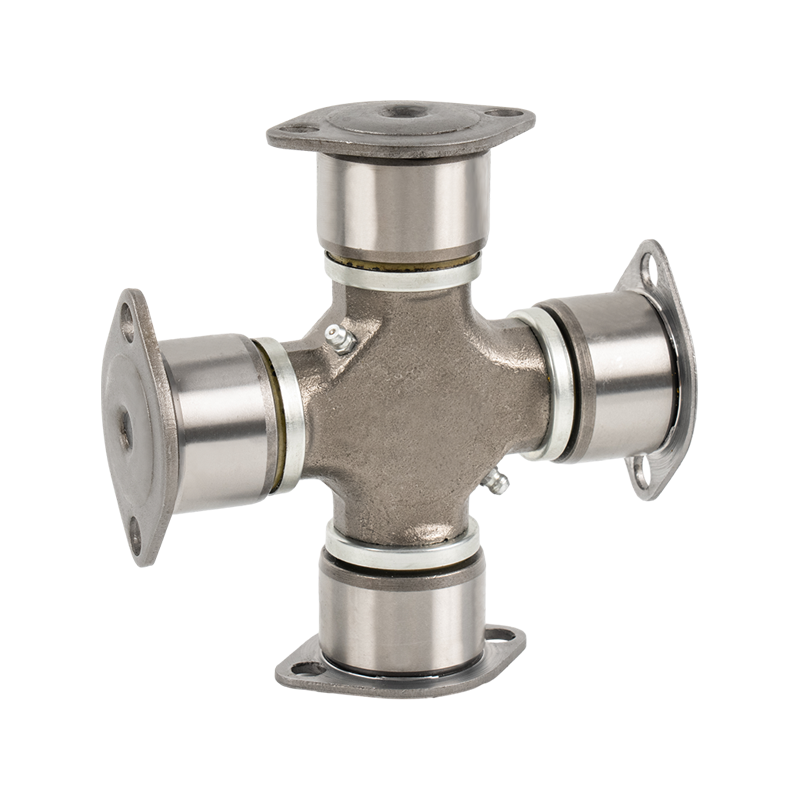
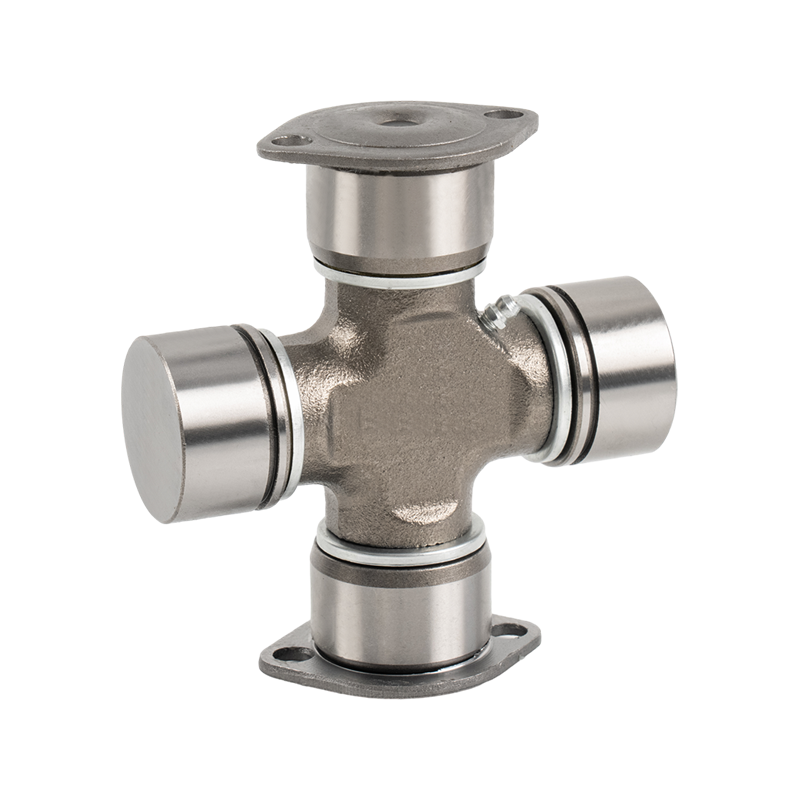
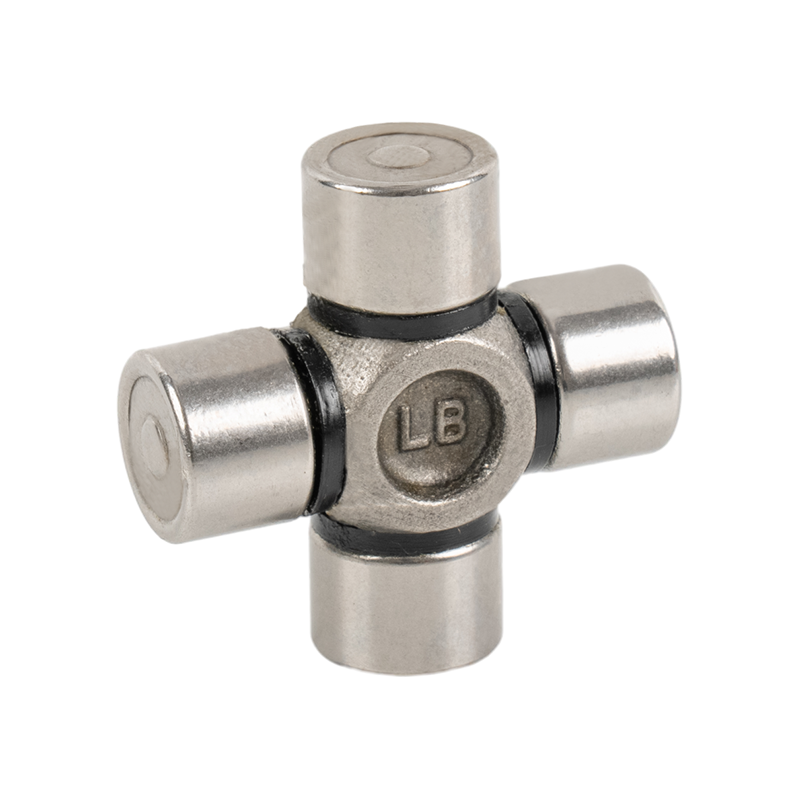
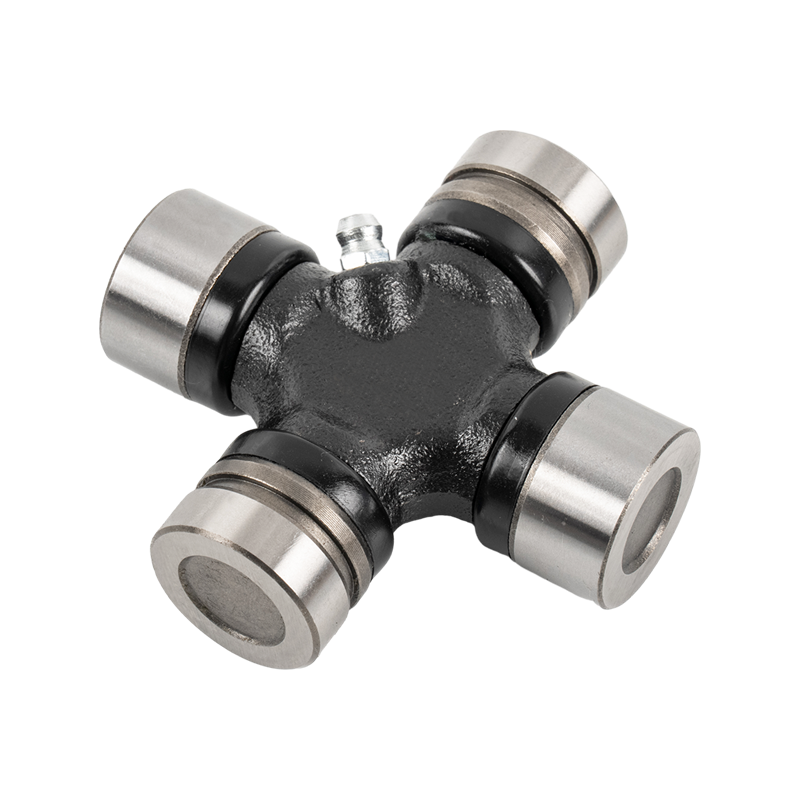
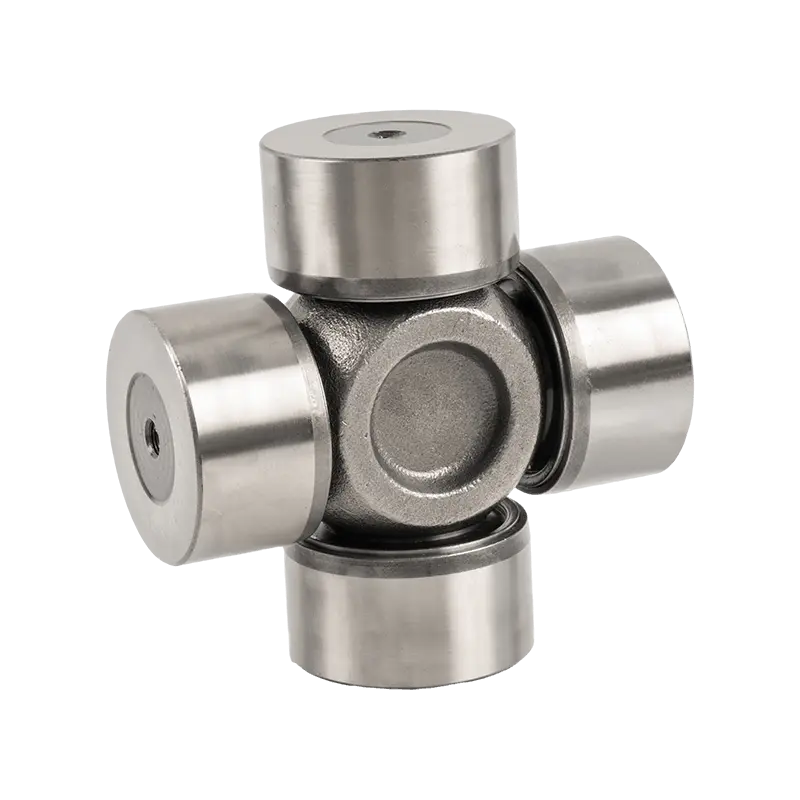
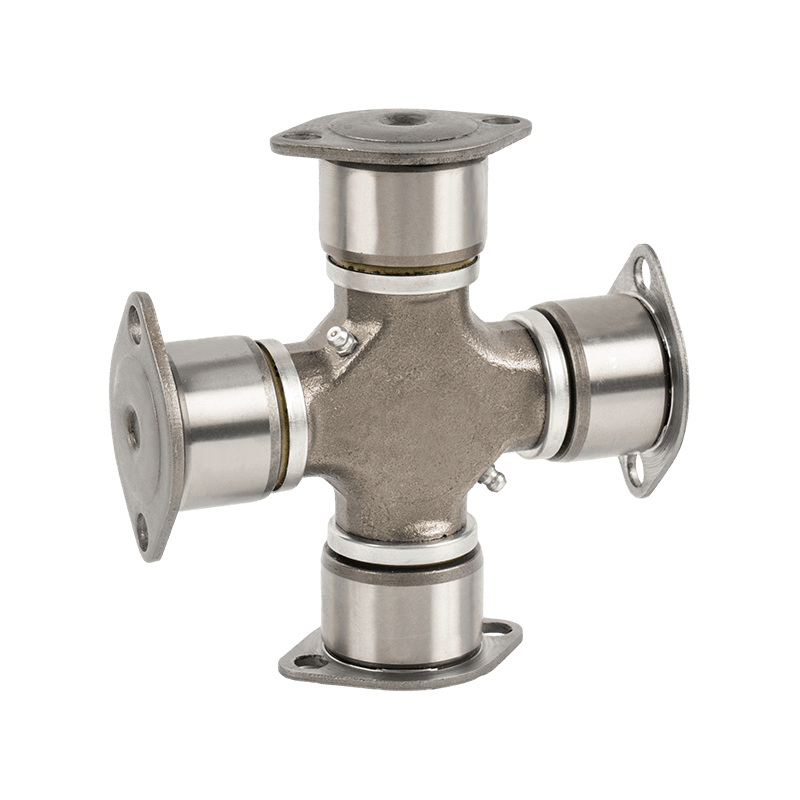
A steering U-joint, also known as a universal joint, is a critical component in the steering system of vehicles. It allows for the transfer of steering motion between different parts of the vehicle’s steering mechanism while compensating for changes in angle. Essentially, it connects the steering shaft to the steering column or the rack and pinion system, enabling smooth and precise steering responses even when the steering wheel is turned at various angles.
Conclusion: A steering U-joint is vital for the operation and safety of the vehicle's steering system. Its primary role is to ensure that steering input is effectively transferred, regardless of the vehicle’s movement or angle.
Types of Steering U-Joints
Steering U-joints come in various designs, each catering to specific vehicle requirements and driving conditions. Some common types include:
- Single U-joint: Simple design, commonly used in standard steering systems.
- Double U-joint: Used for greater flexibility and reduced vibration, often found in vehicles with a more complex steering system.
- Rag joint (or Flexible coupling): A rubberized U-joint designed to absorb shocks and reduce noise.
Conclusion: The type of steering U-joint chosen depends on the vehicle's design and the specific demands of the steering system. Choosing the right type ensures smoother steering performance and better durability.
Importance of Steering U-Joint in Vehicle Safety
The steering U-joint is essential for the safe operation of a vehicle. It ensures that the steering column remains connected to the rest of the steering system, allowing for precise control of the vehicle. A malfunctioning U-joint can lead to loss of steering control, posing serious safety risks. According to automotive safety data, steering system failures contribute to approximately 5% of road accidents annually.
Regular maintenance and timely replacement of worn U-joints are crucial to avoid accidents caused by steering failure. If any unusual noises or steering difficulty is noticed, it’s important to have the U-joint inspected immediately.
Conclusion: A properly functioning steering U-joint is vital for both vehicle safety and smooth driving performance. Neglecting it can lead to dangerous consequences.
Signs of a Faulty Steering U-Joint
Recognizing the signs of a faulty steering U-joint is crucial for preventing major steering system failures. Common symptoms include:
- Steering wheel vibrations or shaking, especially at higher speeds.
- Unusual noises such as squeaks, clunks, or grinding sounds when turning the wheel.
- Difficulty steering, with increased resistance when turning the wheel.
If these signs are noticed, it is critical to replace the U-joint promptly to prevent further damage to the steering system. Driving with a damaged U-joint can compromise your vehicle's handling and overall safety.
Conclusion: Early detection of a faulty steering U-joint can save you from costly repairs and ensure your vehicle’s steering remains reliable and safe.
Maintenance and Care for Steering U-Joints
Maintaining the steering U-joint involves regular inspections and proper lubrication. Over time, contaminants like dirt and moisture can degrade the U-joint, leading to rust and wear. Regular maintenance steps include:
- Inspecting the U-joint during routine vehicle check-ups to ensure no wear or damage.
- Greasing the U-joint at regular intervals to prevent friction and ensure smooth motion.
- Replacing any damaged or worn-out U-joints promptly to avoid steering system failure.
Maintaining the U-joint’s condition is relatively simple and can prolong the life of your vehicle’s steering system.
Conclusion: Proper maintenance of the steering U-joint is essential for ensuring smooth steering operation and extending the lifespan of the steering system.