

 Language
 中文简体
中文简体
What Are the 4 Types of Joints? A Complete Guide
Content
- 1 Fibrous Joints: Zero Movement, Maximum Stability
- 2 Cartilaginous Joints: Limited Motion with Shock Absorption
- 3 Synovial Joints: The Most Mobile and Most Common
- 4 Gomphosis: The Specialized Peg-and-Socket Joint
- 5 The 4 Types of Joints at a Glance
- 6 Universal Joint: Engineering's Answer to Angular Motion Transfer
- 7 Biological vs. Mechanical Joints: Shared Principles
The 4 types of joints are: fibrous joints, cartilaginous joints, synovial joints, and gomphosis joints. These classifications are based on structure and the degree of movement they allow—ranging from completely immovable to highly mobile. In mechanical engineering, the universal joint is a specialized joint type that transmits rotary motion between shafts at varying angles, making it one of the most important mechanisms in vehicle drivetrains and industrial machinery.
Fibrous Joints: Zero Movement, Maximum Stability
Fibrous joints are held together by dense connective tissue—primarily collagen—and allow little to no movement. They are found where rigidity is essential for protection or structural support.
Key Subtypes
- Sutures: Found only in the skull; the bones interlock like puzzle pieces and are bound by short Sharpey's fibers. By age 20–30, most sutures begin to ossify (fuse completely).
- Syndesmoses: Bones are connected by a ligament or interosseous membrane, allowing very slight movement. Example: the distal tibiofibular joint in the ankle.
- Gomphoses: A peg-in-socket joint, exclusively found where teeth anchor into the jawbone via the periodontal ligament. Technically a subtype of fibrous joints, it is sometimes listed as its own 4th category.
Fibrous joints account for the majority of joints in the skull—there are 22 bones in the human skull connected by approximately 8 major suture lines.
Cartilaginous Joints: Limited Motion with Shock Absorption
Cartilaginous joints connect bones via cartilage. They permit limited movement and excel at absorbing compressive forces. There are two subtypes:
Synchondroses vs. Symphyses
| Feature | Synchondrosis | Symphysis |
|---|---|---|
| Cartilage Type | Hyaline cartilage | Fibrocartilage |
| Movement | Virtually none | Slight (1–2 mm) |
| Example | Epiphyseal growth plate | Pubic symphysis, intervertebral discs |
| Permanence | Temporary (ossifies) | Permanent |
The intervertebral discs—a type of symphysis—absorb up to 3 times body weight in compressive force during normal daily activities. Their fibrocartilage structure is the reason the human spine can withstand significant loads without fracture.
Synovial Joints: The Most Mobile and Most Common
Synovial joints are the most prevalent type in the body and allow the widest range of movement. They are defined by a synovial cavity filled with synovial fluid, articular cartilage, and a joint capsule. There are 6 subtypes classified by shape and motion:
- Ball-and-socket: Greatest range of motion (flexion, extension, rotation, circumduction). Example: hip and shoulder joints. The hip joint can achieve up to 120° of flexion.
- Hinge: Uniaxial movement (flexion/extension only). Example: elbow and knee joints. The knee can flex up to 135°.
- Pivot: Rotation around a single axis. Example: atlantoaxial joint (allows head rotation of ~90° per side).
- Condyloid (ellipsoid): Biaxial movement without rotation. Example: wrist joint (radiocarpal), metacarpophalangeal joints.
- Saddle: Biaxial, with greater freedom than condyloid. Example: carpometacarpal joint of the thumb—critical for the opposable grip.
- Plane (gliding): Flat surfaces slide against each other. Example: intercarpal joints in the wrist, acromioclavicular joint.
The human body contains approximately 360 joints in total, and the majority of freely movable joints are synovial. Synovial fluid—produced by the synovial membrane—has a viscosity similar to egg white and reduces joint friction to nearly zero under normal loading conditions.
Gomphosis: The Specialized Peg-and-Socket Joint
A gomphosis is a highly specialized fibrous joint found exclusively between teeth and bone. The root of each tooth is anchored into its alveolar socket in the maxilla or mandible by the periodontal ligament (PDL)—a dense network of collagen fibers.
While technically immovable, the PDL allows microscopic physiological movement of approximately 25–100 micrometers under masticatory (chewing) force. This micro-mobility prevents direct bone fracture under biting loads that can reach up to 200 pounds of force on the molars.
In some classification systems, gomphosis is listed as the 4th independent joint type alongside fibrous, cartilaginous, and synovial joints, due to its unique structure and function distinct from typical sutures or syndesmoses.
The 4 Types of Joints at a Glance
| Joint Type | Connecting Tissue | Mobility | Example |
|---|---|---|---|
| Fibrous | Collagen fibers | None to slight | Skull sutures |
| Cartilaginous | Hyaline / fibrocartilage | Slight | Intervertebral discs |
| Synovial | Synovial fluid + capsule | High (multi-axis) | Hip, knee, shoulder |
| Gomphosis | Periodontal ligament | Microscopically slight | Teeth in jaw sockets |
Universal Joint: Engineering's Answer to Angular Motion Transfer
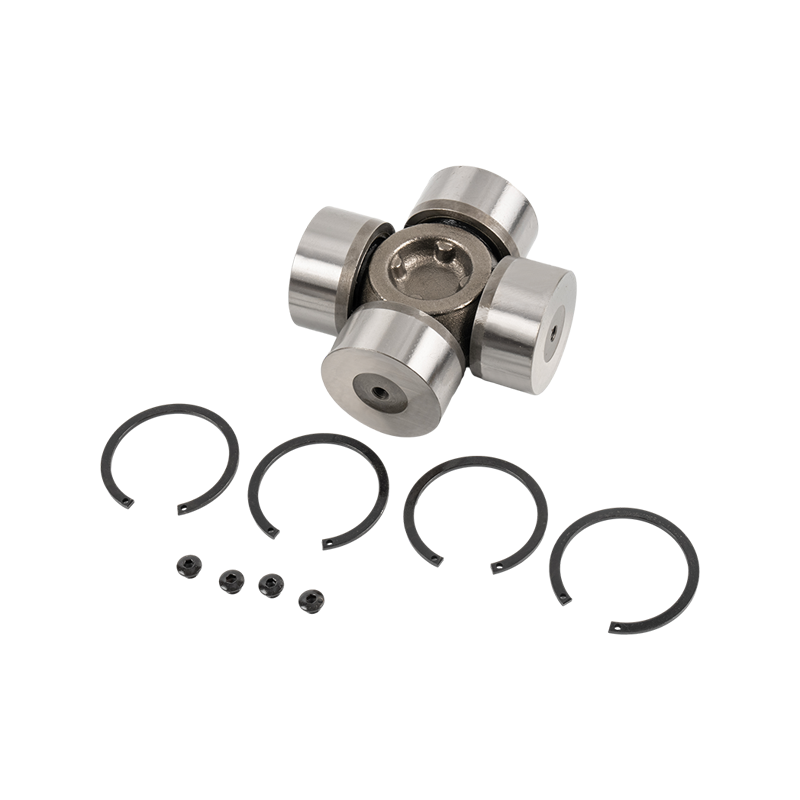
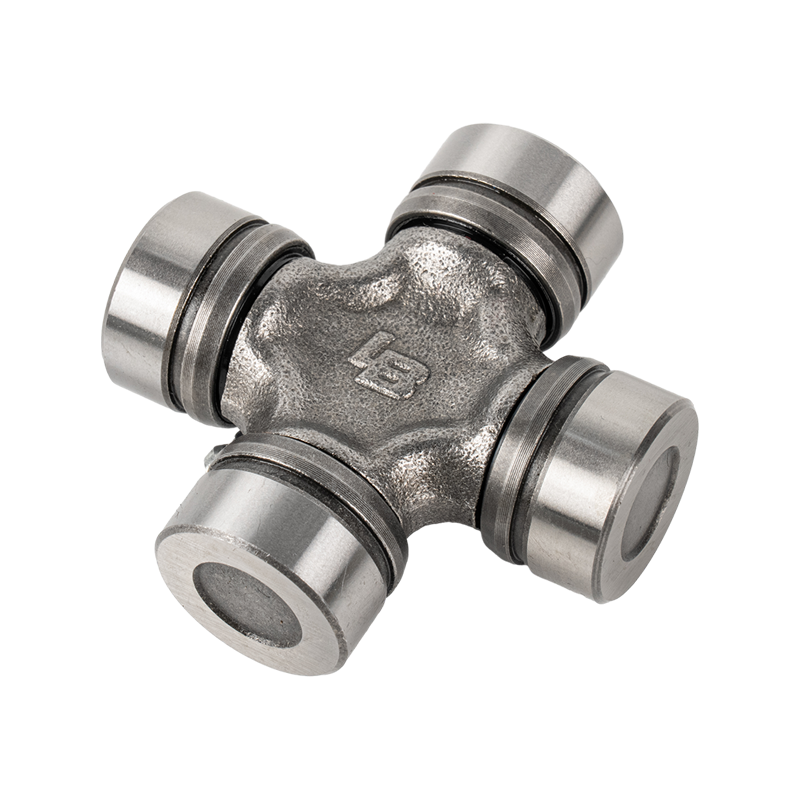
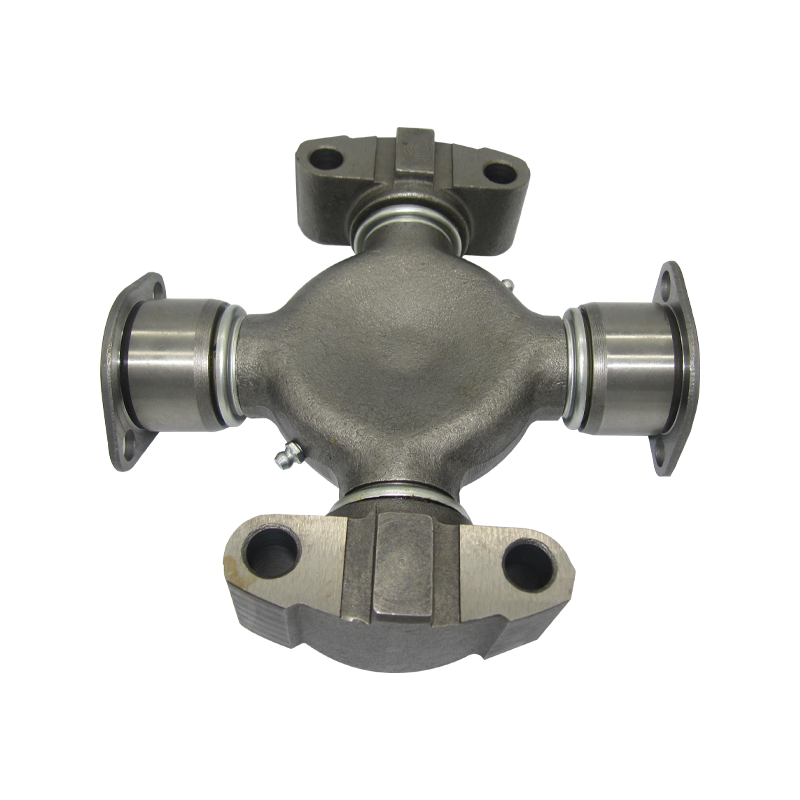
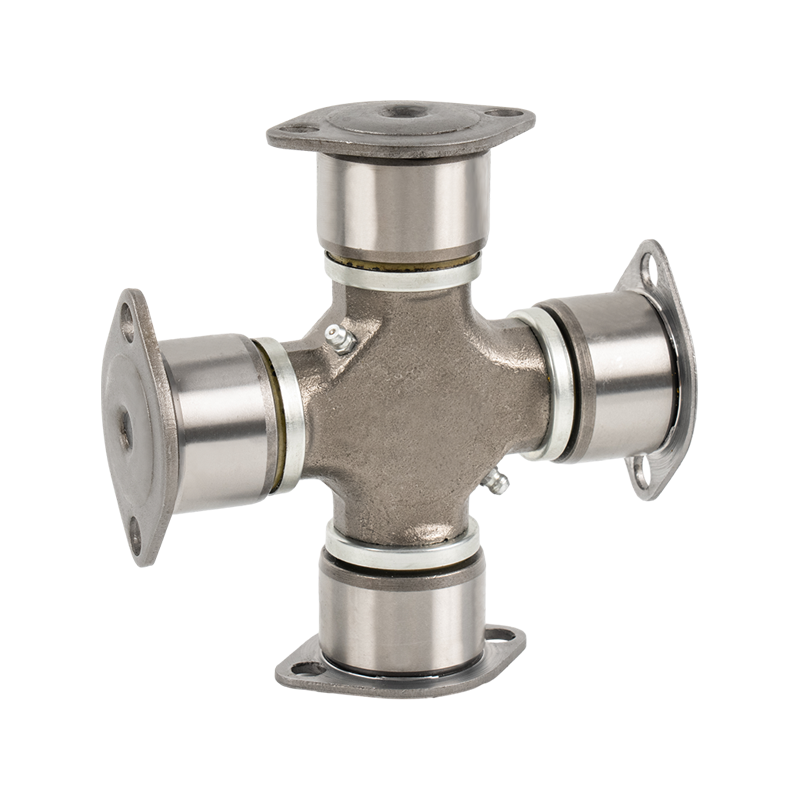
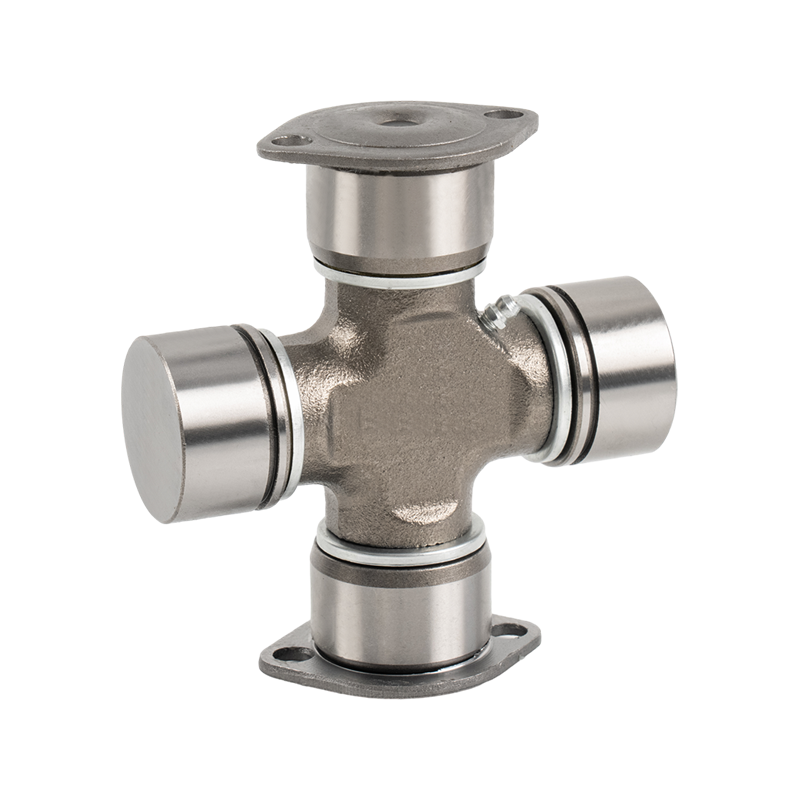
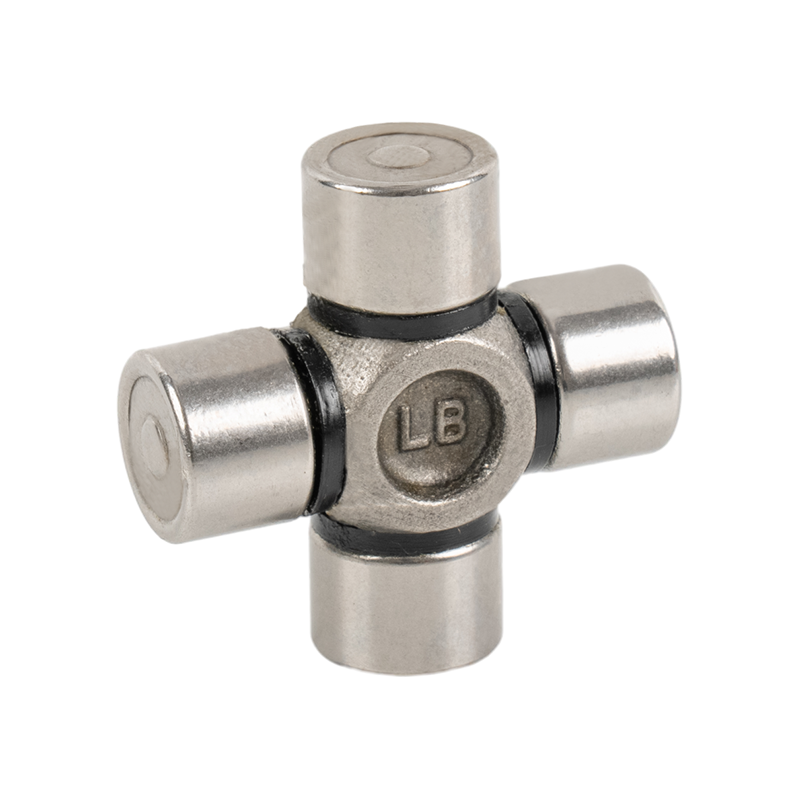
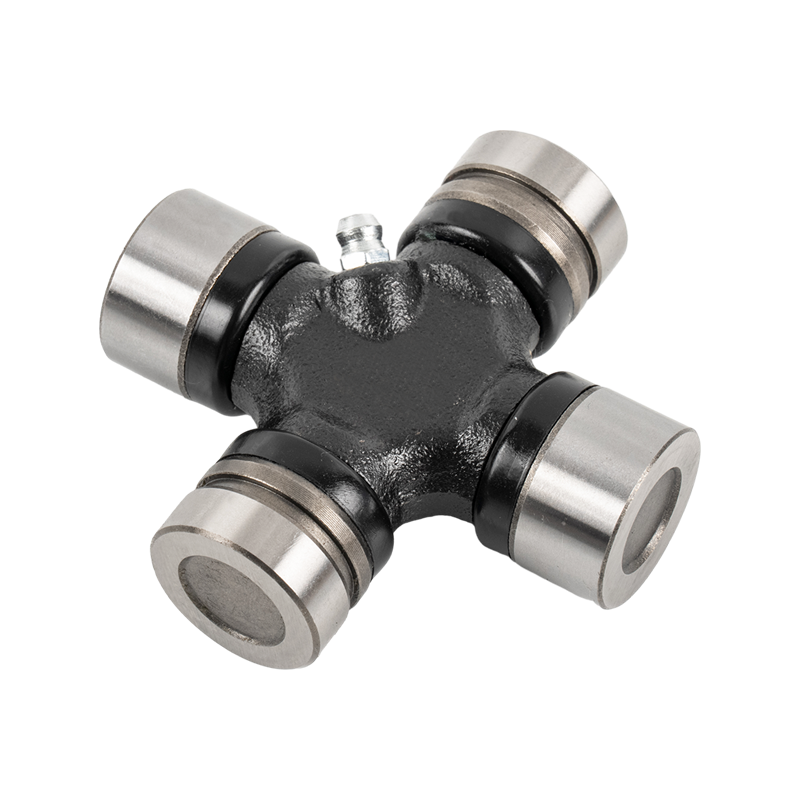
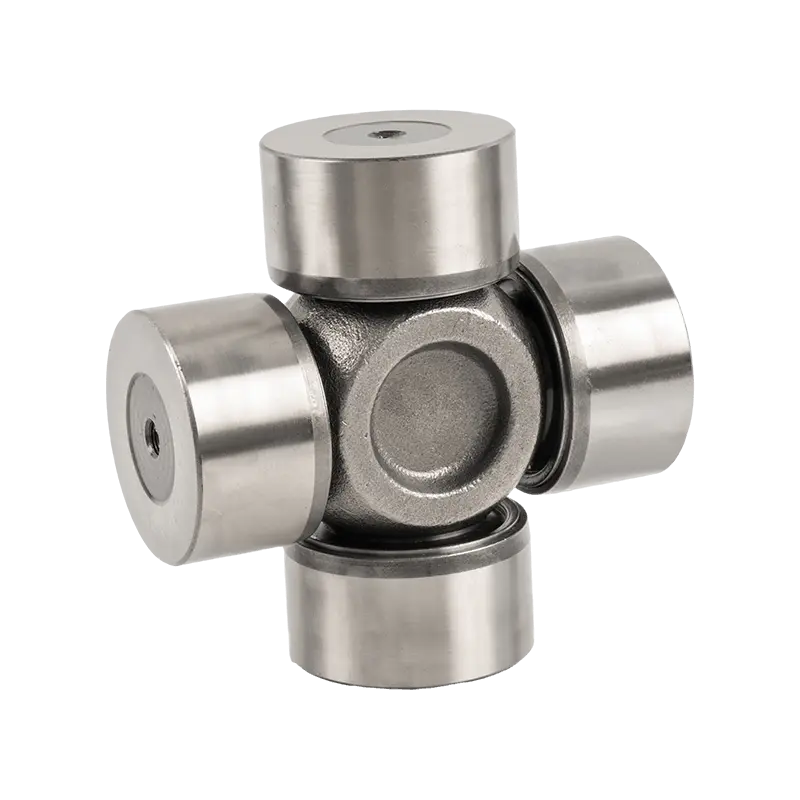
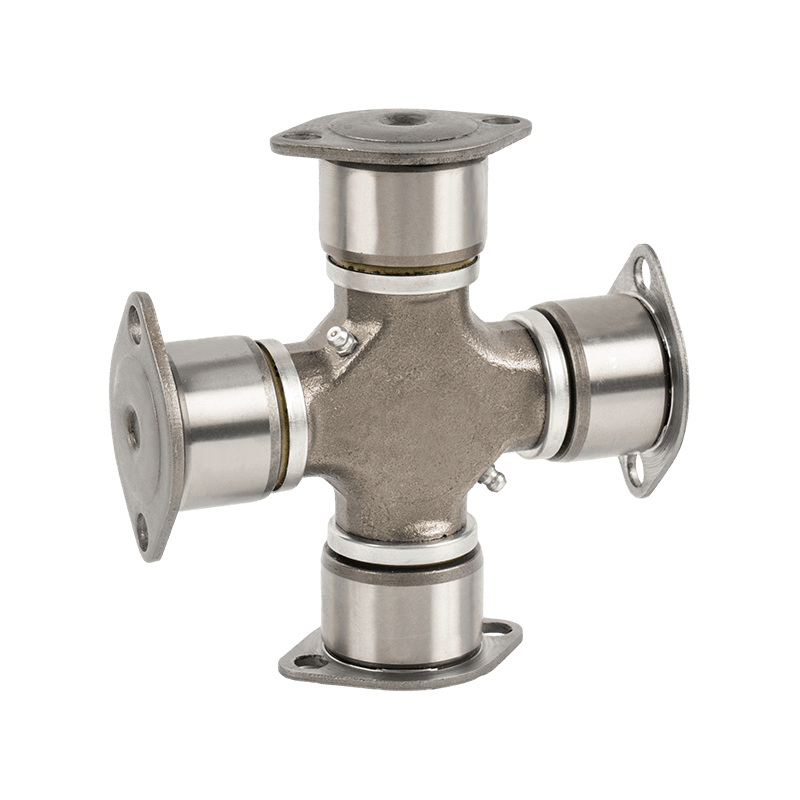
A universal joint (U-joint) is a mechanical coupling that allows the transmission of rotary motion and torque between two shafts that are not in a straight line—operating effectively at angles typically between 1° and 30°, with some heavy-duty designs handling up to 45°.
How a Universal Joint Works
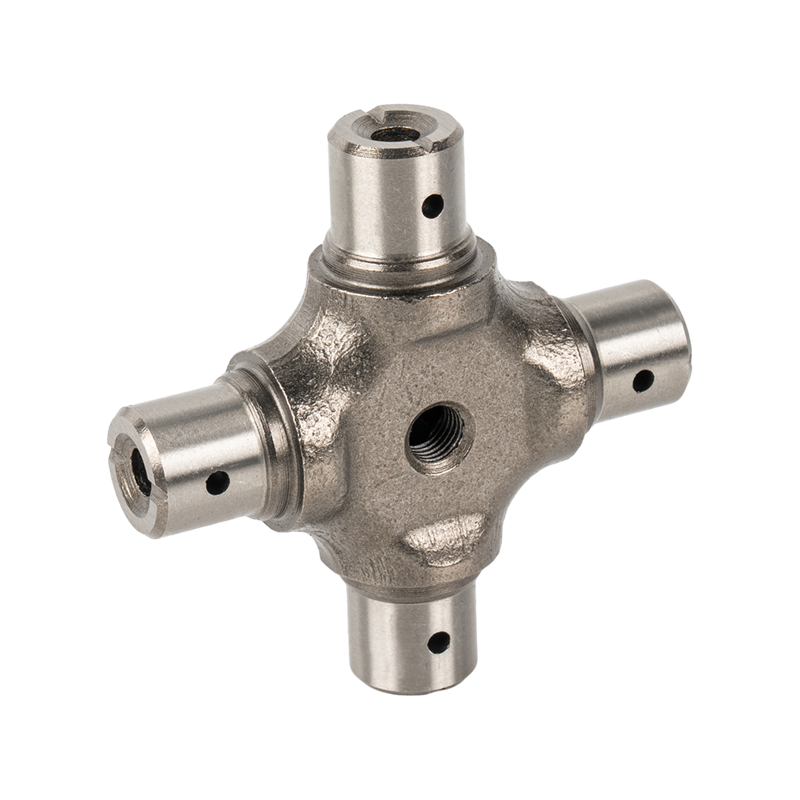
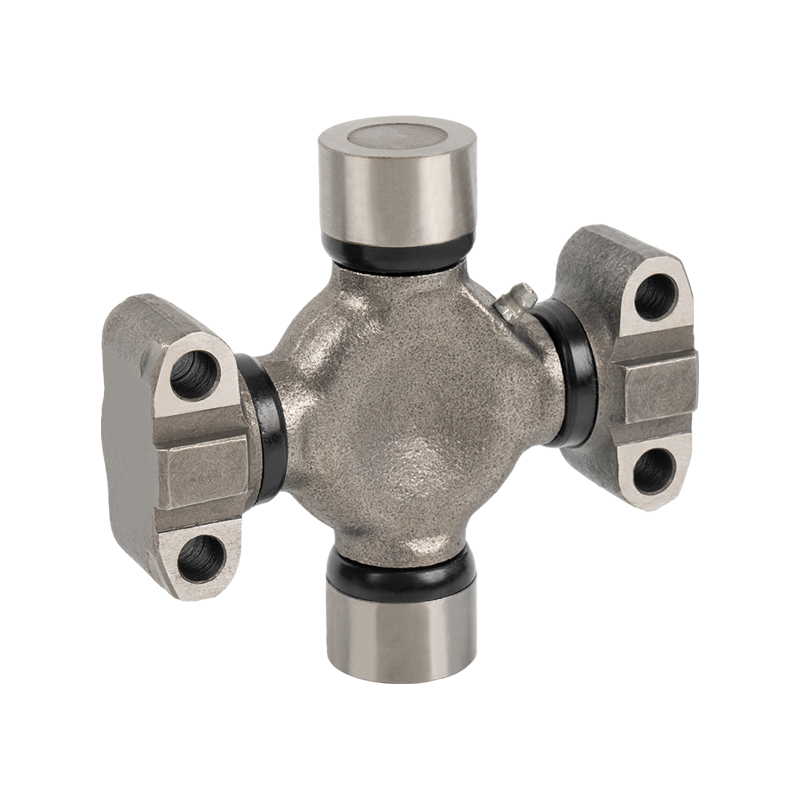
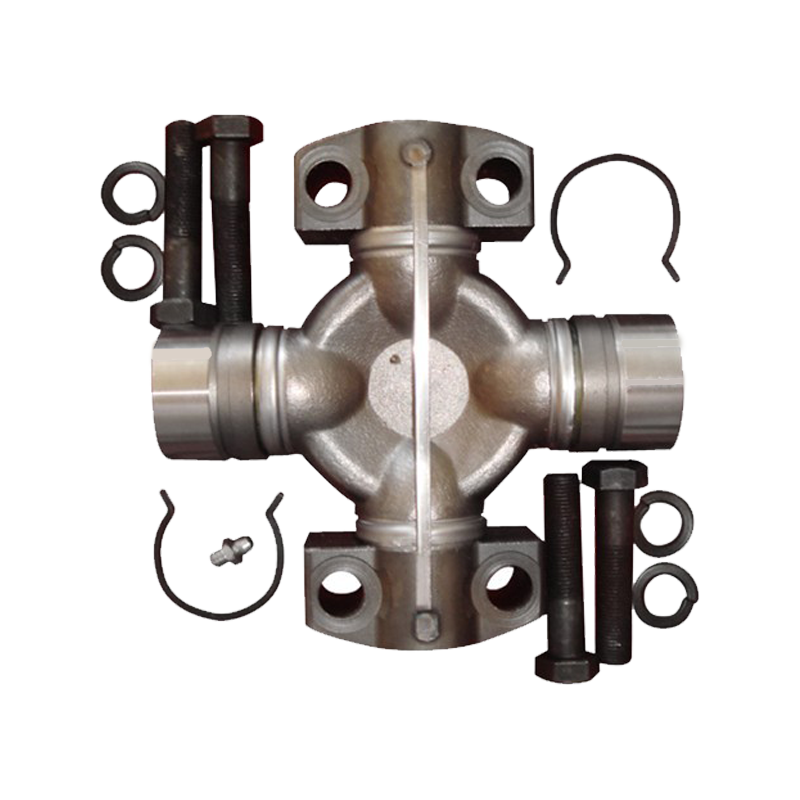
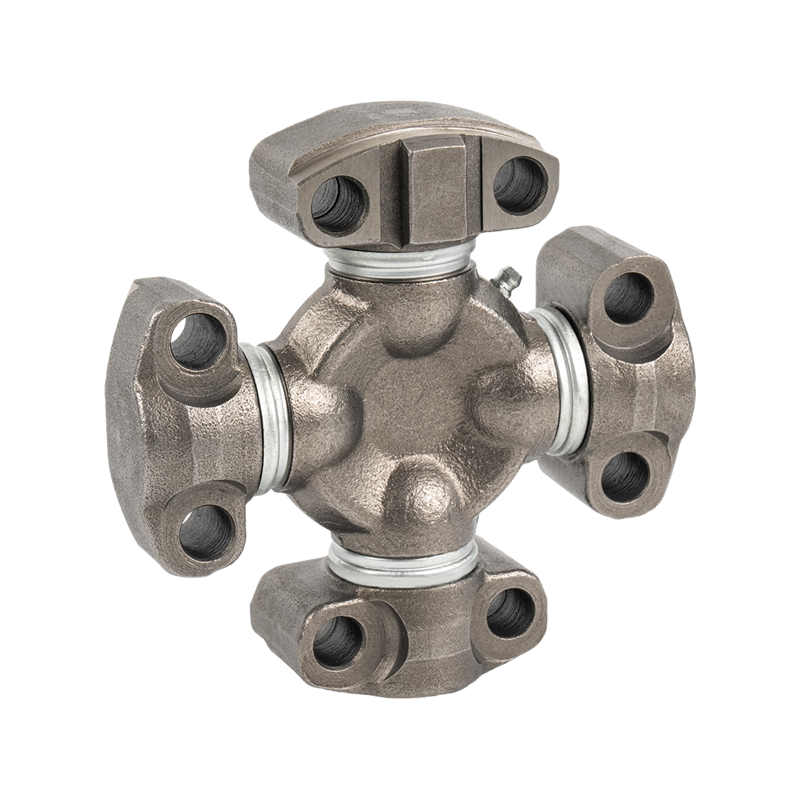
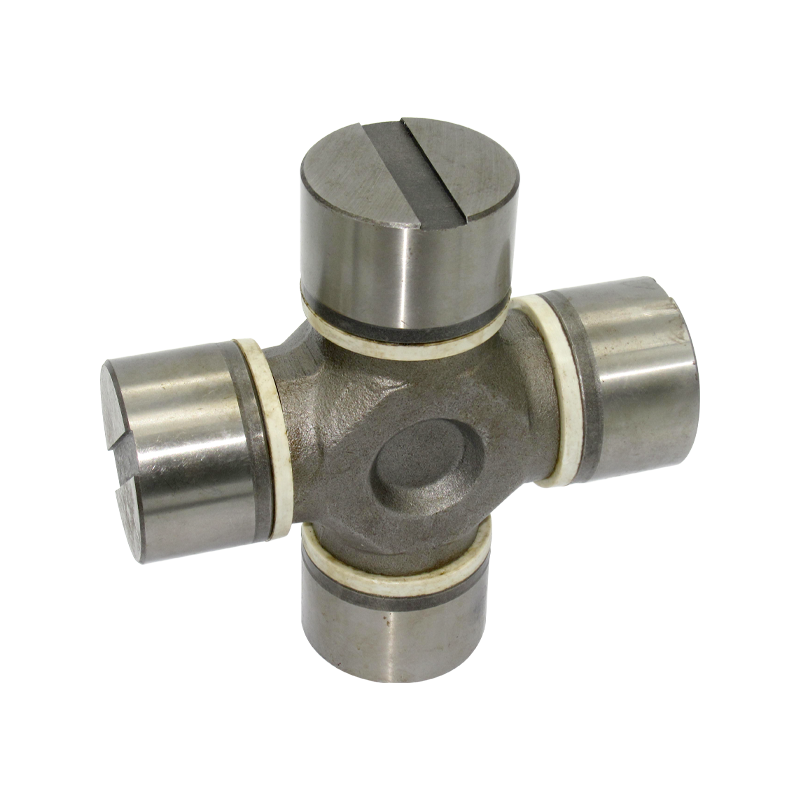
The standard Cardan U-joint consists of two yokes connected by a cross-shaped trunnion (also called a spider). As one shaft rotates, the spider transmits motion to the second yoke. At any non-zero angle, the output shaft rotates at a variable speed even when the input is constant—completing one full cycle of speed fluctuation per shaft revolution. This is called velocity non-uniformity or "Cardan error."
To cancel out this fluctuation, engineers use a double Cardan joint (two U-joints in series with a centering socket), which delivers nearly constant velocity output. This is distinct from a true Constant Velocity (CV) joint, though the terms are sometimes conflated.
Universal Joint vs. CV Joint
| Feature | Universal Joint (U-joint) | CV Joint |
|---|---|---|
| Output Speed | Variable at angle | Constant at any angle |
| Typical Max Angle | ~30° (standard), 45° (heavy) | Up to 52° (Rzeppa type) |
| Primary Use | Driveshafts (RWD trucks) | Front-wheel drive axles |
| Vibration | Present at higher angles | Minimal |
| Cost | Lower | Higher |
Where Universal Joints Are Used
- Automotive driveshafts: Rear-wheel and four-wheel drive vehicles use U-joints to connect the transmission to the differential. A typical light truck driveshaft operates at angles of 3°–5° under normal load.
- Industrial machinery: Rolling mills, paper machines, and printing presses use heavy-duty U-joints to transmit torques exceeding 500,000 Nm in steel mill applications.
- Aerospace: Used in aircraft control systems and helicopter tail rotor shafts where compact angular coupling is needed.
- Agriculture: PTO (power take-off) shafts on tractors rely on U-joints to drive implements at variable hitch angles.
While biological and mechanical joints serve different systems, they share core engineering principles: load distribution, friction reduction, and constrained movement. The ball-and-socket synovial joint and the ball-and-socket mechanical joint both achieve multi-axis rotation. The universal joint mimics the movement freedom of the shoulder's glenohumeral joint—but with precision manufacturing tolerances of ±0.01 mm for automotive-grade components.
Understanding joint classification—whether in anatomy or mechanical engineering—provides a foundation for diagnosing joint failure, designing prosthetics, engineering drivetrains, and optimizing structural systems. The 4 types of joints and the mechanics of the universal joint are not isolated topics; together they represent how articulation, stability, and motion transfer are solved across biological and engineered systems.