

 Language
 中文简体
中文简体
4 Welded Plate Type Round Bearings U-Joint - Applications & Selection Guide
Content
Most universal joint failures do not announce themselves in advance. One day the driveline runs hot, the next you hear a click when the load reverses, and by the time the shaft is on the bench the bearing cap is already scored. If the cross came out of a PTO driveline and shows four round bearing cups sealed by steel plates that were welded to the yoke, you are looking at a 4 welded plate type round bearings U-joint. It is a common but frequently misunderstood design, and knowing how it differs from snap-ring, staked, or winged bearings will help you order the right cross the first time.
What Does the Name Mean?
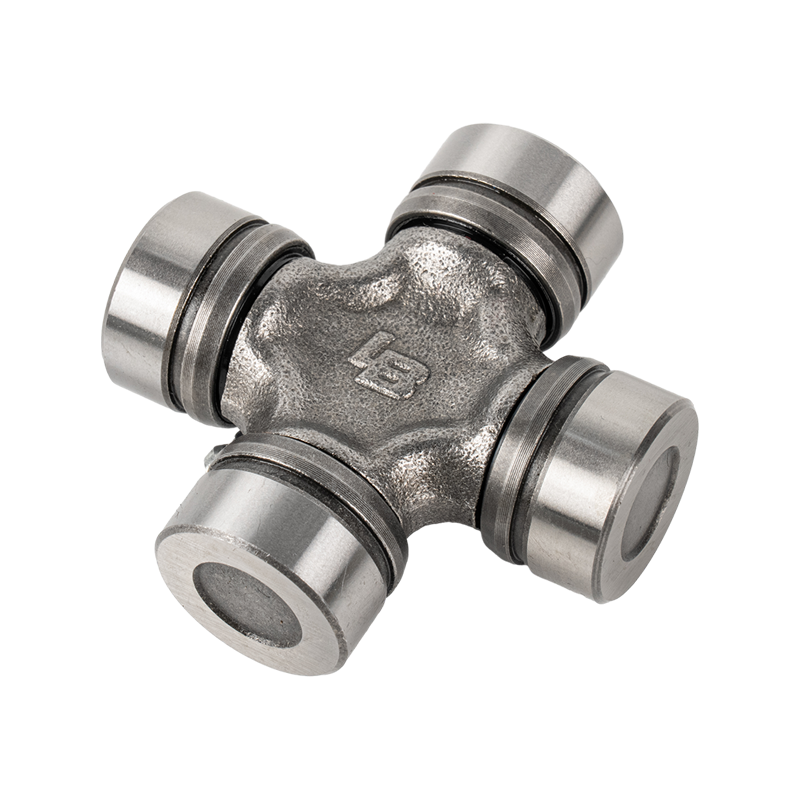
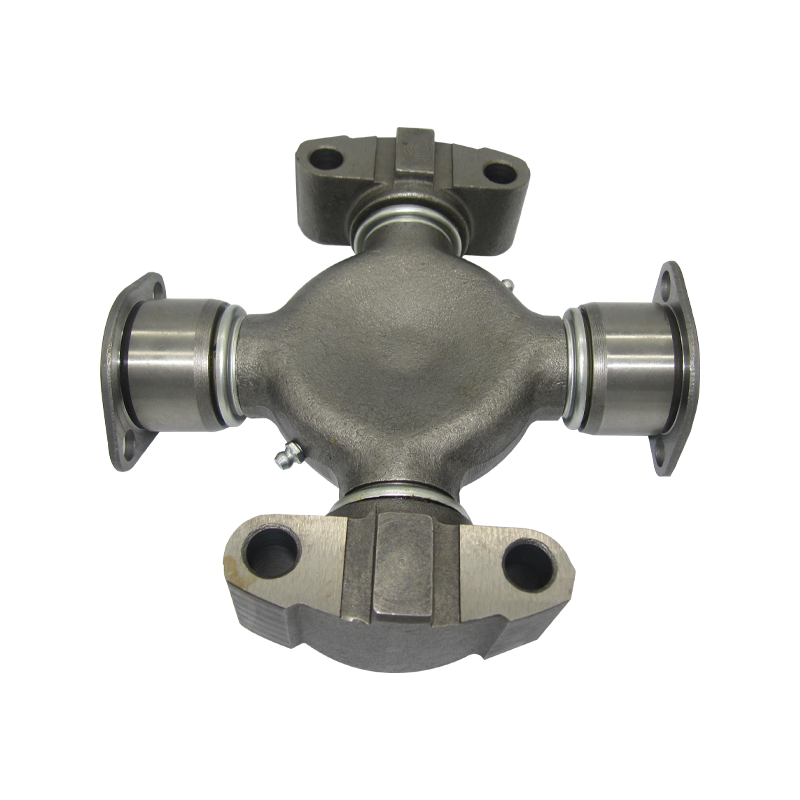
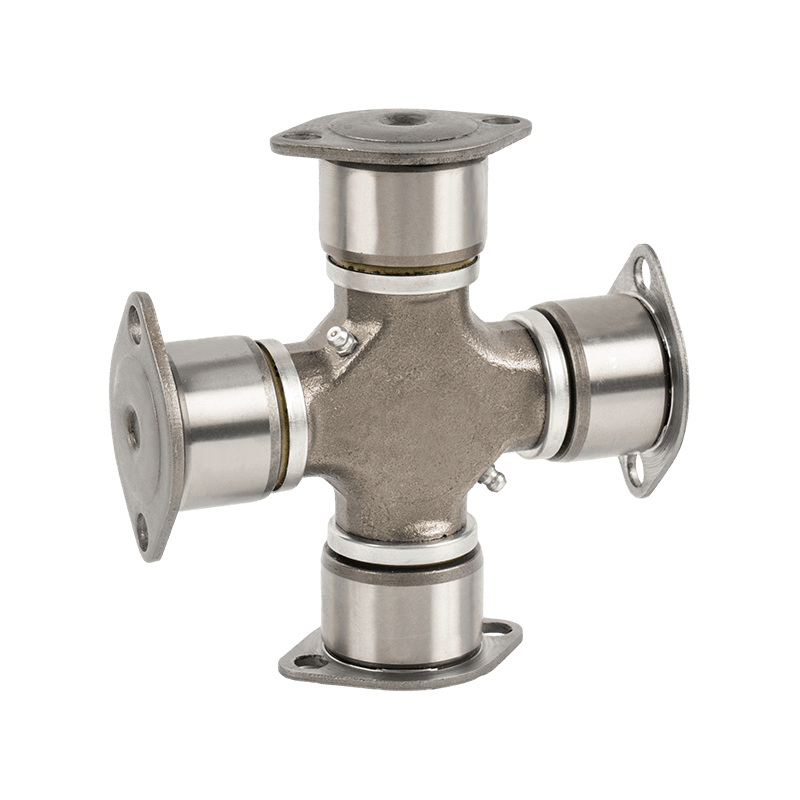
A universal joint is built around a cross-shaped alloy-steel body with four trunnions. Each trunnion rotates inside a cylindrical bearing cup, and each cup is seated in the yoke at the end of the driveshaft. The name "4 welded plate type round bearings" describes all four cups in one compact phrase: they are plain round cups, and each cup is closed by a flat steel plate that is welded to the yoke.
The welded plates lock the cups in position permanently. There are no snap rings, no circlips, and no U-bolt retaining straps. This is a significant difference from a conventional truck U-joint, where the cap is held by a snap ring in a groove or by a staked lip of yoke material.
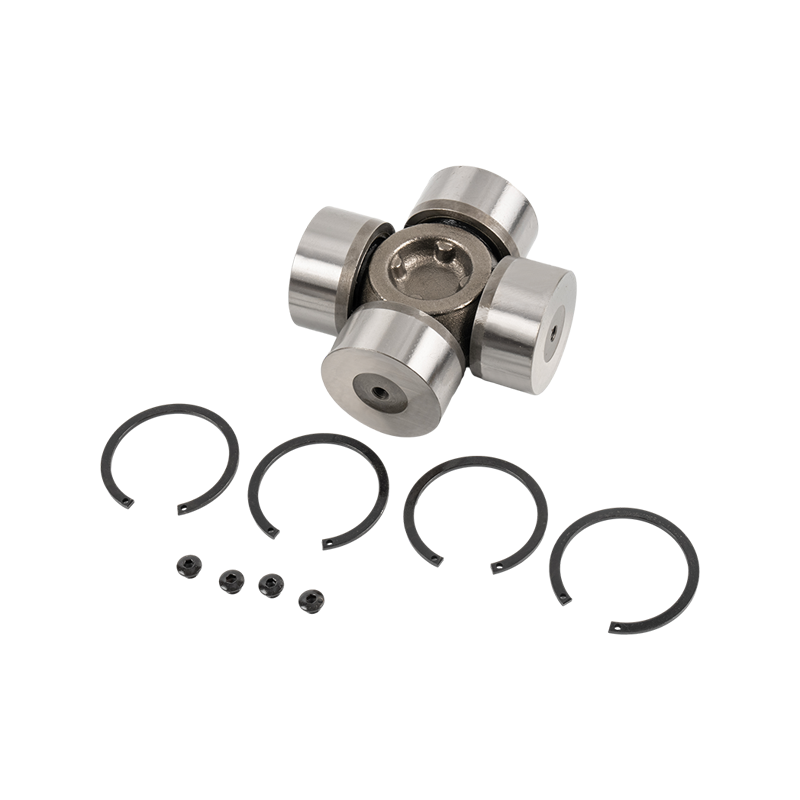
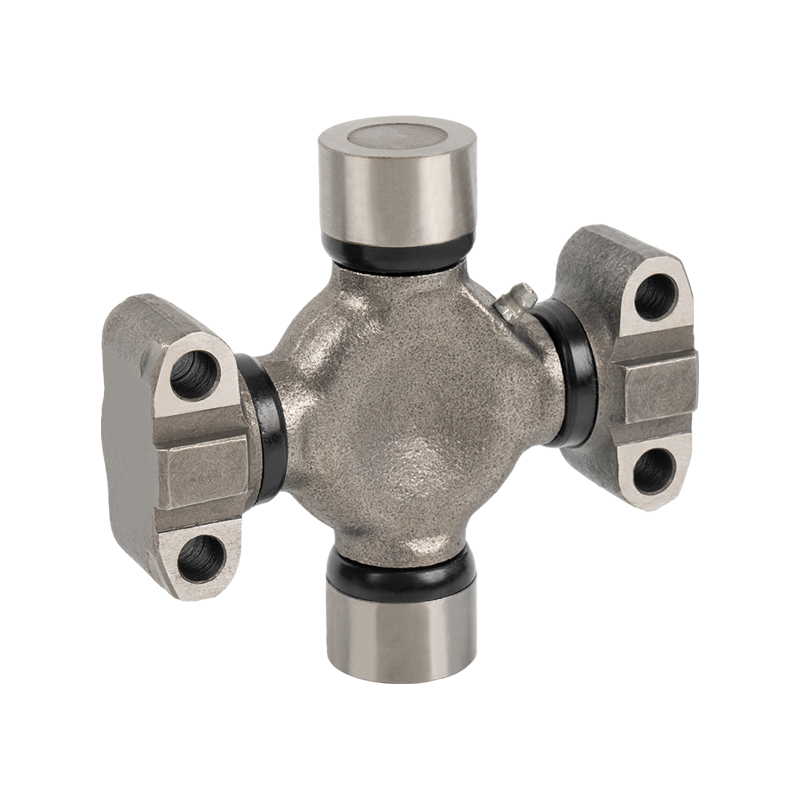
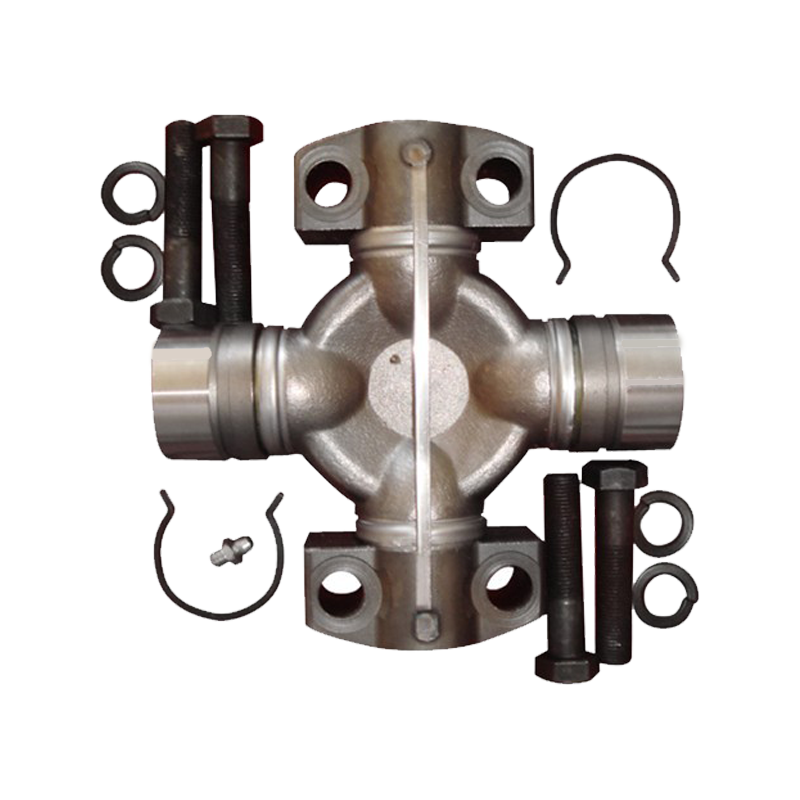
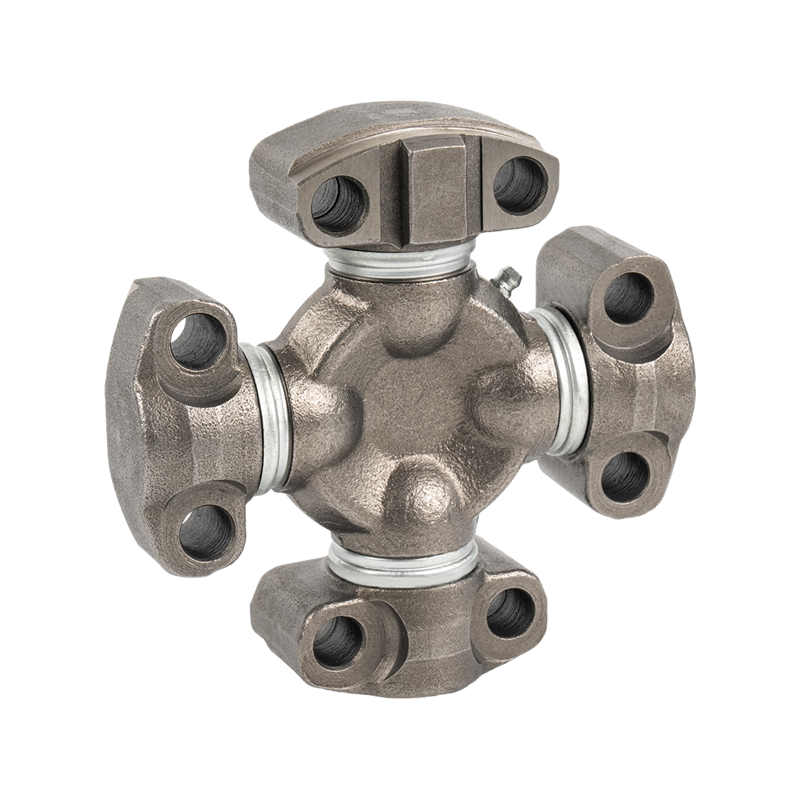
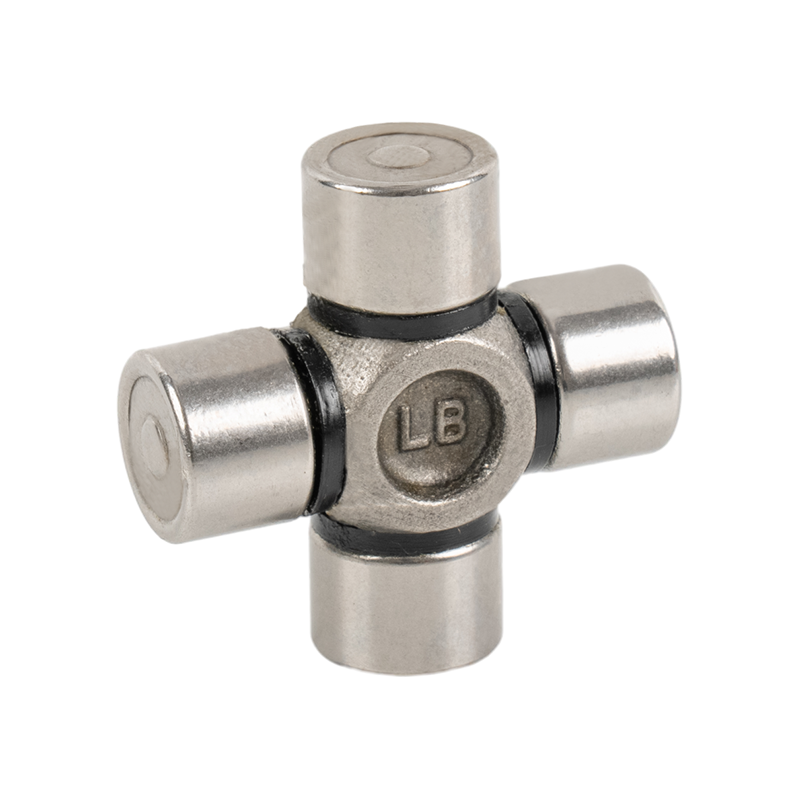
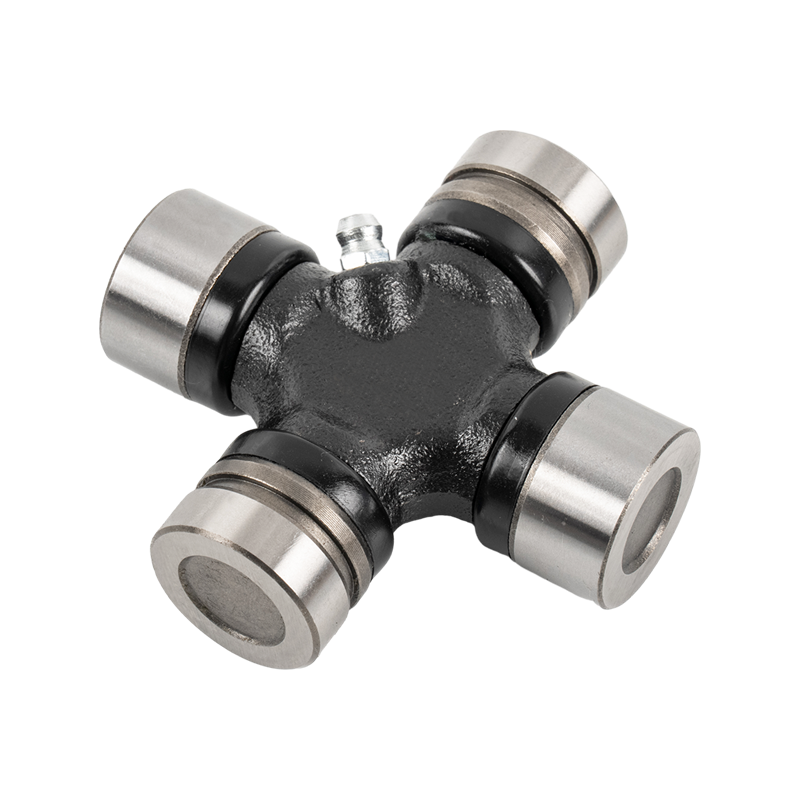
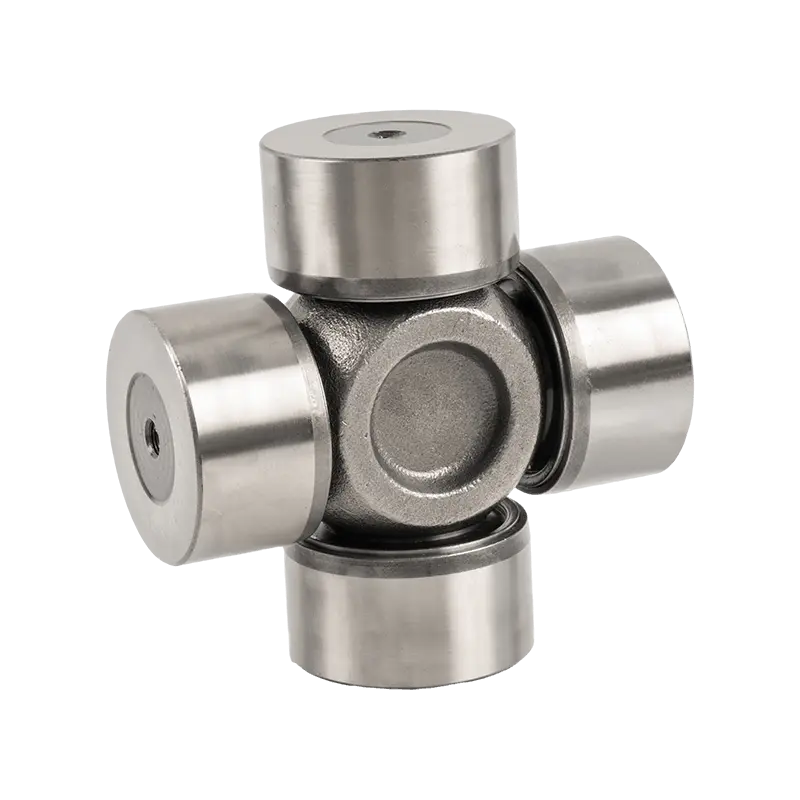
For a ready-to-install part with all four caps in this welded-plate format, a 4 welded plate type round bearings U-joint is the most direct match and is widely used on agricultural PTO shafts.
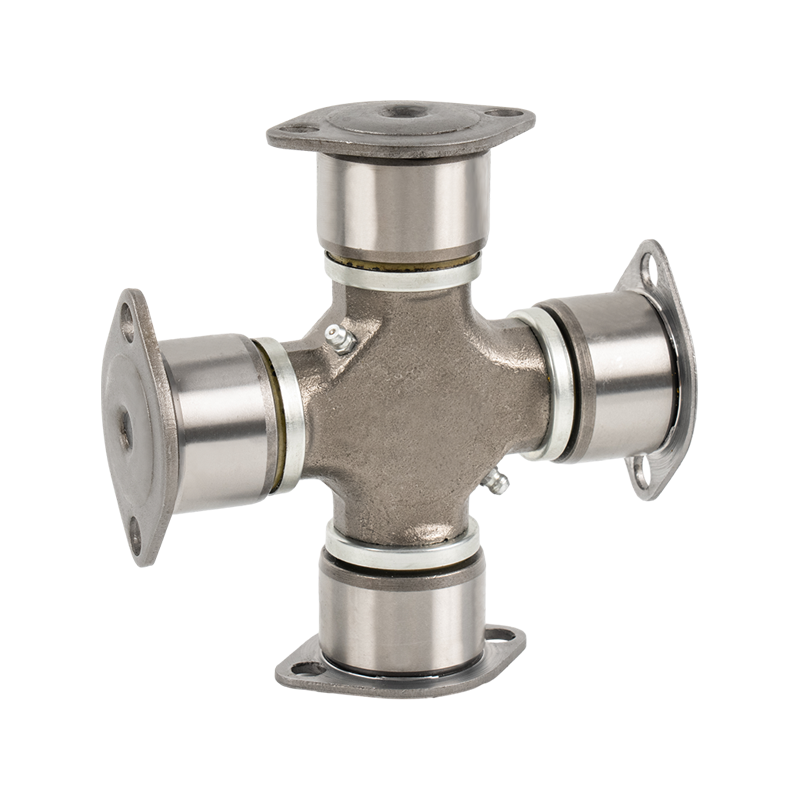 China 4 Welded Plate Type Round Bearings U-Joint Suppliers, Manufacturers - ZhejAs China 4 Welded Plate Type Round Bearings U-Joint manufacturers and 4 Welded Plate Type Round Bearings U-Jointsuppliers, Zhejiang Weiga...View Product →
How It Compares with Other Bearing Configurations
The welded plate design is one of several ways to retain a U-joint bearing cap. Each method was developed for a specific production and service context. The table below lays out the main differences.
| Bearing configuration | Retention method | Typical applications |
|---|---|---|
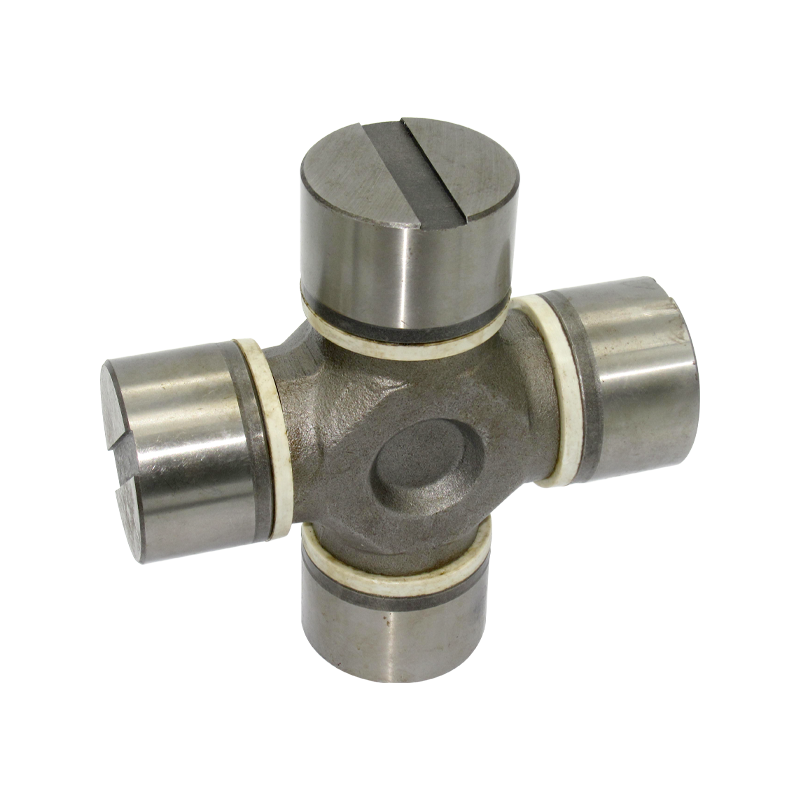
| 4 plain round bearings | Cups pressed into full-round bores, held by snap rings or plastic retainers | Truck drive shafts, steering shafts |
| 4 grooved round bearings | Circlip seated in a groove on the cap | Heavy trucks, construction equipment |
| 4 wing bearings | Wings on the cap bolted to the yoke | Agricultural PTO shafts, industrial drivelines |
| 4 welded plate type round bearings | Plate welded to the yoke, permanent assembly | PTO shafts, agricultural machinery, industrial transmissions |
| 2 welded plate + 2 plain round bearings | Welded plate at one yoke, pressed cap with snap ring at the other | Mixed driveline assemblies |
For an agricultural PTO application, the welded plate design is attractive because it does not rely on the precision of a staking tool or the position of a snap-ring groove. The weld replaces all of those parts with a direct steel connection. The trade-off is that the joint is effectively permanent; you cannot simply press a welded cap out with a standard puller.
Some drivelines use a mixed layout, with a welded plate at one end and a conventional pressed cap at the other. In that situation, the correct replacement is a U-joint with 2 welded plate and 2 plain round bearings, not an all-welded cross.
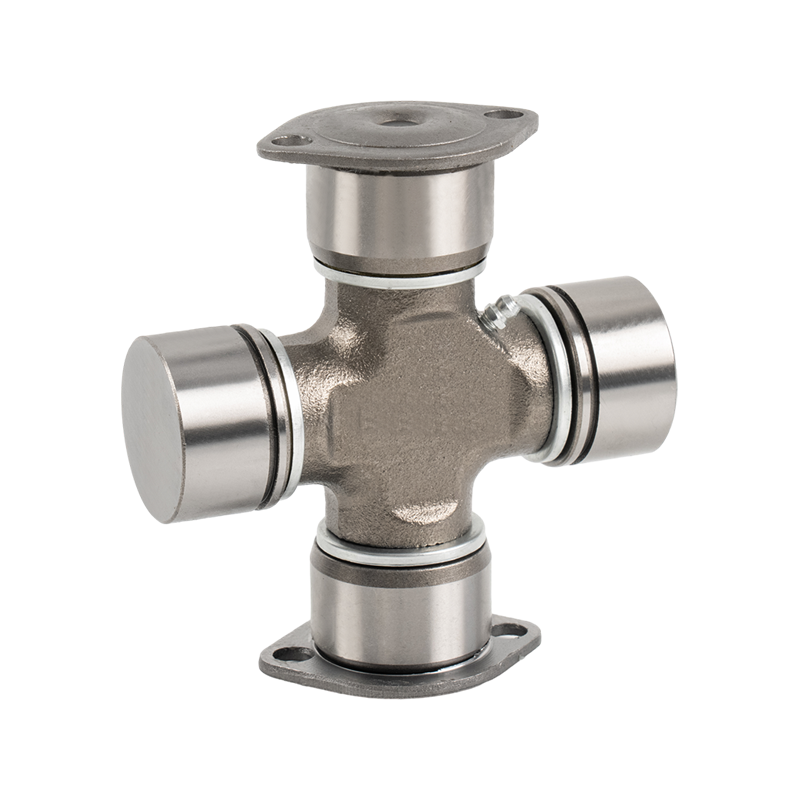 China U-JOINT WITH 2 WELDER PLATE TYPE AND 2 PLAIN ROUND BEARINGS Suppliers, MaAs China U-JOINT WITH 2 WELDER PLATE TYPE AND 2 PLAIN ROUND BEARINGS manufacturers and U-JOINT WITH 2 WELDER PLATE TYPE AND 2 PLAIN ROUN...View Product →
Where Is This U-Joint Most Often Used?
The welded plate round bearing joint is most frequently found in PTO shafts and agricultural drivelines. A PTO shaft has to carry torque from the tractor to a mower, baler, auger, or pump while the shaft angle changes as the implement moves over uneven ground. That combination of high torque and changing angle creates cyclic loads on the bearing caps. A welded plate distributes the load over a wide contact area and leaves no room for the cap to loosen over time.
If you want to see how this bearing style fits into the larger driveline picture, browse the PTO series pages for the equipment and attachment formats used on tractors and implements. The same joint also appears in industrial transmission shafts and in some heavy truck driveshaft designs where the manufacturer wants a maintenance-free, permanent assembly.
Welded plate crosses also belong to the broader agricultural machinery U-joint family, where the priority is reliable torque transfer in dusty, wet, and high-load working conditions.
Why Choose a Welded Plate Design?
The two main reasons for choosing a welded plate type round bearing are longevity and strength. A welded cap cannot gradually work itself out of the yoke because the plate is fused to the yoke metal. This eliminates the most common failure mode of retained caps, which is progressive loosening followed by cap rotation and damage to the trunnion surface.
The plain round cup also hosts a full complement of needle rollers around the trunnion. Unlike a grooved cap, which must be positioned so that a circlip aligns with a matching groove, the round cup sits uniformly in its bore and spreads the load across the entire circumference. That improves both load capacity and fatigue life.
There is a production advantage as well. Welding a plate to a yoke is quicker and easier to control than staking four separate caps, especially on a high-volume PTO shaft line. That is why this configuration tends to appear on shafts that are assembled once and expected to run for a long service life without disassembly.
How to Measure a Welded Plate U-Joint before Ordering
Measuring a welded plate U-joint follows the same basic logic as any cross, with one extra step: the plate covers the back of the cap, so the overall width includes the plate thickness. The three critical dimensions are the following.
- Bearing cap diameter: the outside diameter of the round cup that fits into the yoke bore.
- Across the cross: the distance from the center of one cap to the center of the opposite cap, measured in both directions.
- Overall width: the distance from the outside face of one plate to the outside face of the opposite plate, including both plates.
If the shaft is still on the machine, take these measurements with a caliper before cutting the welds. Pay attention to the yoke bore as well. A worn or oval bore will not hold a new cross correctly, and no amount of weld will fix that misalignment. When you contact a supplier, the cap diameter, across-cross dimension, and overall width are normally enough to identify the exact cross.
Material and Quality Considerations
Not every welded plate cross is manufactured to the same standard. Start with the cross itself: the alloy steel should be hardened and ground on the trunnion surfaces so the needle rollers run against a smooth, durable surface. A soft cross will wear quickly even if the bearing caps are perfectly welded.
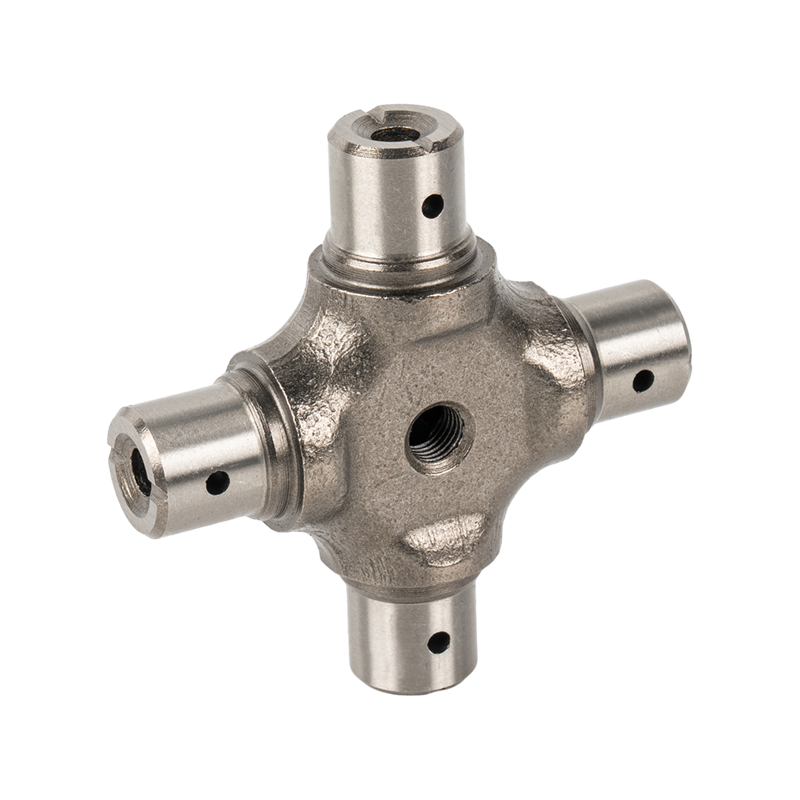
Check the welding quality of the plates. A weak or partial weld will crack under torque pulsations, and once the plate fails, the bearing cap gets pushed out of the yoke. Look for uniform weld beads and clean contact between the plate and yoke. On the lubrication side, confirm that the grease channel through the cross is clean and that grease can reach all four bearings. Many welded plate crosses carry an identification number stamped on one trunnion face; record that number before installation so you can cross-reference it later.
Replacement and Maintenance Notes
Because the welded plate joint is permanent, replacement begins with cutting the welds. Use an angle grinder to sever the plate weld on each cap, then press the cap out of the yoke. Clean the yoke bores carefully and inspect them for ovality or weld spatter. After the new cross is installed, pack the joint with grease and rotate it through the full working angle until fresh grease appears at all four bearing seats. Do this before mounting the shaft on the implement, not after installation.
When you compare alternatives, remember that a welded plate joint is not meant to be serviced in the field. If your application requires regular driveline maintenance, a snap-ring or wing-bearing cross may be a more practical choice. If you want a permanent, high-strength connection for a PTO or industrial shaft, this design is the one that matches that requirement.
This type of U-joint is not the most visible part of a driveline, but it is the one that transfers every Newton-meter of torque between tractor and implement. Select the right bearing diameter, check the across-cross and overall width, and verify the weld quality before install. Do that, and the joint will run quietly for thousands of hours, which is exactly what a driveline component should do.