

 Language
 中文简体
中文简体
Bad U-Joint Symptoms: Signs You Shouldn't Ignore
Content
- 1 What Is a U-Joint and Why Does It Fail?
- 2 The Most Common Symptoms of a Bad U-Joint
- 3 U-Joint Symptom Comparison Table
- 4 How to Confirm a Bad U-Joint: The Hand Test
- 5 Symptoms That Can Mimic a Bad U-Joint
- 6 What Happens If You Ignore a Bad U-Joint?
- 7 U-Joint Replacement Cost and What to Expect
- 8 How to Extend U-Joint Life
A bad u-joint (universal joint) most commonly announces itself with a clunking or metallic banging noise when shifting gears or accelerating from a stop, followed by vibrations that grow worse with speed. If ignored, a failing u-joint can separate entirely — causing the driveshaft to drop and creating a catastrophic loss of vehicle control. Recognizing the symptoms early can save you from a repair bill that jumps from roughly $150–$400 for a u-joint replacement to $1,000+ for driveshaft and transmission damage.
What Is a U-Joint and Why Does It Fail?
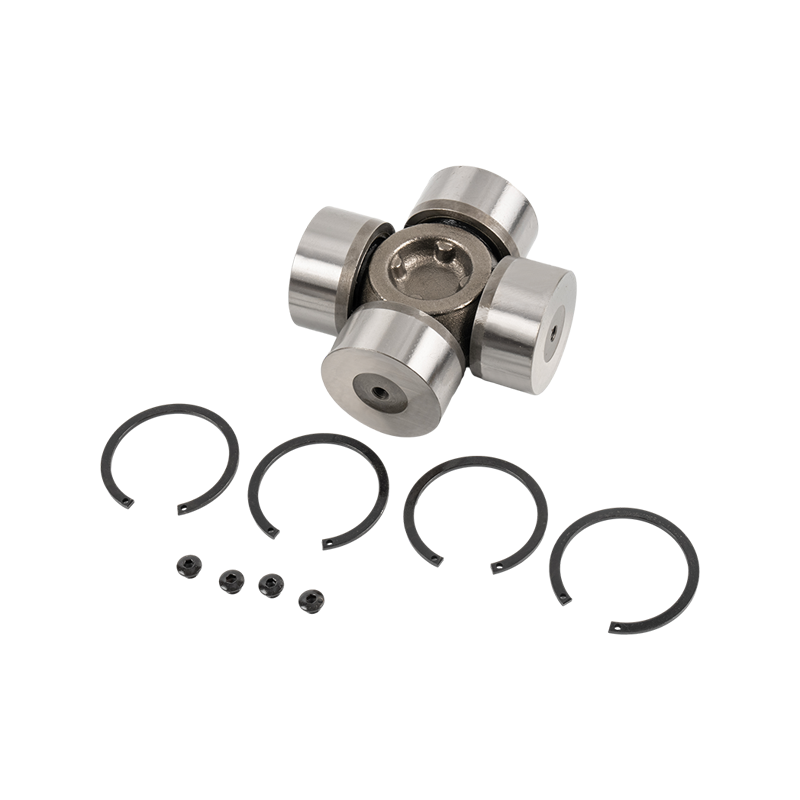
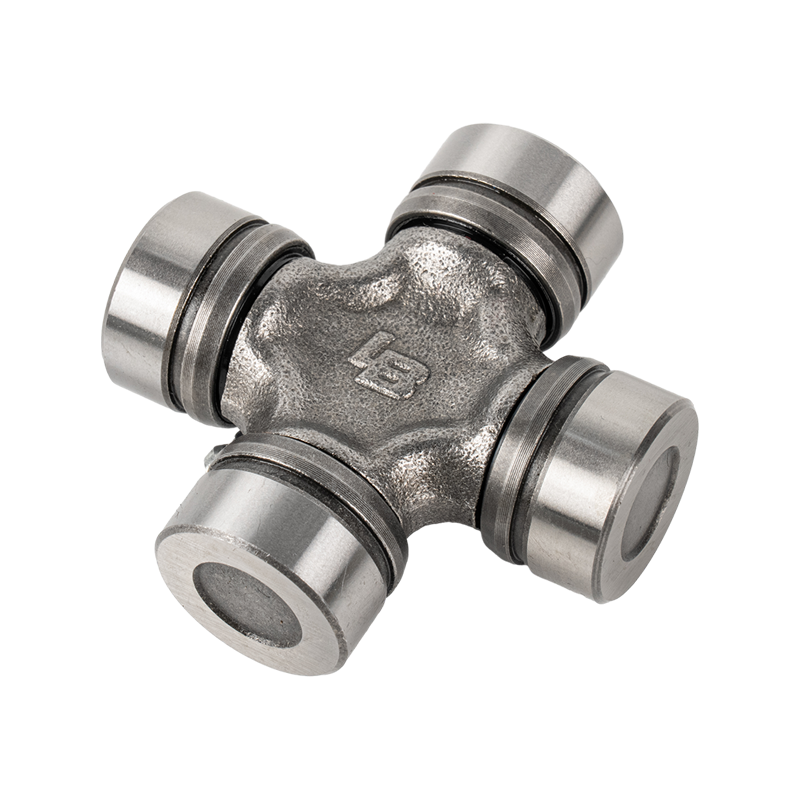
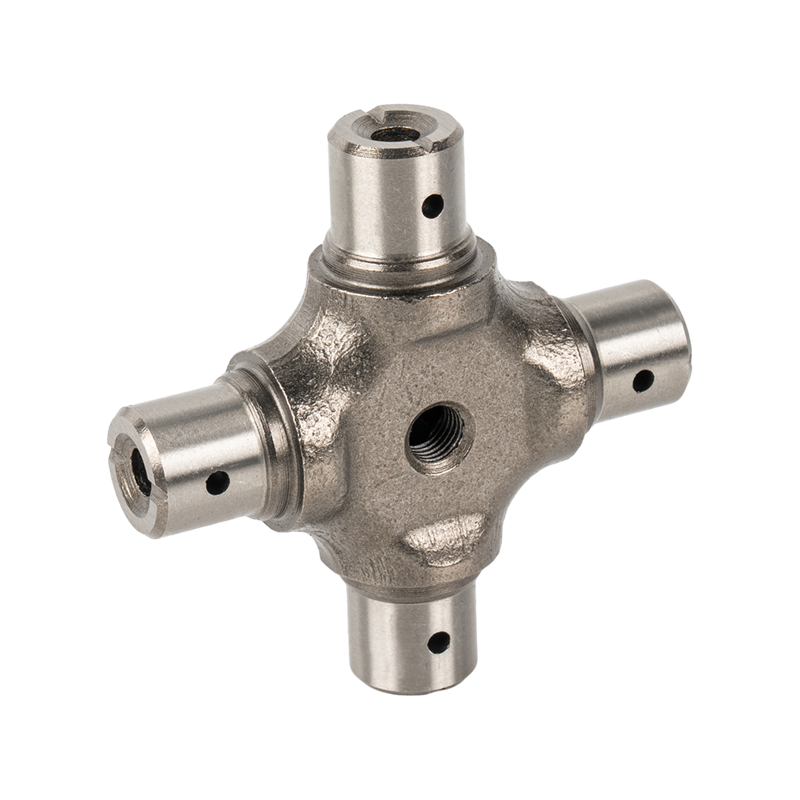
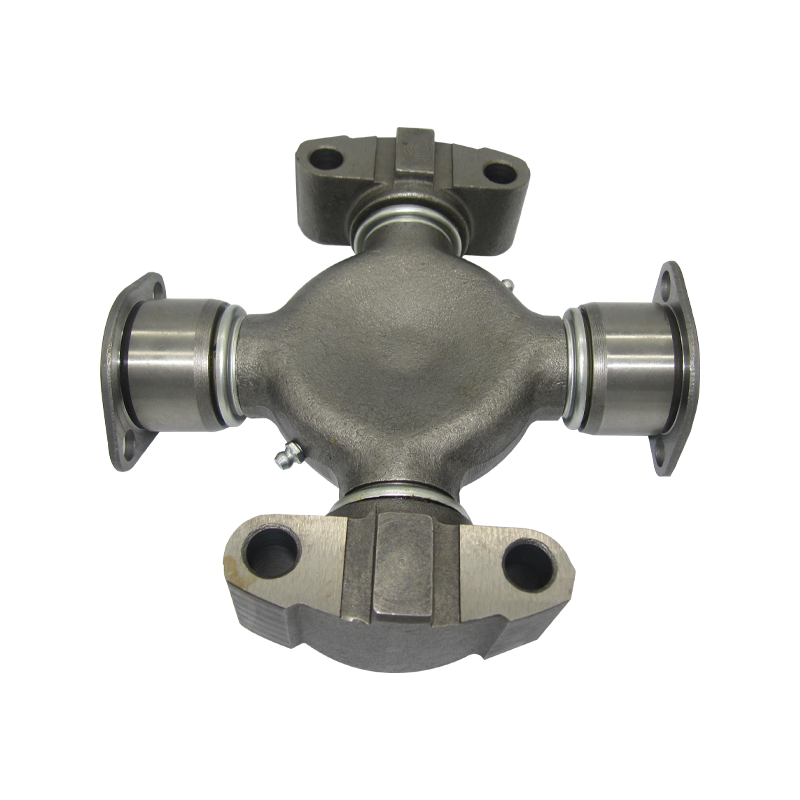
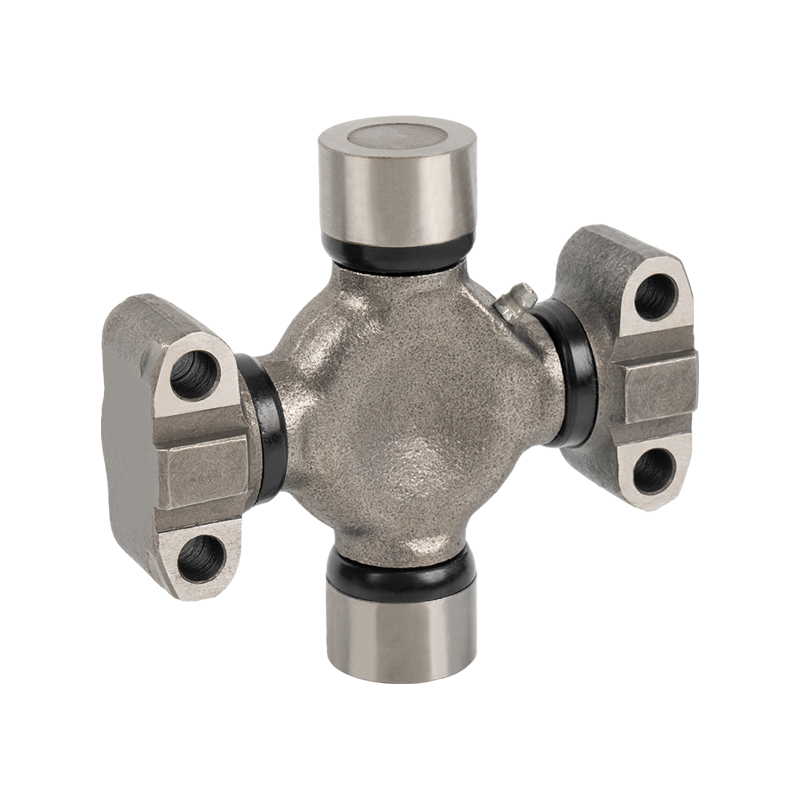
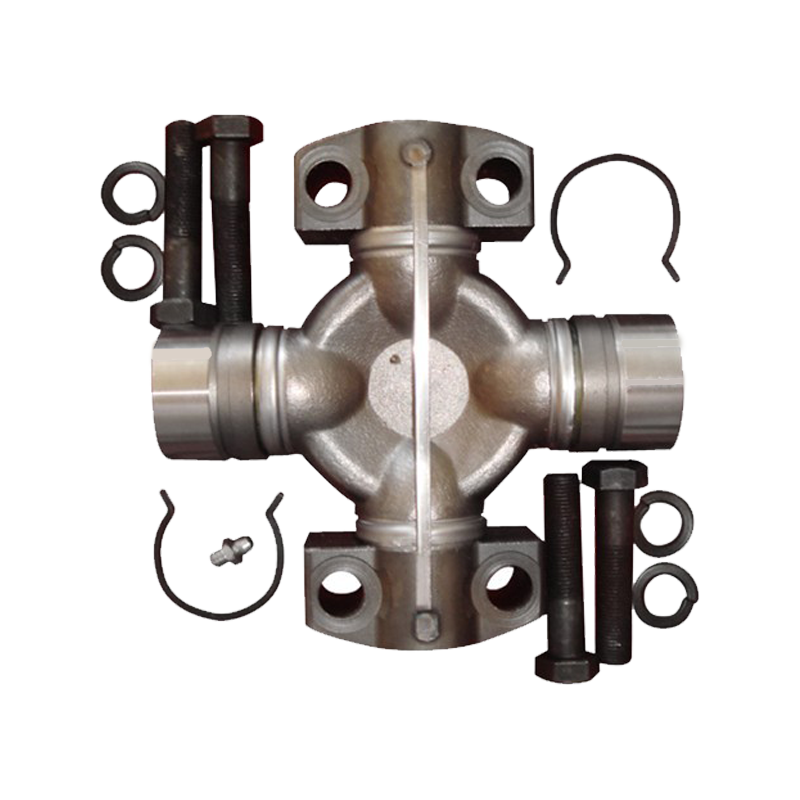
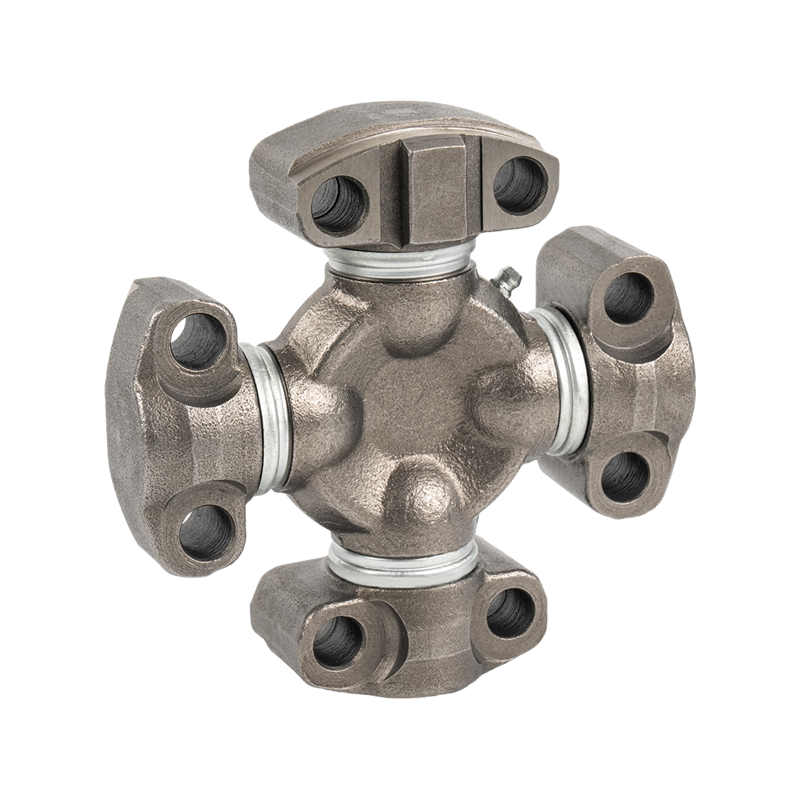
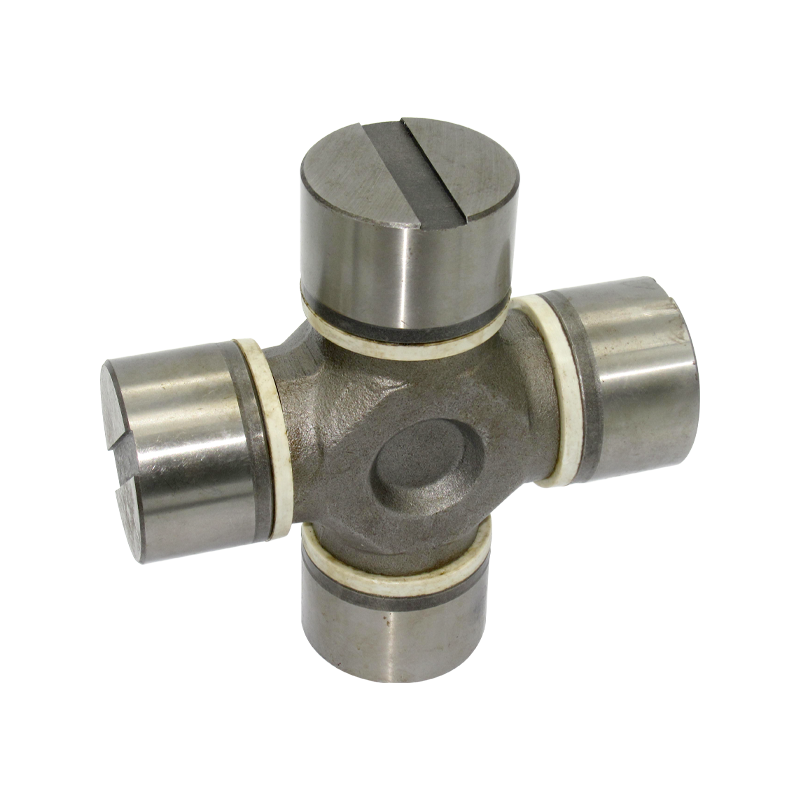
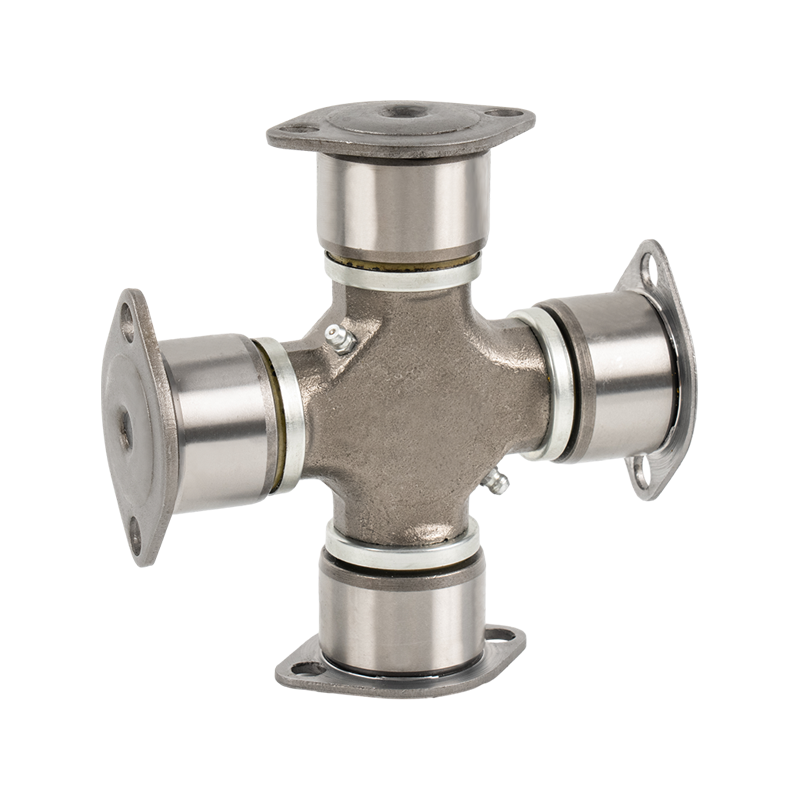
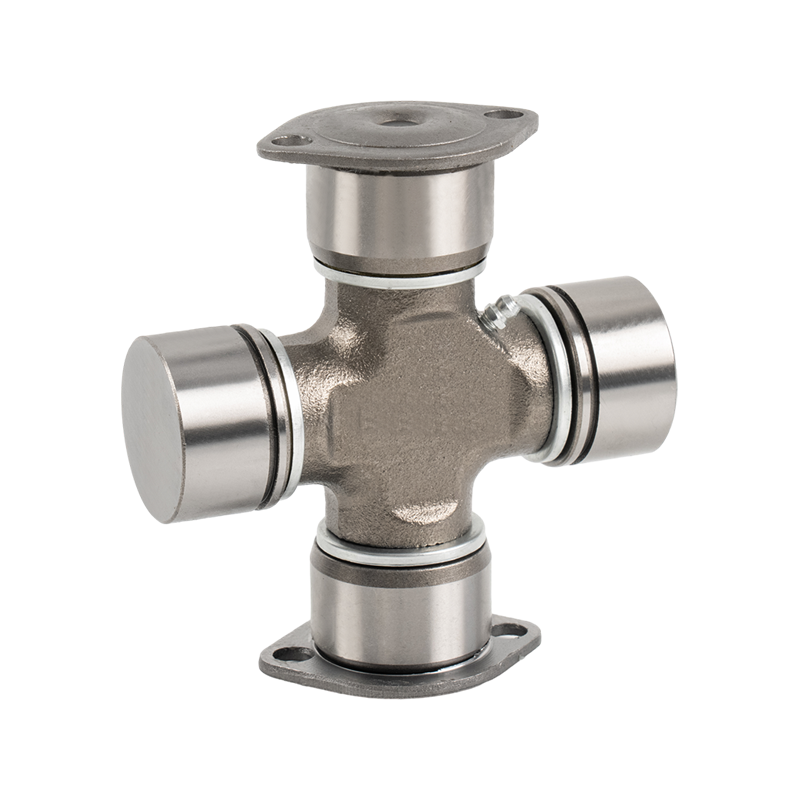
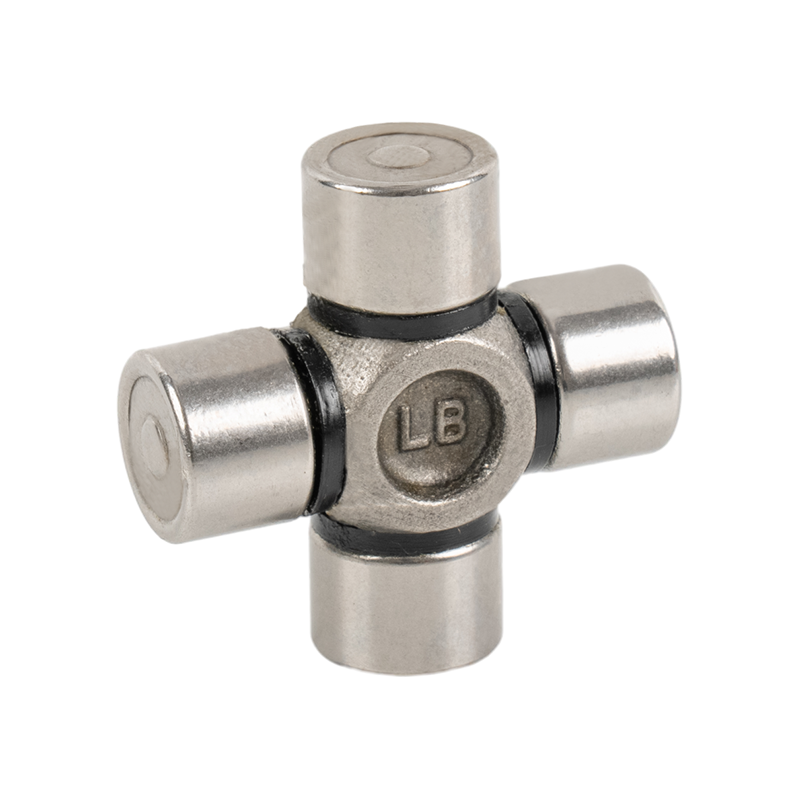
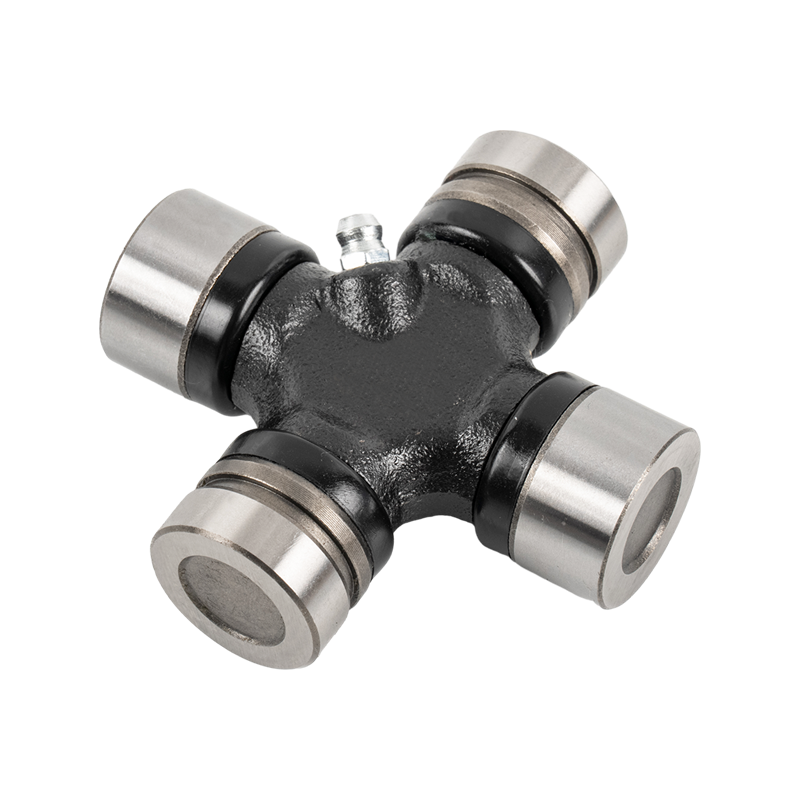
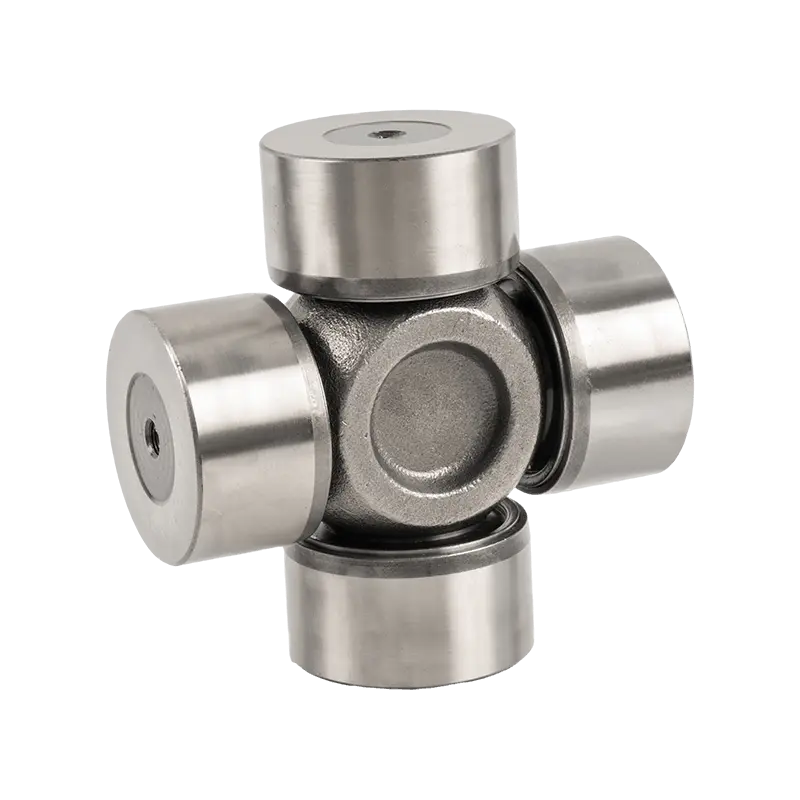
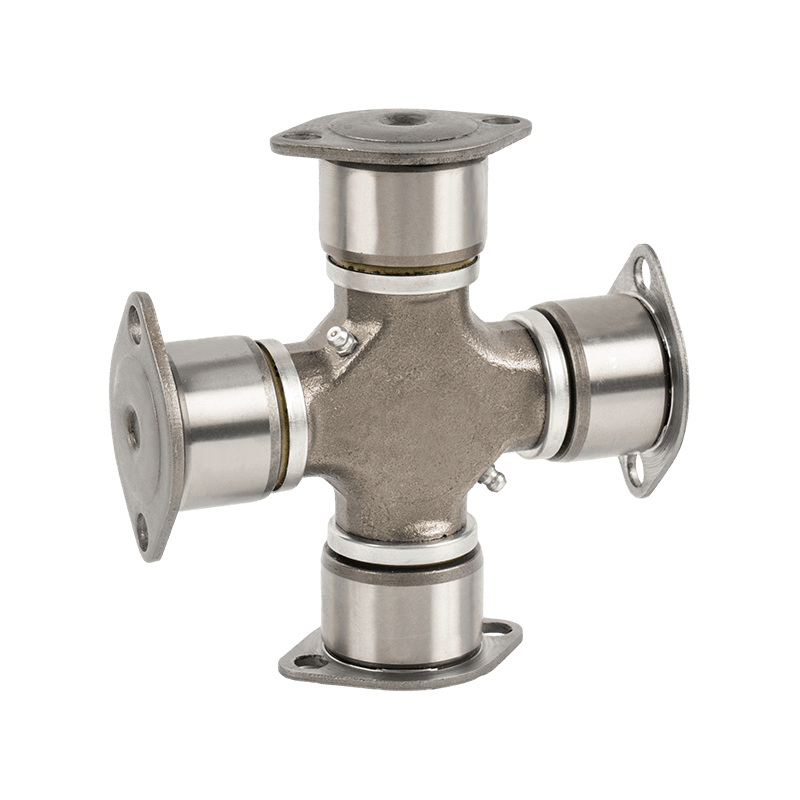
A universal joint is a flexible coupling in the driveshaft that allows power to transfer from the transmission to the rear axle (or front axle on AWD/4WD vehicles) even as the suspension moves up and down. Most vehicles have two or more u-joints per driveshaft.
U-joints fail primarily because of:
- Lack of lubrication — most modern u-joints are sealed and non-greaseable; once the grease breaks down, wear accelerates rapidly.
- Age and high mileage — u-joints on vehicles past 100,000 miles are statistically at elevated risk.
- Off-road or towing stress — extreme angles and heavy loads accelerate bearing wear.
- Water and debris intrusion — common in trucks and 4WD vehicles that regularly encounter mud or water crossings.
The Most Common Symptoms of a Bad U-Joint
1. Clunking or Banging Noise During Gear Changes
The single most reported symptom is a sharp clunk or thud felt and heard when you shift from Park to Drive, or from Drive to Reverse. This happens because the worn u-joint has excessive play (measured in degrees of rotational slop). When torque direction reverses, the slack in the joint snaps closed, producing the knock. Even 2–3 degrees of excessive play can generate a noticeable clunk.
2. Vibration That Increases With Vehicle Speed
A failing u-joint disrupts the smooth rotation of the driveshaft, creating an imbalance. The result is a vibration — sometimes described as a "shudder" or "rumble" — that typically starts around 45–55 mph and intensifies as speed increases. Unlike a tire balance issue (which often peaks at a specific speed then fades), a u-joint vibration tends to worsen continuously with higher speeds.
3. Squeaking Noise at Low Speeds
A high-pitched squeak or chirping sound — particularly noticeable while driving slowly in a parking lot or neighborhood — is an early warning sign. This is caused by the dry, worn needle bearings inside the u-joint cap grinding against the trunnion. The squeak may temporarily disappear after rain (brief lubrication effect) only to return once the moisture dries.
4. Transmission Fluid Leak at the Rear of the Tailshaft
As a rear u-joint wears, its excessive vibration can damage the transmission's output shaft seal, causing transmission fluid to leak from the rear of the tailshaft housing. If you notice a reddish fluid puddle near the center-rear of your vehicle, inspect the u-joint alongside the seal. Replacing the seal without addressing the u-joint will simply result in a repeated leak.
5. Visible Rust or Worn Caps on the U-Joint
A physical inspection under the vehicle can reveal a bad u-joint even before obvious symptoms develop. Signs to look for include heavy surface rust, a missing or cracked snap ring, a loose or wobbly joint when gripped and twisted by hand, or rust-colored grease (iron oxide mixed with old lubricant) leaking from the bearing caps.
6. Vehicle Shudder During Acceleration
Different from a constant vibration, a shudder or lurch felt specifically during hard acceleration — when the drivetrain experiences peak torque — points strongly to a u-joint problem. The worn joint struggles to maintain consistent rotational speed under load, which translates to an irregular power delivery felt through the seat and floor.
U-Joint Symptom Comparison Table
| Symptom | When It Occurs | Severity | Action Required |
|---|---|---|---|
| Clunking when shifting | Gear changes (P→D, D→R) | High | Inspect and replace soon |
| Speed-dependent vibration | 45–55+ mph, worsens with speed | High | Inspect and replace soon |
| Squeaking at low speed | Slow driving, parking lots | Medium (early warning) | Schedule inspection |
| Transmission fluid leak | Parked or after driving | High | Inspect immediately |
| Shudder under acceleration | Hard throttle application | High | Inspect and replace soon |
| Visible rust / loose caps | Physical inspection | Medium–High | Replace proactively |
How to Confirm a Bad U-Joint: The Hand Test
Before spending money at a shop, you can perform a quick DIY check in about 5 minutes:
- Safely raise the vehicle and support it on jack stands with the transmission in Neutral.
- Locate the driveshaft and grip the u-joint with both hands.
- Try to rotate the driveshaft back and forth without rotating the axle yoke.
- Any rotational play or looseness in the u-joint itself — even a few millimeters — indicates a worn joint that should be replaced.
- Also push and pull axially (along the driveshaft axis). Movement here indicates cap wear.
A healthy u-joint should feel completely solid with zero play. If you feel any movement, replacement is warranted.
Symptoms That Can Mimic a Bad U-Joint
Several other drivetrain problems produce symptoms nearly identical to a bad u-joint. Correct diagnosis is critical before replacing parts:
- Worn CV joints — on front-wheel-drive or AWD vehicles, a bad CV joint produces a clicking sound during turns, not a straight-line clunk. However, a worn CV joint can also cause vibration similar to a u-joint.
- Driveshaft imbalance — a bent or out-of-balance driveshaft causes vibration that is very difficult to distinguish from a u-joint without physical inspection.
- Worn slip yoke or center support bearing — these components work alongside u-joints and can produce clunking or vibration when worn.
- Loose motor or transmission mounts — a broken mount creates a clunk during gear engagement that can be mistaken for a u-joint, especially in older vehicles.
When in doubt, the physical hand-test inspection described above will isolate the u-joint as the specific cause within minutes.
What Happens If You Ignore a Bad U-Joint?
A bad u-joint does not get better on its own — it fails progressively and suddenly. The consequences of driving with a severely worn u-joint include:
- Complete driveshaft separation — the driveshaft can drop to the ground at highway speed, potentially spearing the pavement or vehicle floor.
- Loss of drive — the vehicle becomes immediately immobile.
- Damage to the transmission output seal and rear differential yoke, turning a $200 part replacement into a $1,500+ repair.
- Potential crash risk — sudden loss of drive power or a driveshaft striking the ground can cause the driver to lose control of the vehicle.
Most mechanics classify a u-joint showing clear wear as a safety-critical repair — not a "monitor it" situation. If the hand-test or symptoms confirm a bad u-joint, schedule replacement promptly.
U-Joint Replacement Cost and What to Expect
U-joint replacement is a manageable repair when caught in time. Here is what typical costs look like:
| Vehicle Type | Parts Cost | Labor Cost | Total Estimate |
|---|---|---|---|
| Passenger car / sedan | $20–$80 | $100–$200 | $120–$280 |
| Truck / SUV (RWD/4WD) | $30–$120 | $150–$300 | $180–$420 |
| Heavy-duty truck | $80–$200 | $200–$400 | $280–$600 |
Mechanics typically recommend replacing all u-joints on the same driveshaft at the same time — since they experience the same service life — to avoid a return visit within months. The incremental parts cost of replacing both is usually under $50 extra.
How to Extend U-Joint Life
On vehicles with greaseable (Spicer-style) u-joints — common on older trucks — regular greasing every 5,000 miles or at every oil change dramatically extends joint life. Use a grease gun with the manufacturer-specified grease (usually NLGI #2 lithium-complex or moly grease for driveshaft applications).
For sealed, non-greaseable u-joints found in most modern vehicles, life extension comes down to:
- Avoiding sustained off-road water crossings that submerge the driveshaft.
- Not exceeding the vehicle's rated towing capacity, which places extreme angular stress on u-joints.
- Scheduling a driveshaft inspection at or before 100,000 miles, especially on trucks used for towing or off-road driving.