

 Language
 中文简体
中文简体
How Long Do U-Joints Last? Lifespan, Signs & Replacement
Content
- 1 What Is a U-Joint and What Does It Do?
- 2 U-Joint Lifespan by Vehicle Type and Use
- 3 Factors That Shorten U-Joint Life
- 4 Warning Signs That Your U-Joints Are Failing
- 5 How to Check U-Joints for Wear
- 6 Greaseable vs. Sealed U-Joints: Which Lasts Longer?
- 7 U-Joint Replacement Cost and What to Expect
- 8 How to Make U-Joints Last as Long as Possible
U-joints typically last between 75,000 and 100,000 miles under normal driving conditions, but this range varies widely depending on vehicle type, driving habits, lubrication, and operating environment. On well-maintained passenger vehicles driven primarily on paved roads, a U-joint can last the life of the vehicle. On trucks, off-road vehicles, or those used for towing, U-joints may need replacement as early as 40,000–60,000 miles. Understanding what shortens U-joint life—and recognizing the early warning signs of failure—can prevent a minor maintenance item from turning into a dangerous roadside breakdown.
What Is a U-Joint and What Does It Do?
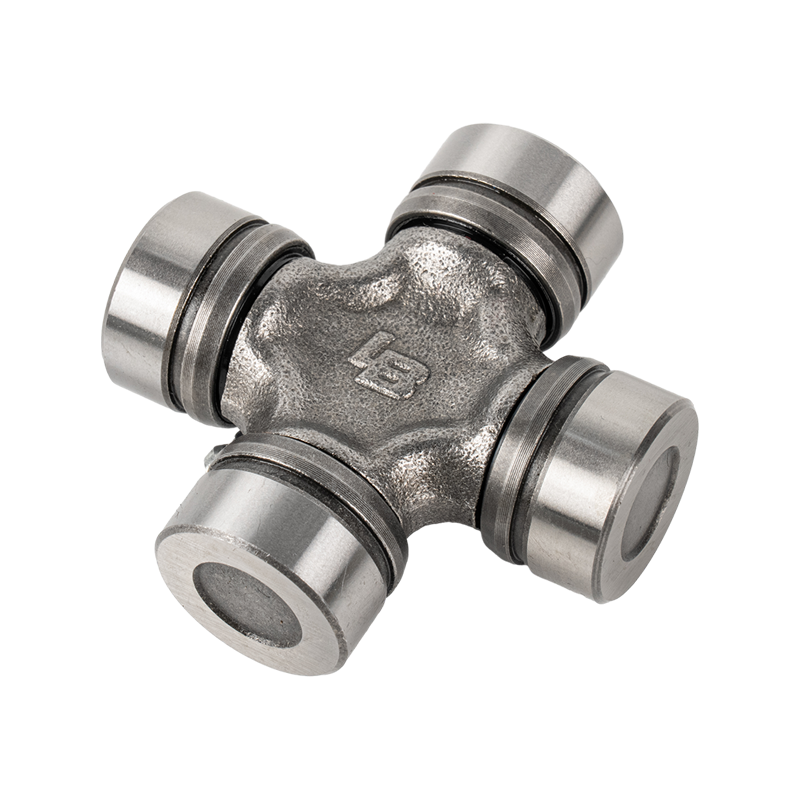
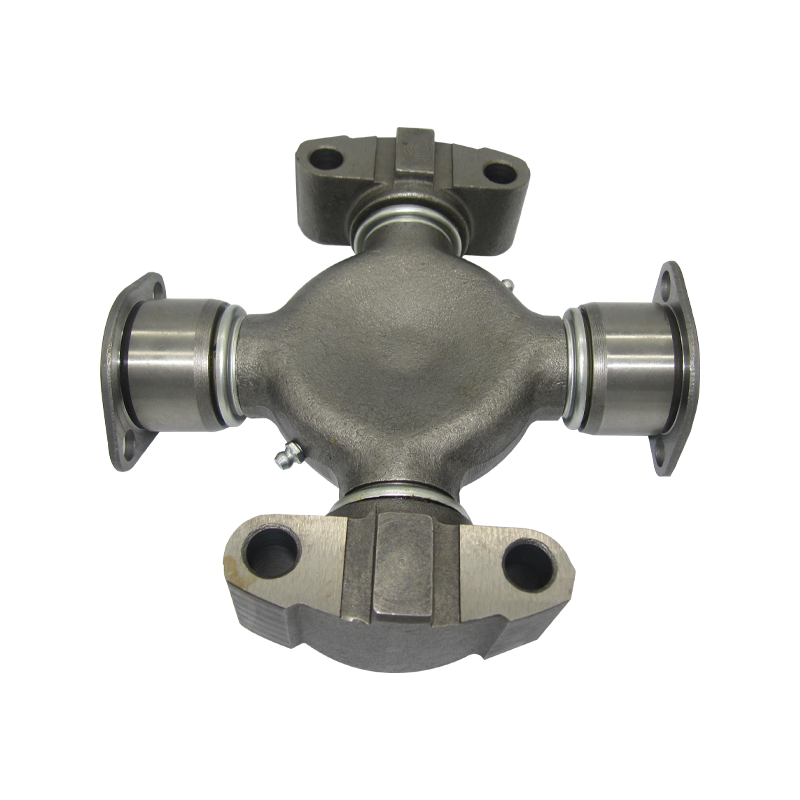
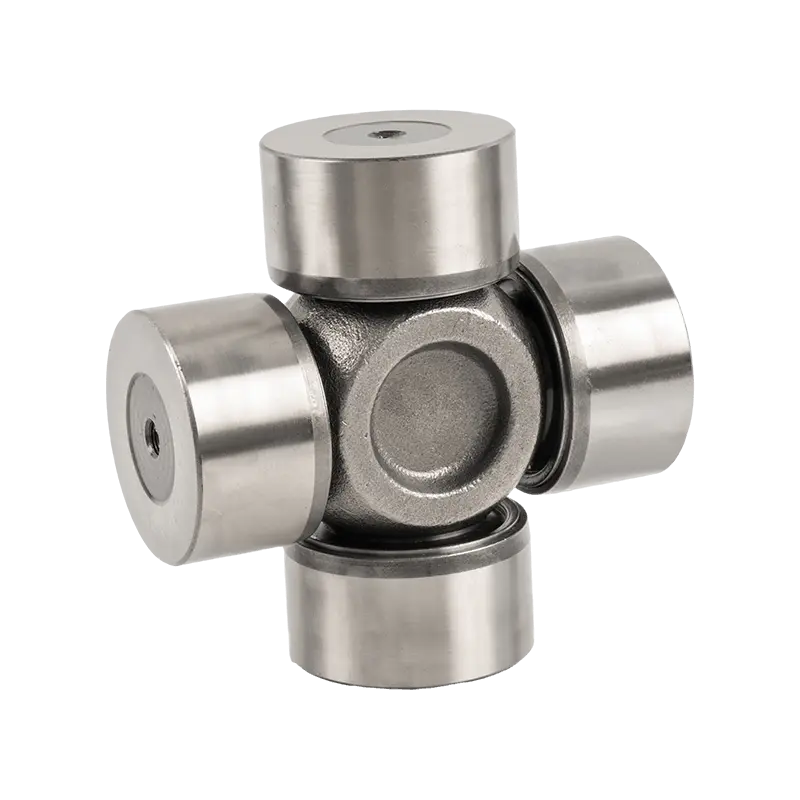
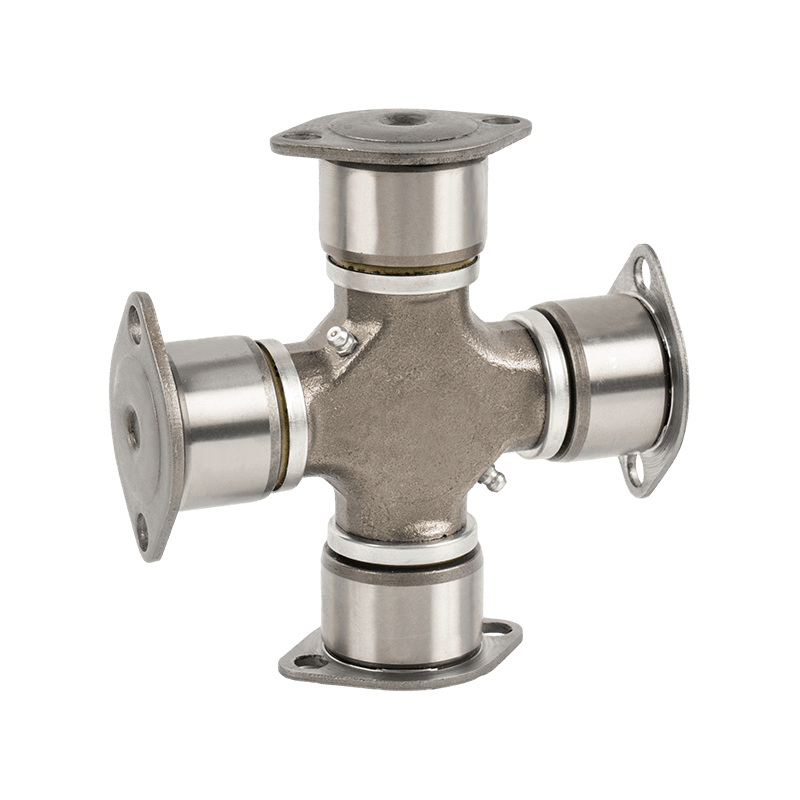
A universal joint (U-joint) is a mechanical coupling that connects segments of a driveshaft and allows the shaft to transmit rotational power at varying angles. In rear-wheel-drive and four-wheel-drive vehicles, U-joints are critical components that link the transmission output shaft to the rear axle—or, in 4WD systems, to both front and rear axles.
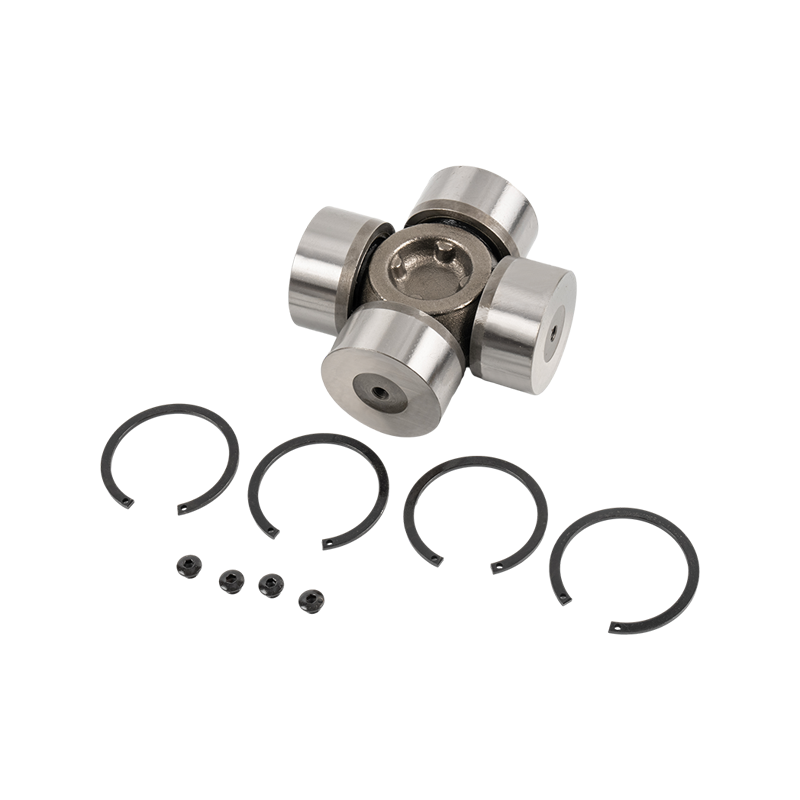
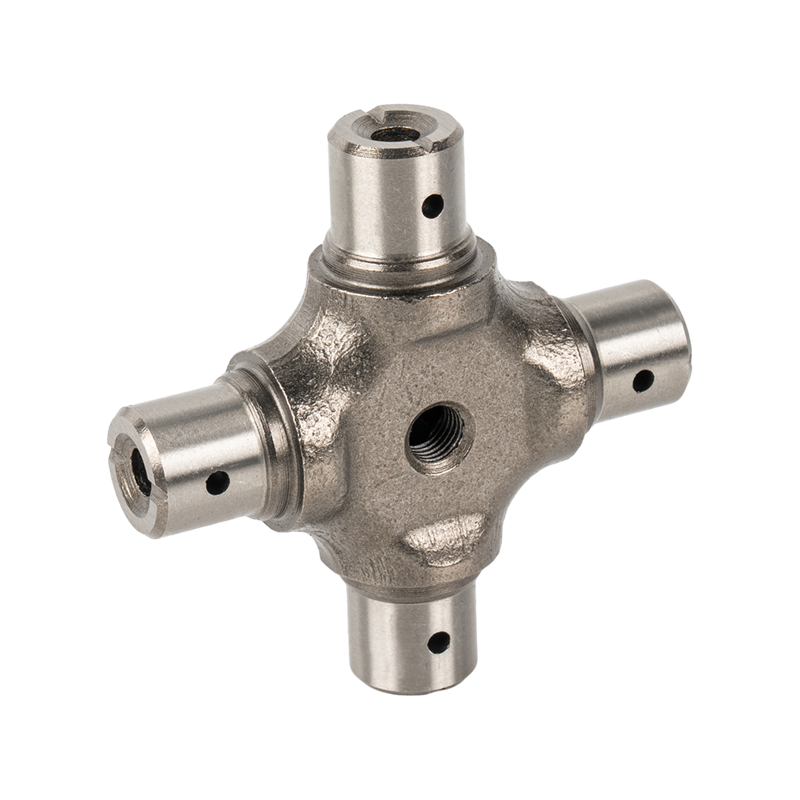
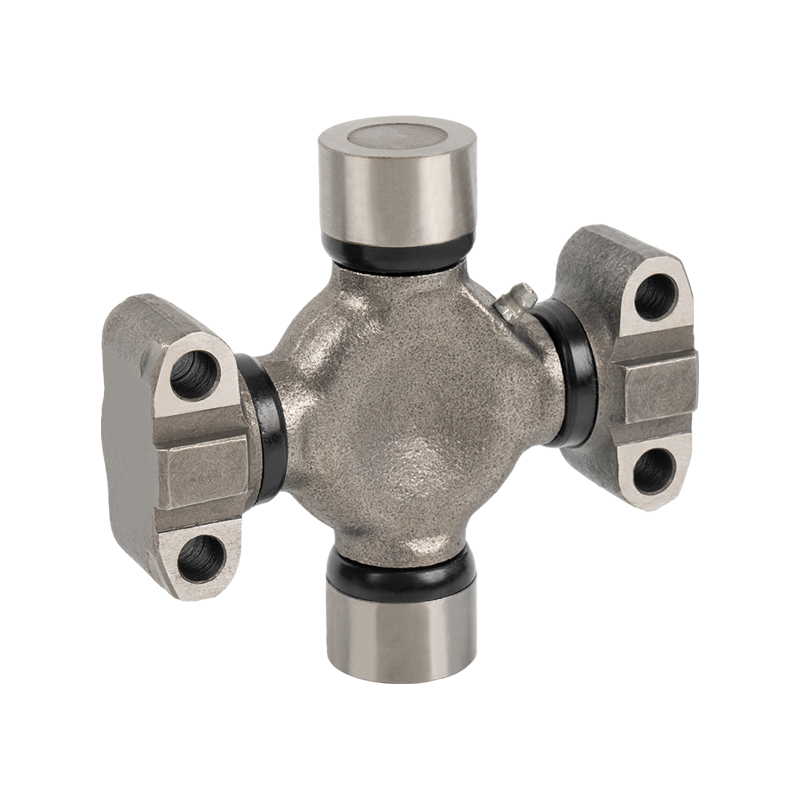
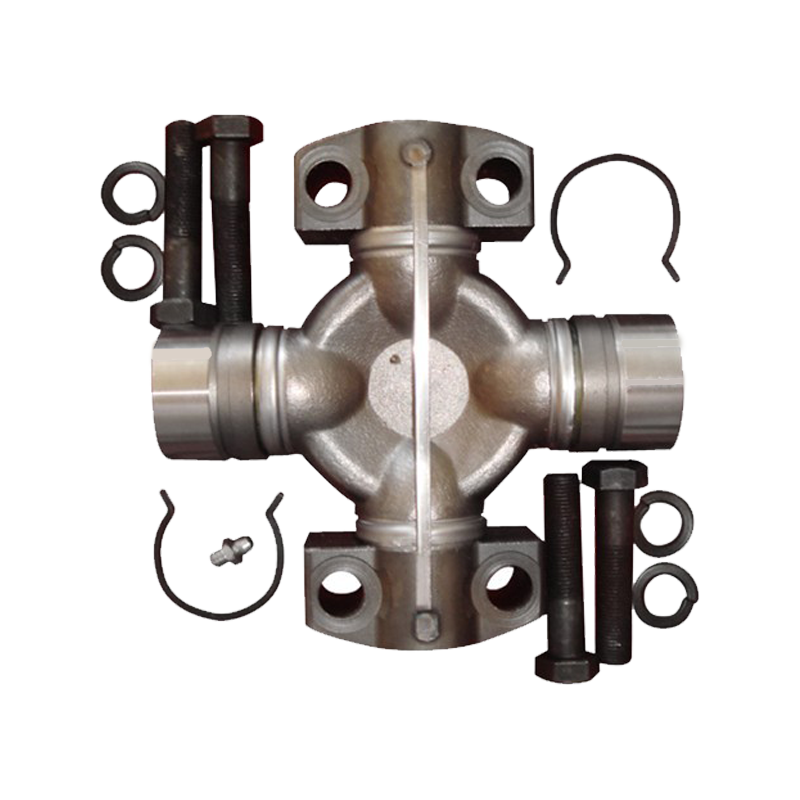
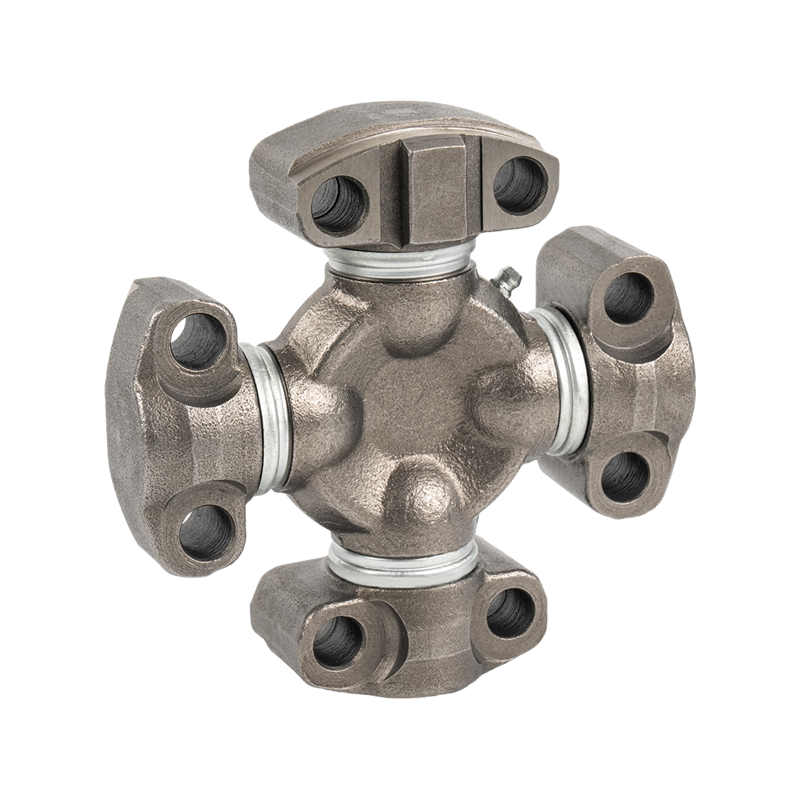
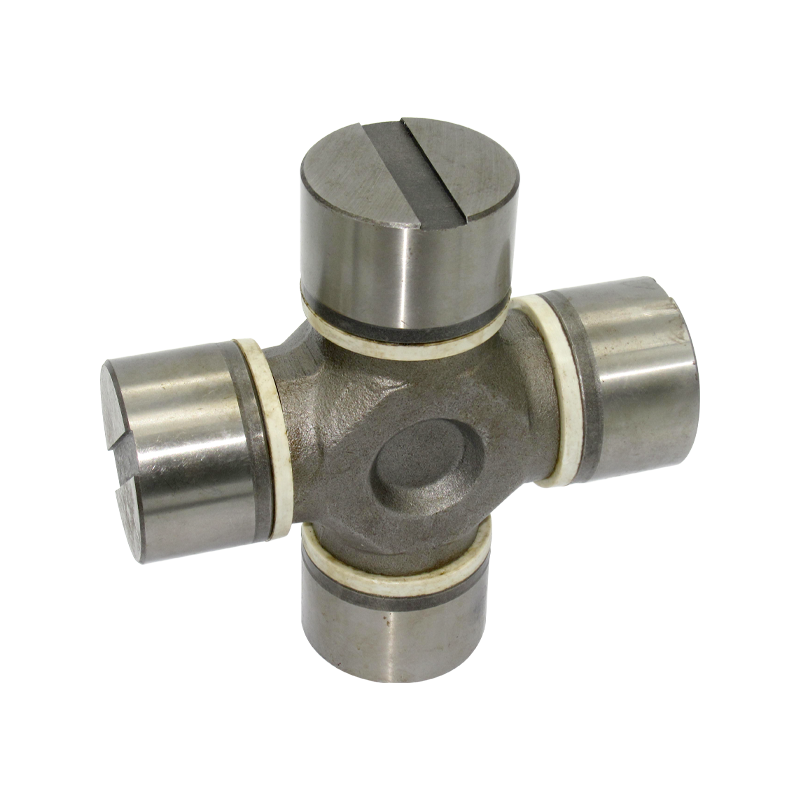
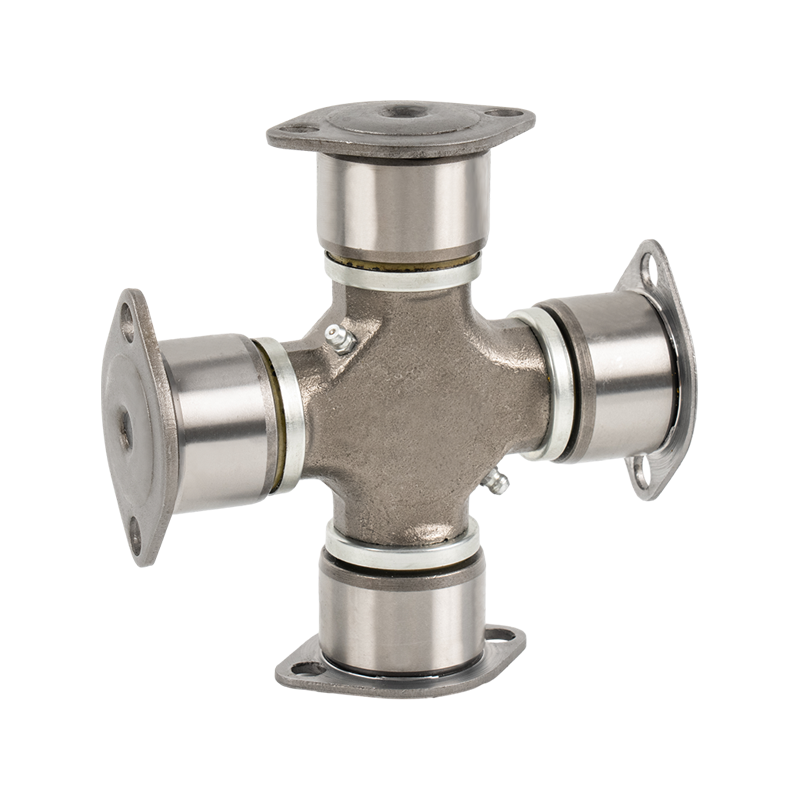
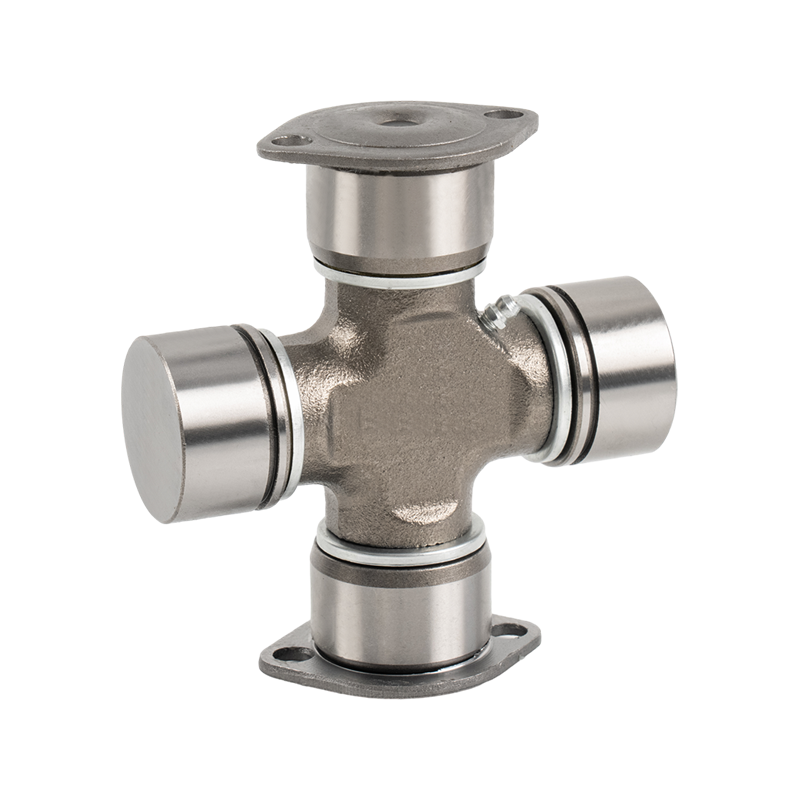
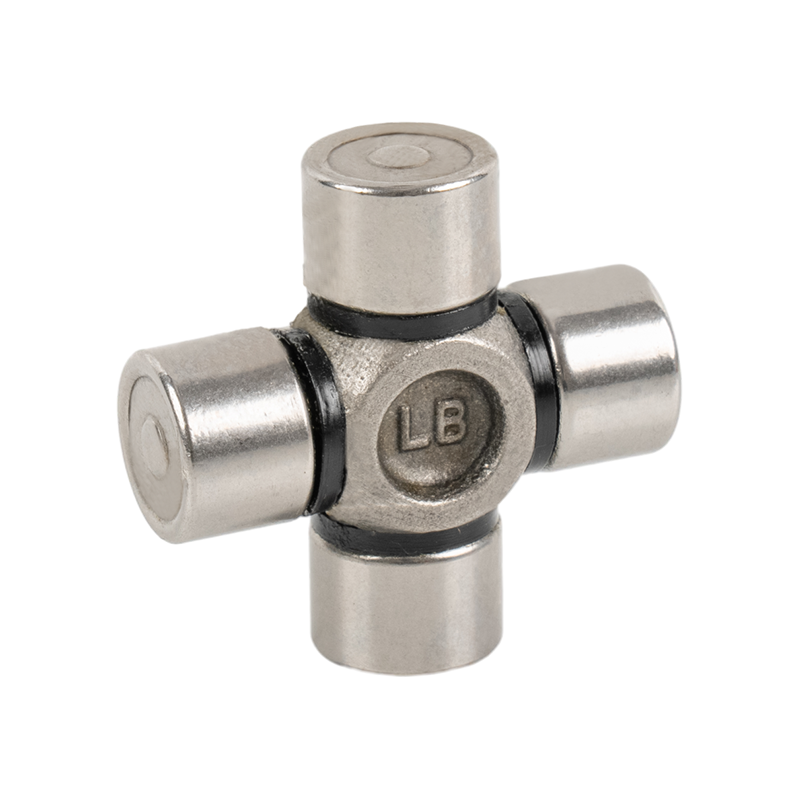
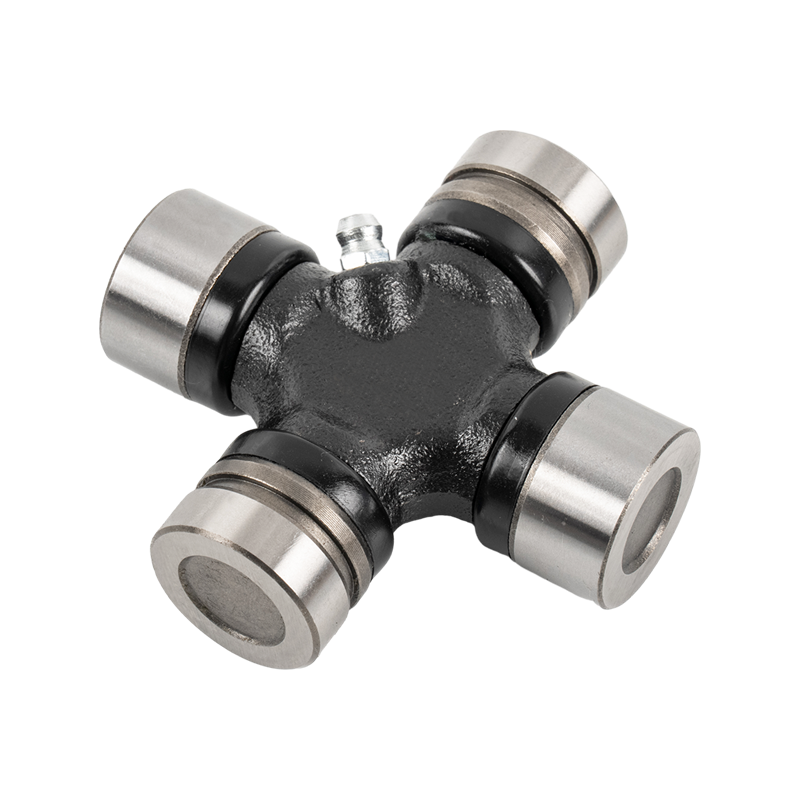
The joint consists of a cross-shaped center piece (the "spider" or "trunnion") with four bearing caps filled with needle bearings, all held together by snap rings or bearing straps. As the driveshaft rotates at speed, these needle bearings absorb the angular load. Over time, heat, friction, and contamination wear those bearings down—eventually causing the joint to fail.
U-Joint Lifespan by Vehicle Type and Use
There is no single lifespan that applies to all U-joints. The table below provides realistic mileage expectations based on vehicle type and usage pattern:
| Vehicle / Use Case | Typical U-Joint Lifespan | Key Factors |
|---|---|---|
| Passenger car, highway driving | 100,000–150,000+ miles | Low stress, smooth roads, consistent speed |
| Light truck, mixed use | 75,000–100,000 miles | Moderate load, occasional rough roads |
| Truck used for towing/hauling | 50,000–80,000 miles | High torque load, drivetrain stress |
| Off-road / 4WD vehicle | 40,000–70,000 miles | Extreme angles, mud, water, dirt contamination |
| Commercial / fleet vehicle | 50,000–90,000 miles | High mileage accumulation, load cycles |
| Performance / modified vehicle | Varies widely (30,000–80,000 miles) | High torque output, aggressive acceleration |
These are estimates based on typical maintenance schedules. Greaseable U-joints that are serviced regularly can often exceed these ranges, while sealed (non-greaseable) U-joints left in harsh environments may fail well short of them.
Factors That Shorten U-Joint Life
Several variables have a direct and measurable impact on how long a U-joint lasts. Addressing these proactively is the most reliable way to extend service life.
Lack of Lubrication
This is the leading cause of premature U-joint failure. Greaseable U-joints require lubrication with NLGI Grade 2 chassis grease at every oil change or every 5,000–7,500 miles. Without adequate grease, the needle bearings run dry, generate excess heat, and wear rapidly. A U-joint deprived of grease can fail in as little as 10,000–15,000 miles, even on a new vehicle. Sealed U-joints cannot be greased and rely entirely on their factory lubricant, which degrades over time—especially when water and contaminants enter through a cracked boot or worn seal.
Operating Angle
U-joints are designed to operate efficiently at angles of 1 to 3 degrees under normal conditions, with a maximum continuous operating angle of around 15–18 degrees depending on the design. Lifted trucks with steep driveshaft angles, or vehicles with incorrectly set pinion angles, place the U-joint under constant stress at the extreme of its range. Every additional degree of operating angle beyond the design specification reduces bearing life proportionally.
Towing and High-Torque Loads
Each time a vehicle accelerates hard from a stop—especially under load—the driveshaft transmits a torque spike through the U-joints. Regular towing, frequent hard acceleration, or pulling heavy loads dramatically increase cumulative stress on the bearing caps and needle bearings. A truck that tows 10,000 lbs regularly will wear its U-joints significantly faster than the same truck driven empty.
Contamination from Mud, Water, and Salt
Off-road driving, road salt exposure in winter climates, and water crossings push abrasive contaminants into U-joint bearing caps through worn seals. This contamination mixes with grease, creates a grinding compound inside the bearing, and accelerates wear. Vehicles driven in northern U.S. states or Canada—where road salting is heavy—often show U-joint wear 30–40% earlier than identical vehicles in dry climates.
Driveshaft Imbalance or Vibration
An out-of-balance driveshaft—caused by a missing balance weight, a bent shaft, or improper phasing of the U-joints—creates cyclical vibration loads that hammer the bearing cups thousands of times per minute. This accelerates wear in a way that is disproportionate to mileage alone.
Warning Signs That Your U-Joints Are Failing
U-joint failure rarely happens without warning. Recognizing the symptoms early allows you to replace the joint before it fails completely—which can cause the driveshaft to drop from the vehicle while moving, a dangerous and potentially catastrophic event.
- Clunking or banging noise when shifting: A loud clunk when moving from Park to Drive, or when accelerating from a stop, is one of the earliest and most reliable U-joint failure indicators. The worn joint has developed play (called "slop") in the bearing cups.
- Vibration at highway speed: A worn U-joint can cause a noticeable vibration felt through the floor, seat, or steering wheel, typically appearing or worsening at speeds above 45–55 mph. This is different from tire-related vibration, which is usually felt in the steering wheel only.
- Squeaking during low-speed movement: A high-pitched squeak or chirp that occurs at low speeds—often heard at parking lot speeds or when crawling in traffic—can indicate dry needle bearings in need of grease or already worn beyond lubrication's help.
- Metallic scraping noise: A grinding or metallic scraping sound during acceleration or deceleration suggests the needle bearings have deteriorated and the trunnion is running metal-on-metal inside the bearing cap.
- Transmission fluid leak at the rear of the transmission: A severely worn rear U-joint can move the driveshaft enough to damage the rear transmission seal, causing fluid to leak. If you see a fluid leak at the transmission tailshaft, inspect the U-joint immediately.
- Visible rust or wear at the bearing caps: During a visual inspection, U-joint bearing caps that show rust staining, moisture seeping from the seals, or any visible movement (play) when the driveshaft is twisted by hand are past their service life.
How to Check U-Joints for Wear
A basic U-joint inspection takes less than five minutes and requires no tools beyond safe vehicle lifting equipment. Check U-joints any time you are under the vehicle, or at least once per year.
- Safely lift and support the vehicle on jack stands so the driveshaft is accessible. Never work under a vehicle supported only by a floor jack.
- Grip the driveshaft close to each U-joint with both hands and attempt to twist it in opposite directions (rotational play) and push/pull it axially (end play).
- Any detectable movement at the U-joint itself—distinct from normal driveshaft movement—indicates worn bearings. There should be zero rotational play at a healthy U-joint.
- Inspect the bearing cap seals visually. Rust streaks, cracked rubber seals, or visible grease contamination around the bearing caps all indicate wear or seal failure.
- Check grease fittings (Zerk fittings) on greaseable U-joints. A fitting that accepts grease normally indicates the bearing is not yet seized; a fitting that immediately pushes grease back out under pressure suggests the bearing is packed with contamination or already failed.
Greaseable vs. Sealed U-Joints: Which Lasts Longer?
| Feature | Greaseable U-Joint | Sealed (Non-Greaseable) U-Joint |
|---|---|---|
| Lubrication | Replenishable via Zerk fitting | Factory-packed, cannot be serviced |
| Maintenance Required | Yes – every 5,000–7,500 miles | None |
| Lifespan (if maintained) | 100,000+ miles possible | 75,000–100,000 miles typical |
| Lifespan (if neglected) | Can fail in 10,000–20,000 miles | Not applicable |
| Best Application | Trucks, off-road, towing vehicles | Passenger cars, light-duty use |
| Cost | Slightly higher upfront | Lower upfront |
For trucks, tow vehicles, and any vehicle used off-road, greaseable U-joints are the superior long-term choice because their lubrication can be refreshed as conditions demand. Sealed joints are adequate for low-stress passenger car applications where the factory grease is unlikely to degrade before the vehicle is sold or the joint reaches natural end-of-life.
U-Joint Replacement Cost and What to Expect
Replacing a U-joint is a relatively affordable repair compared to the damage a failed joint can cause. Cost varies by vehicle and whether one or both joints on a driveshaft are replaced.
- Parts cost: A quality U-joint from brands like Spicer (Dana), Moog, or SKF typically costs $15–$60 per joint. Heavy-duty or OEM-spec U-joints for trucks can run $50–$120.
- Labor cost: Most shops charge $100–$250 in labor for a driveshaft U-joint replacement, depending on accessibility and whether driveshaft balancing is required after the job.
- Total typical cost: Expect to pay $150–$400 total at a shop for a single driveshaft U-joint replacement on a light truck or SUV.
- Replace both joints at once: If one U-joint on a driveshaft is worn, the other is typically close behind. Most mechanics recommend replacing both front and rear U-joints on the same driveshaft during the same service visit, as the incremental labor cost is minimal.
- DIY replacement: For mechanically inclined owners, U-joint replacement is a feasible DIY job requiring a press or a bench vise and sockets. Parts-only cost for a DIY repair is $15–$60, saving the full labor charge.
How to Make U-Joints Last as Long as Possible
Extending U-joint life comes down to consistent maintenance, proper vehicle setup, and avoiding unnecessary stress on the drivetrain.
- Grease greaseable U-joints at every oil change or every 5,000 miles—whichever comes first. Use NLGI Grade 2 chassis grease with a hand grease gun, and pump until fresh grease begins to purge from the seals.
- Correct pinion angle after a lift: If your truck has been lifted, have a driveline specialist verify and correct the pinion angle to minimize U-joint operating angle. Even a 2–3 degree correction can double U-joint service life on a lifted truck.
- Avoid aggressive launches and shock-load acceleration when towing. Smooth, progressive throttle application under load reduces torque spikes through the driveline.
- Rinse the undercarriage after off-road driving or winter road salt exposure to flush contamination away from U-joint seals before it works its way inside.
- Inspect annually as part of routine maintenance. Catching a U-joint that has developed play costs $20–$60 in parts; letting it fail completely can damage the driveshaft yoke, transmission tailshaft, or floor pan—adding hundreds of dollars to the repair bill.