

 Language
 中文简体
中文简体
How to Find the Right Industrial Equipment Cross Kit for Your Machinery
Content
- 1 What Exactly is an Industrial Equipment Cross Kit?
- 2 Step 1: Identify the Application and Environment
- 3 Step 2: Master the Measurements
- 4 Step 3: Lubrication—Sealed vs. Greasable
- 5 Step 4: The Importance of Material Quality
- 6 Step 5: Matching the Brand or Interchanging
- 7 Common Signs It's Time for a New Cross Kit
- 8 Don't Compromise on the Core
In the complex world of heavy machinery and power transmission, the strength of a system is often determined by its smallest components. Among these, the universal joint—specifically the Industrial Equipment Cross Kits that power them—plays a pivotal role. Whether you are operating a fleet of construction excavators, managing a large-scale agricultural operation, or overseeing a factory’s drive systems, ensuring you have the correct cross kit is the difference between seamless productivity and a costly, unexpected breakdown.
Identifying the right replacement part is not always as straightforward as looking up a serial number. With various standards, dimensions, and load capacities on the market, understanding how to navigate your options is essential.
What Exactly is an Industrial Equipment Cross Kit?
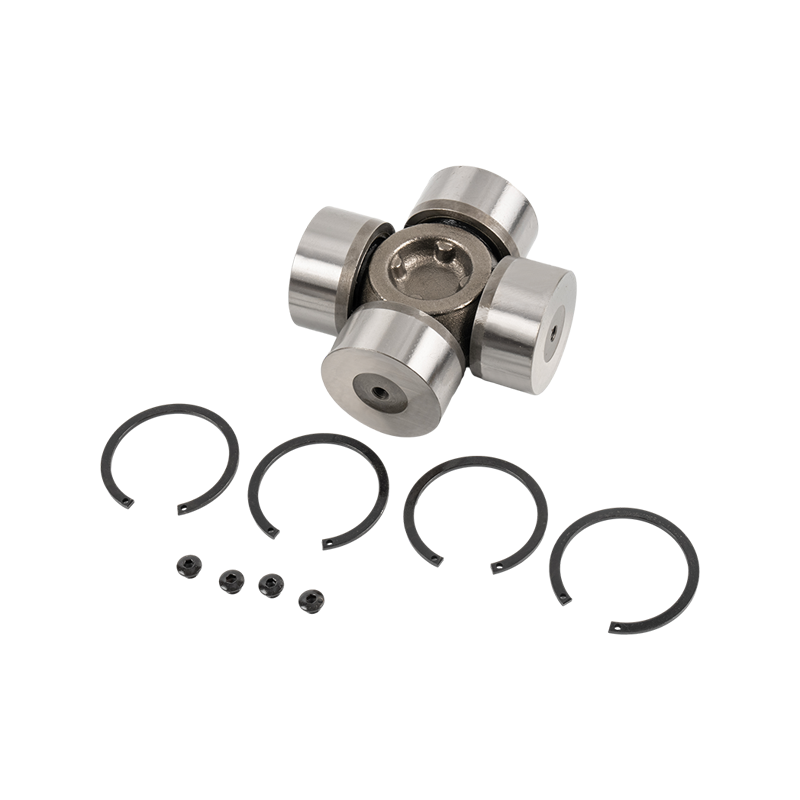
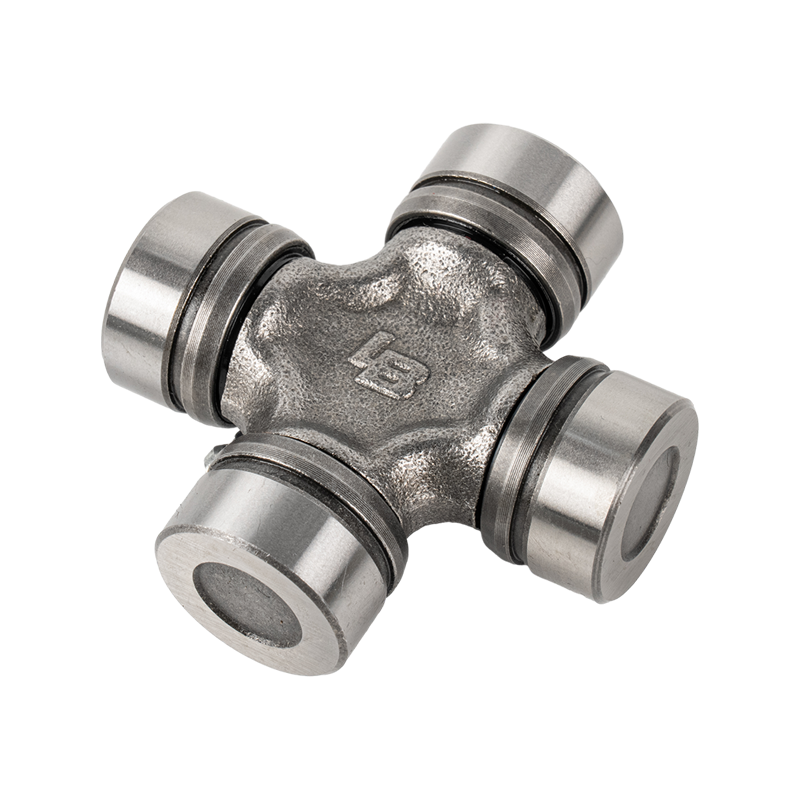
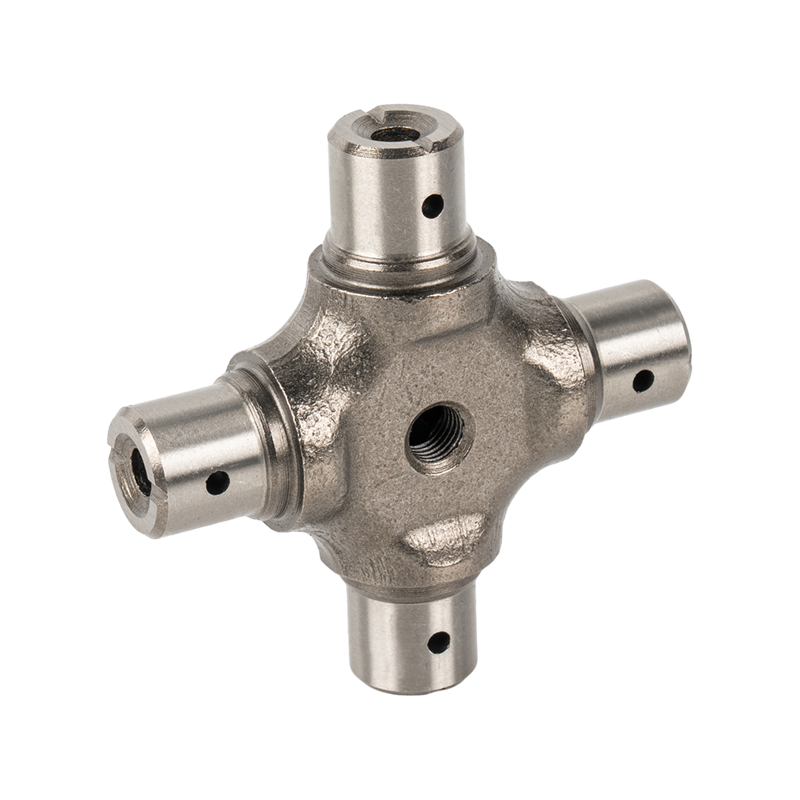
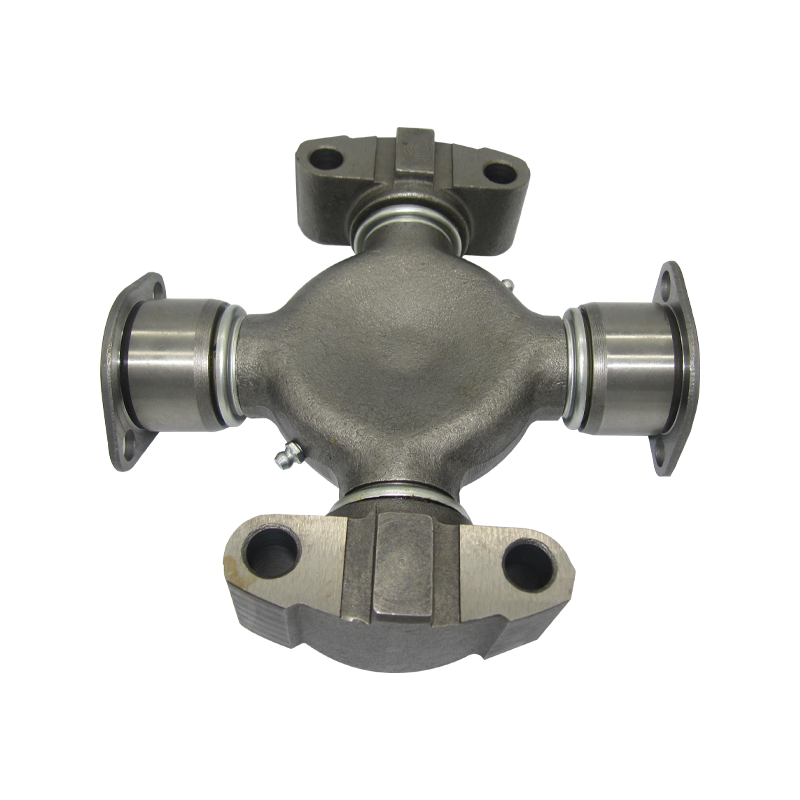
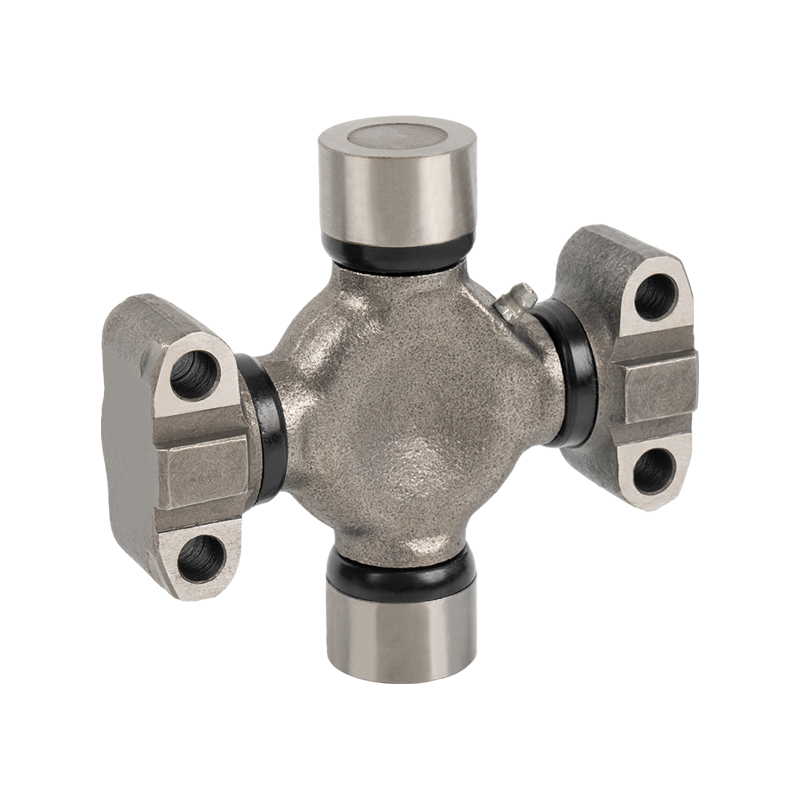
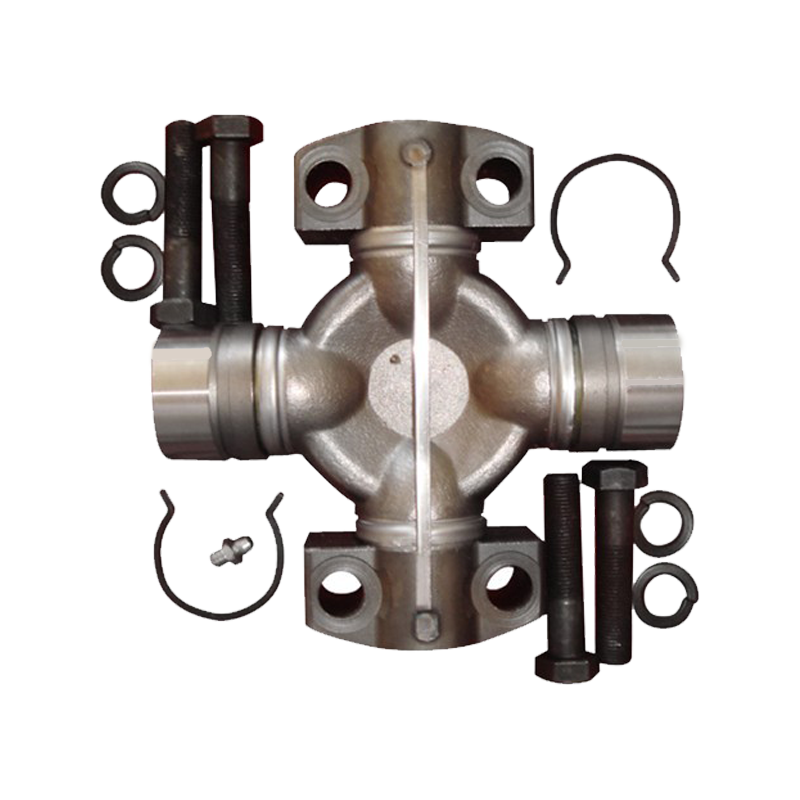
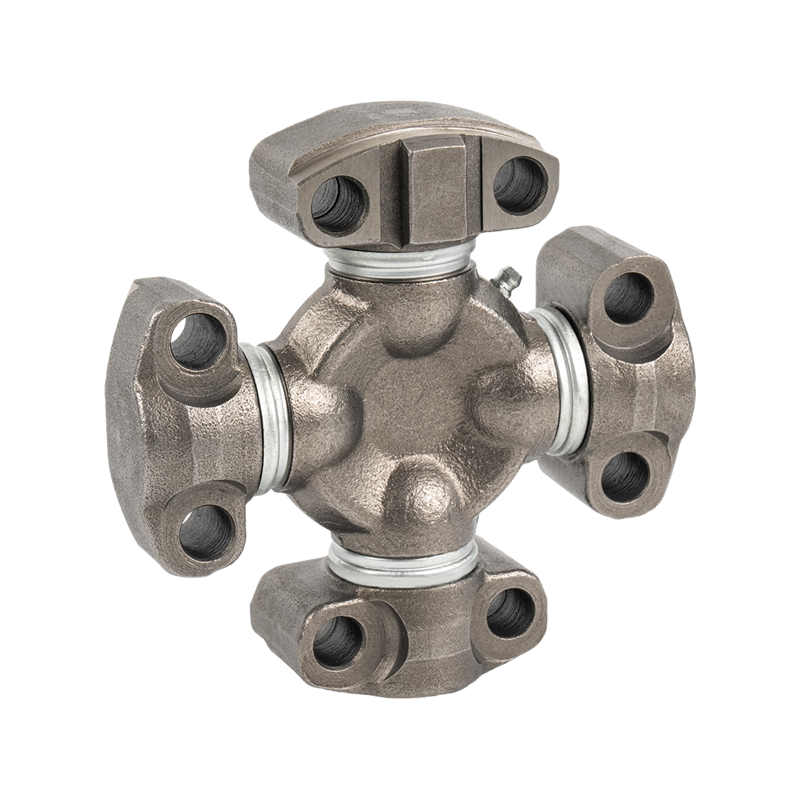
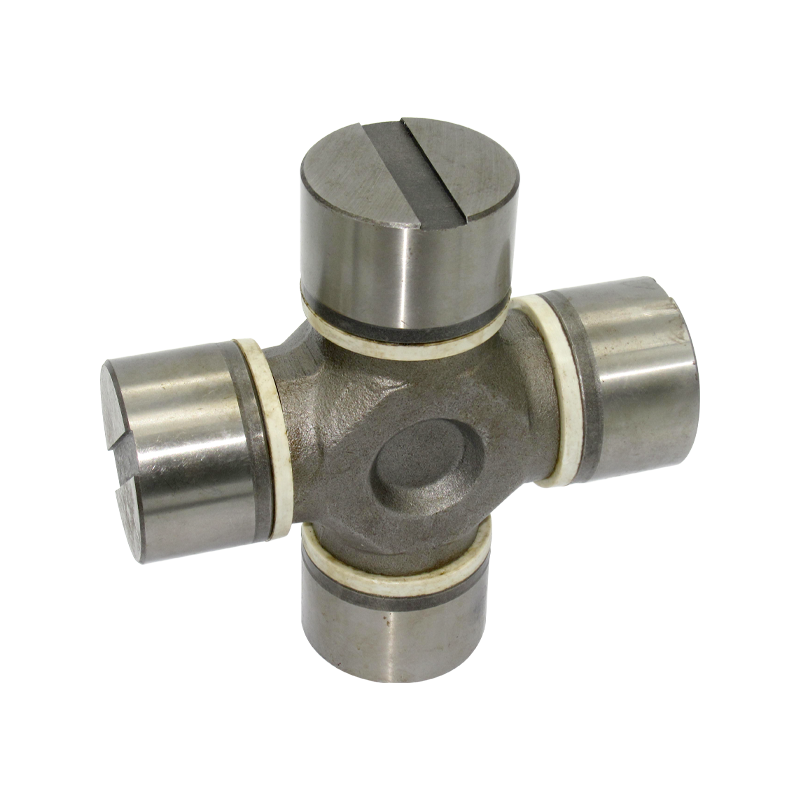
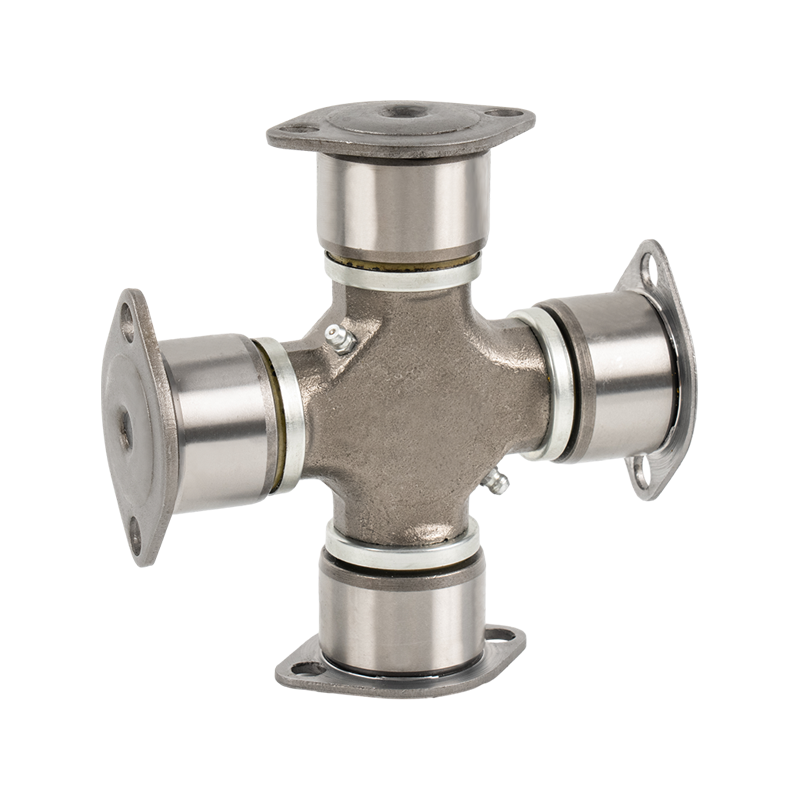
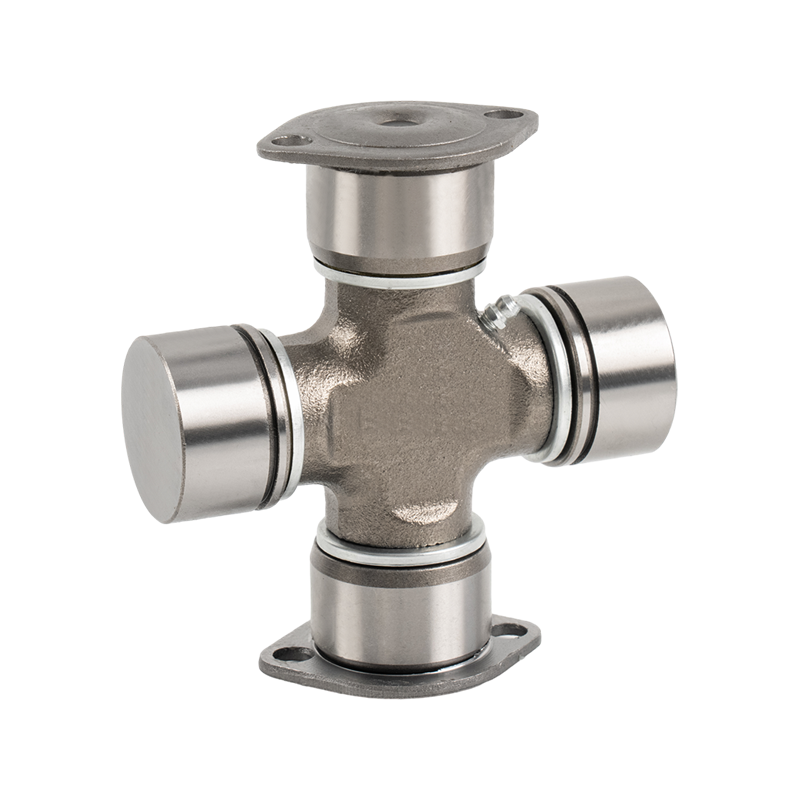
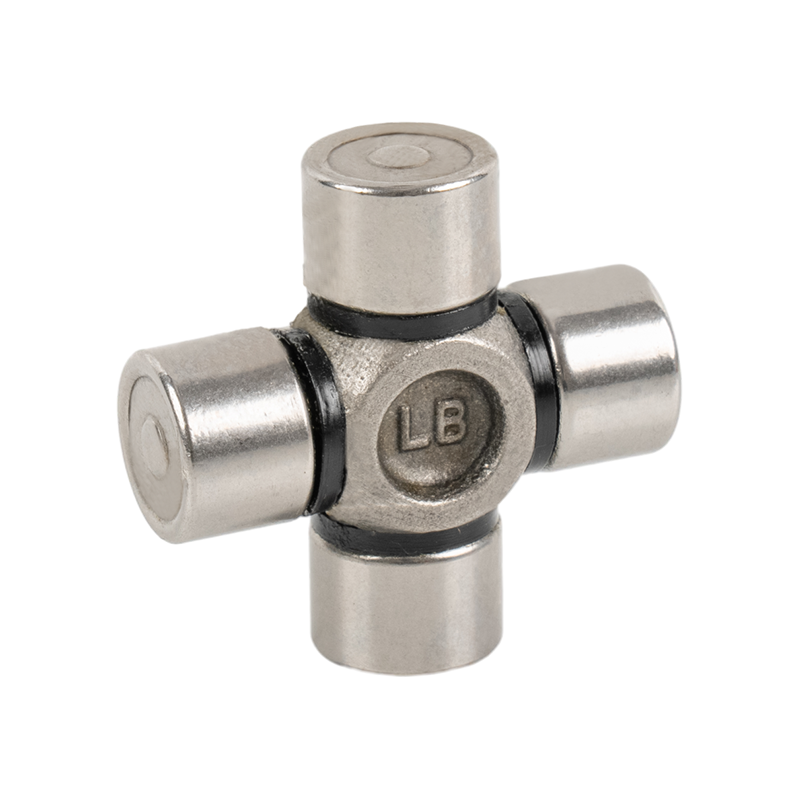
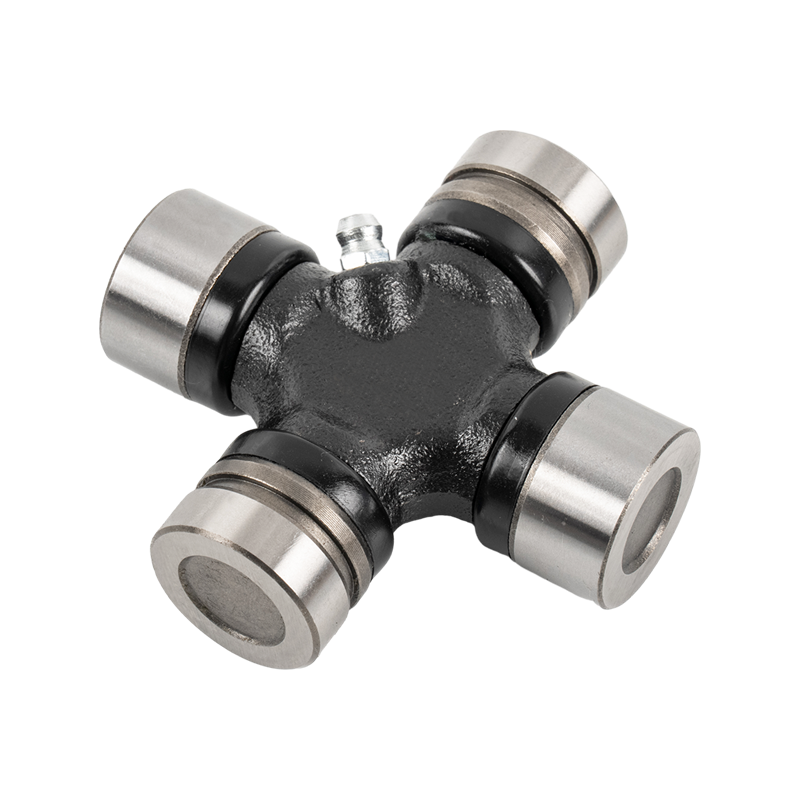
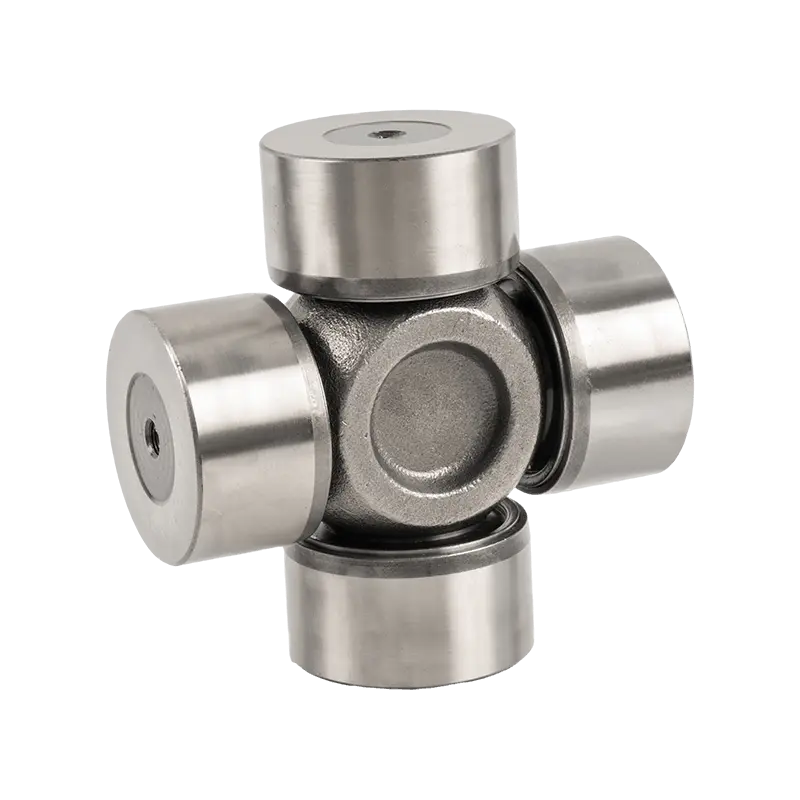
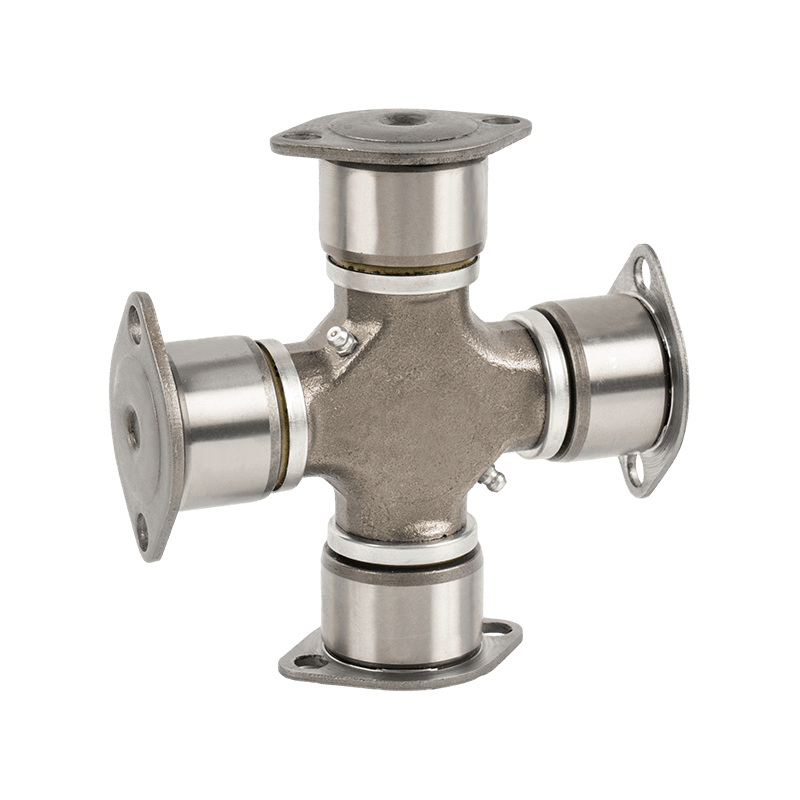
Before we dive into the selection process, let's clarify what we are discussing. An Industrial Equipment Cross Kit (often referred to as a U-joint kit) consists of a four-pointed "cross" or "spider," four needle bearing cups (or caps), and the necessary snap rings or grease fittings.
Its job is to allow a drive shaft to bend or pivot while still transmitting rotational power. This is crucial because, in most industrial machinery, the power source and the driven component are rarely in a perfectly straight line. The cross kit absorbs the angles and vibrations, ensuring a smooth flow of energy.
Step 1: Identify the Application and Environment
The first step in finding the right kit is analyzing where and how it will be used. Not all Industrial Equipment Cross Kits are created equal; a kit designed for a light-duty conveyor belt will fail instantly if installed in a heavy-duty mining truck.
Heavy-Duty vs. Standard Duty
Industrial machinery is typically classified by the amount of torque it handles. For high-torque applications like rock crushing or timber harvesting, you must look for kits forged from high-alloy steel. These are heat-treated to withstand the immense twisting forces that would snap a standard automotive-grade joint.
Environmental Factors
Consider the surroundings:
- Corrosive Environments: If your machinery operates near salt water or in chemical processing plants, you should seek out Industrial Equipment Cross Kits with specialized coatings or stainless steel components to prevent rust.
- High-Dust Areas: In farming or construction, fine dust can act like sandpaper inside a bearing. Look for kits with superior sealing technology (multi-lip seals) to keep contaminants out and lubricant in.
Step 2: Master the Measurements
If you don't have the original part number, manual measurement is your most reliable path. To find the correct Industrial Equipment Cross Kits, you need two primary dimensions: the width and the cap diameter.
Measuring the Width (The Span)
Using a digital caliper, measure the total distance from one end of a bearing cap to the opposite end.
- Note: If the caps are missing, measure the distance between the inner or outer surfaces of the yoke where the caps sit. Be precise; even a difference of 0.5mm can result in a loose fit that leads to catastrophic vibration.
Measuring the Cap Diameter
Measure the outside diameter of the bearing cup. In the industrial sector, diameters are often standardized, but they can vary between metric and imperial (inches) systems. Ensure your caliper is set to the correct units required by your equipment manufacturer.
Snap Ring Location
Check where the snap rings are located. Some kits use internal snap rings (fitting into grooves on the cross itself), while others use external snap rings (fitting into the yoke of the driveshaft). Mixing these up is a common mistake that prevents proper installation.
Step 3: Lubrication—Sealed vs. Greasable
When browsing for Industrial Equipment Cross Kits, you will encounter a choice between "Maintenance-Free" (Sealed) and "Greasable" units.
Greasable Cross Kits
These feature a Zerk fitting (grease nipple) usually located in the center of the cross or on the end of a cap.
- Pros: They allow you to flush out old grease and contaminants.
- Cons: They require a strict maintenance schedule. If your crew forgets to grease them, the joint will fail prematurely.
Sealed (Maintenance-Free) Kits
These are lubricated at the factory and designed to stay that way for their entire lifespan.
- Pros: Ideal for hard-to-reach areas where regular greasing is impossible.
- Cons: Once the factory seal is compromised, the kit cannot be serviced and must be replaced.
Step 4: The Importance of Material Quality
In the industrial sector, "cheap" often becomes "expensive" very quickly. When selecting Industrial Equipment Cross Kits, pay attention to the manufacturing process:
- Forged vs. Cast: Always opt for forged crosses. Forging aligns the grain structure of the metal, making it significantly stronger and more resistant to fatigue than cast alternatives.
- Needle Bearing Quality: The small rollers inside the caps are the heart of the joint. High-quality kits use precision-ground needle bearings that distribute the load evenly, preventing "brinelling" (where the rollers dent the cross-arm).
Step 5: Matching the Brand or Interchanging
While OEM (Original Equipment Manufacturer) parts are a safe bet, many high-quality aftermarket Industrial Equipment Cross Kits offer the same, if not better, performance at a lower price point.
When looking for an alternative, use an Interchange Guide. Most reputable suppliers provide a database where you can enter a part number from a brand like Spicer, Rockwell, or GWB to find the compatible match. This allows you to diversify your supply chain and avoid being stranded by a single manufacturer's backorder.
Common Signs It's Time for a New Cross Kit
To avoid total system failure, keep an ear and eye out for these red flags:
- Squeaking or Chirping: This often indicates that the lubricant has dried out and the metal is rubbing against metal.
- Vibration: If the machinery vibrates more than usual, especially at higher speeds, the cross kit may have developed "play" or looseness.
- Clunking Sounds: A loud "clunk" when shifting from forward to reverse is a classic sign of a worn-out U-joint.
- Visible Rust: If you see "rusty dust" around the bearing caps, it means the internal bearings are disintegrating.
Don't Compromise on the Core
Finding the right Industrial Equipment Cross Kits is about more than just matching a size; it’s about matching the component to the demands of your job. By taking accurate measurements, considering your environmental needs, and choosing high-quality forged materials, you ensure your machinery stays in motion.
Investing time in selecting the correct kit today prevents the headaches of broken shafts and idle workers tomorrow. Whether you are performing a routine overhaul or an emergency repair, remember that precision is your best tool.