

 Language
 中文简体
中文简体
Steering Cross Joint: Function, Symptoms & Replacement Guide
Content
- 1 What Is a Steering Cross Joint and Why Does It Matter?
- 2 How a Steering Cross Joint Works
- 3 Where Steering Cross Joints Are Located on a Vehicle
- 4 Symptoms of a Worn or Failing Steering Cross Joint
- 5 Common Causes of Steering Cross Joint Failure
- 6 How to Inspect a Steering Cross Joint for Wear
- 7 Steering Cross Joint Replacement: What to Expect
- 8 Steering Cross Joint Replacement Cost Breakdown
- 9 Maintenance Tips to Extend Steering Cross Joint Life
- 10 Steering Cross Joint vs. Other Steering Components: Avoiding Misdiagnosis
- 11 When to Prioritize Steering Cross Joint Replacement as a Safety Issue
What Is a Steering Cross Joint and Why Does It Matter?
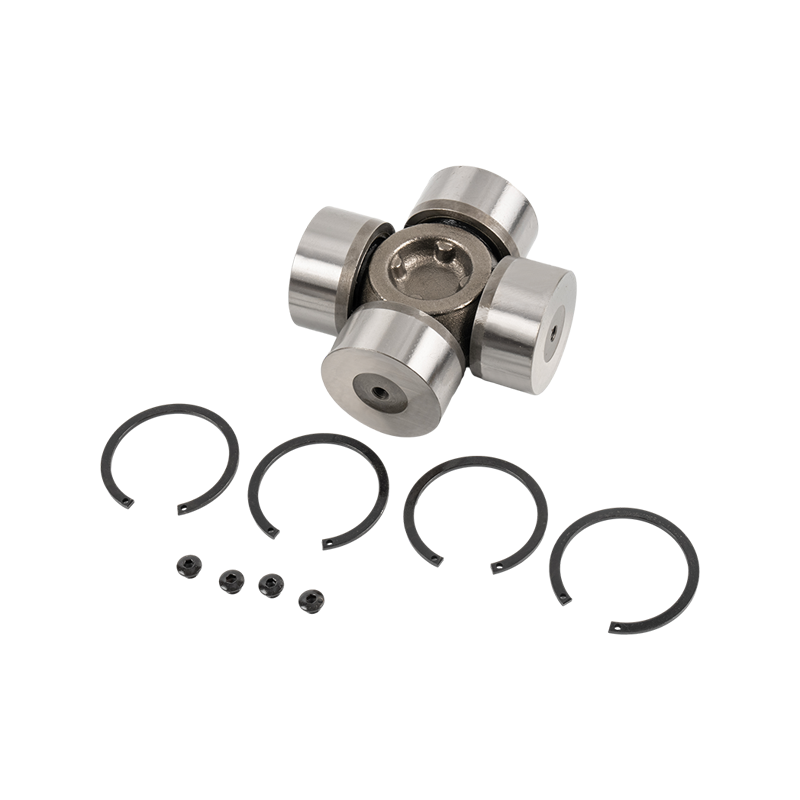
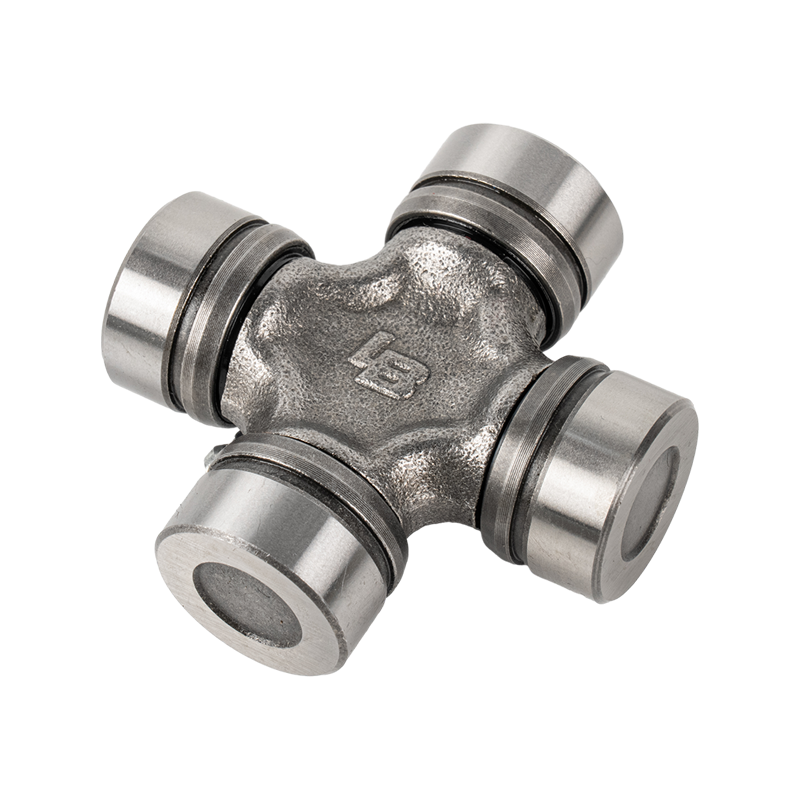
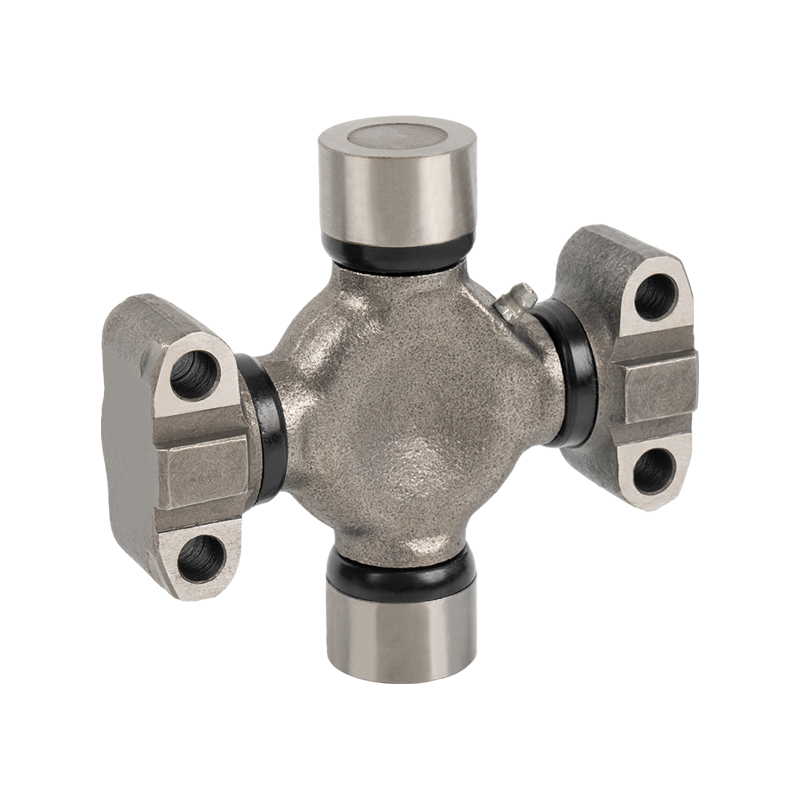
A steering cross joint — also called a steering universal joint (U-joint) or steering shaft cross joint — is a small but critical mechanical component that connects two sections of the steering shaft at an angle, allowing rotational force to transfer smoothly from the steering wheel to the steering rack or gearbox even when the shafts are not perfectly aligned. Without a functioning steering cross joint, precise directional control of the vehicle is impossible.
Most passenger vehicles use one or two steering cross joints in the intermediate steering shaft, which runs between the steering column and the steering rack. The joint accommodates the angular offset required by the vehicle's firewall geometry and suspension layout — typically between 15° and 35° of operating angle in most production cars and trucks.
When this component wears out, drivers experience looseness, clunking, or vibration in the steering — symptoms that directly affect vehicle safety and driver confidence. Understanding how steering cross joints work, how to identify failure, and how to replace them is essential knowledge for any vehicle owner or technician.
How a Steering Cross Joint Works
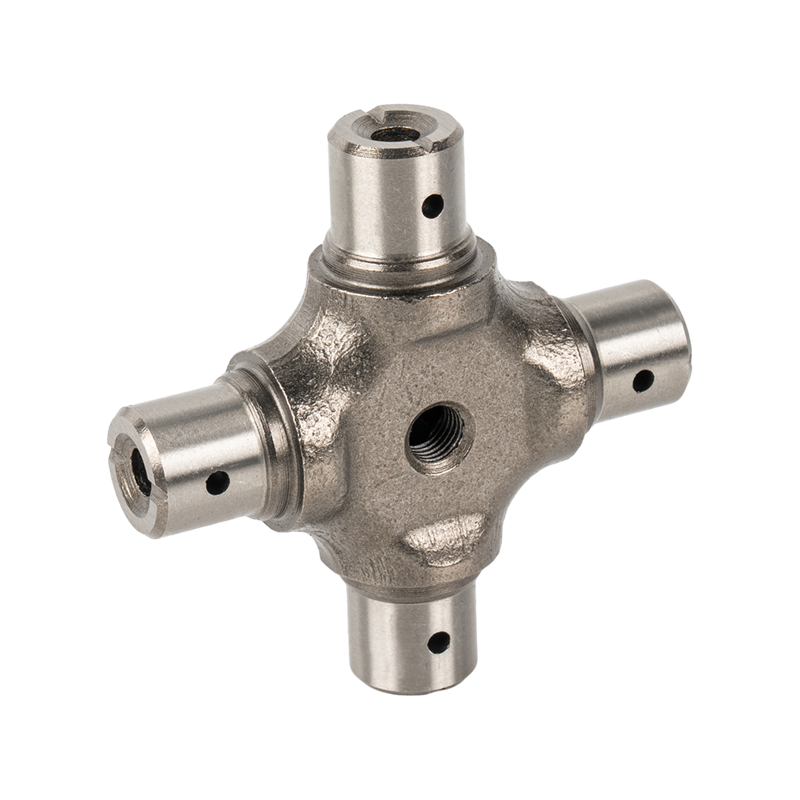
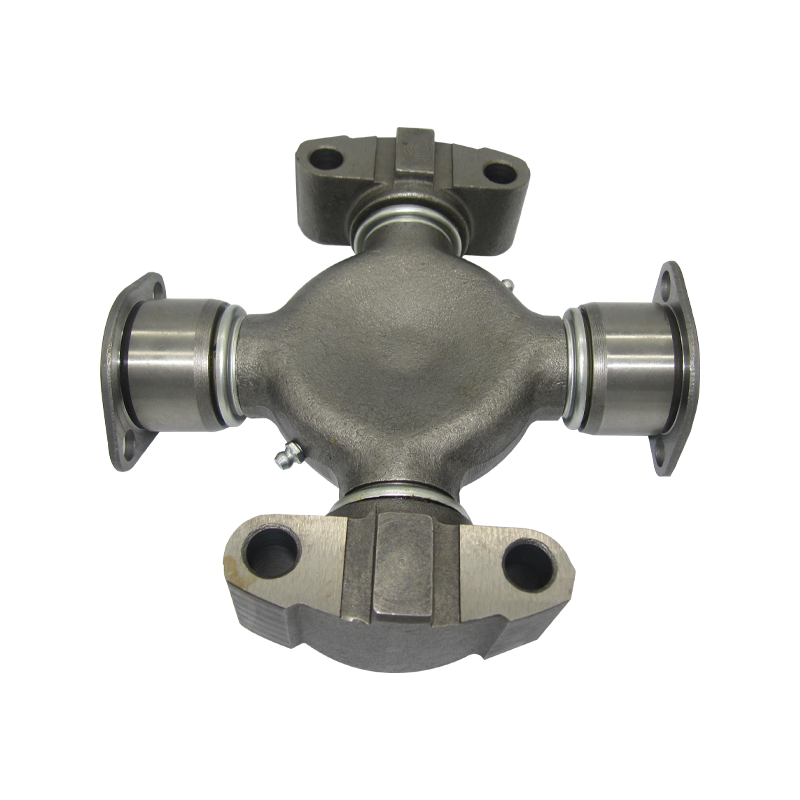
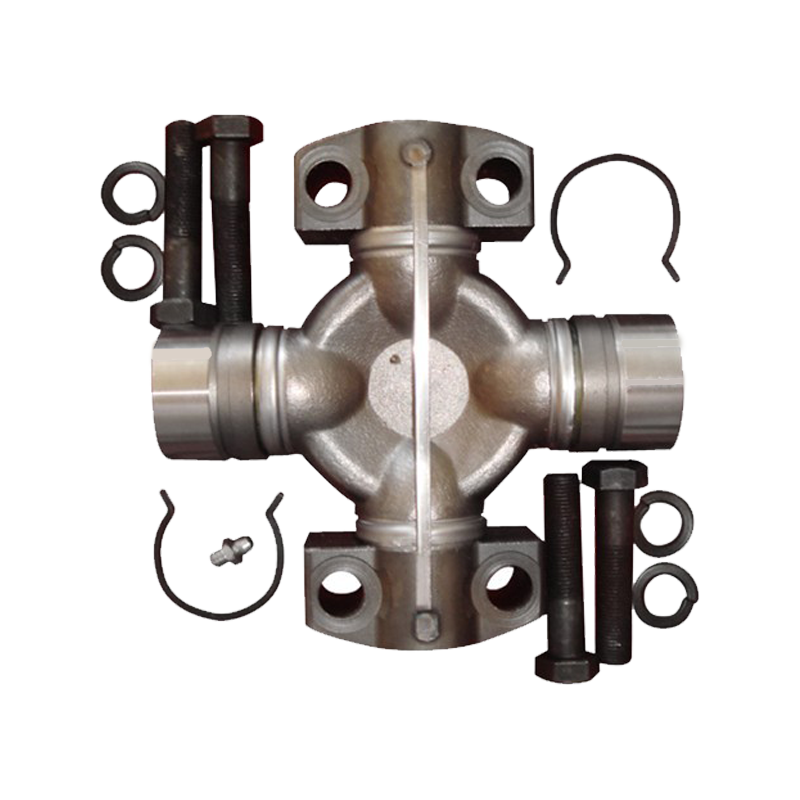
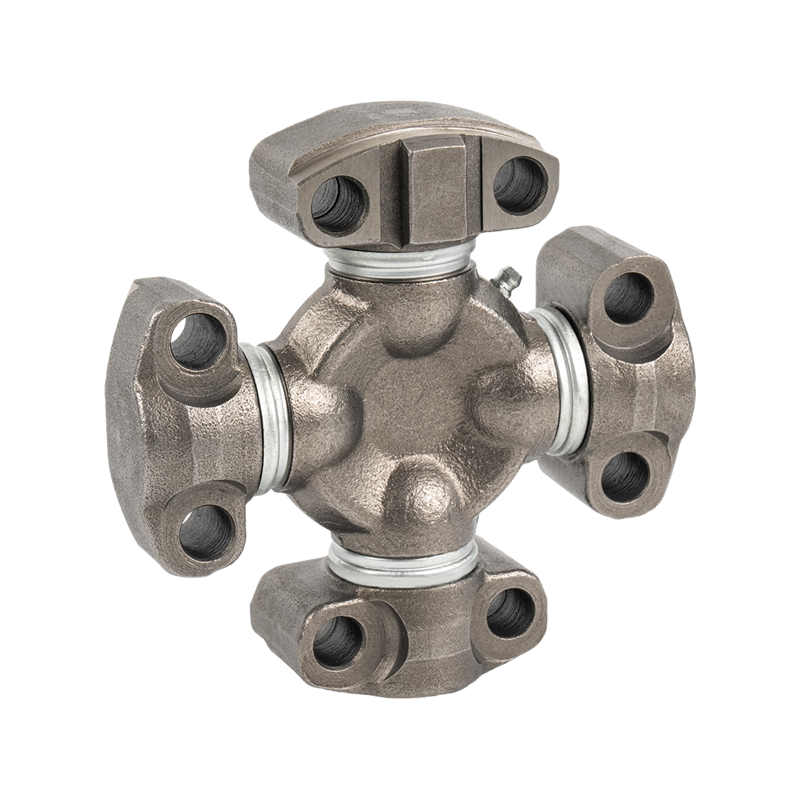
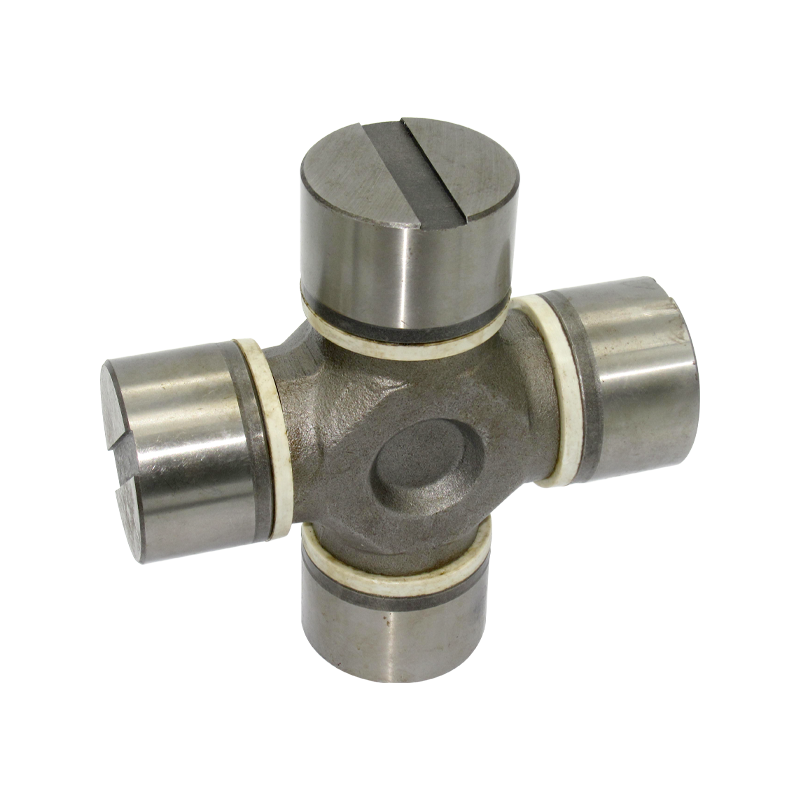
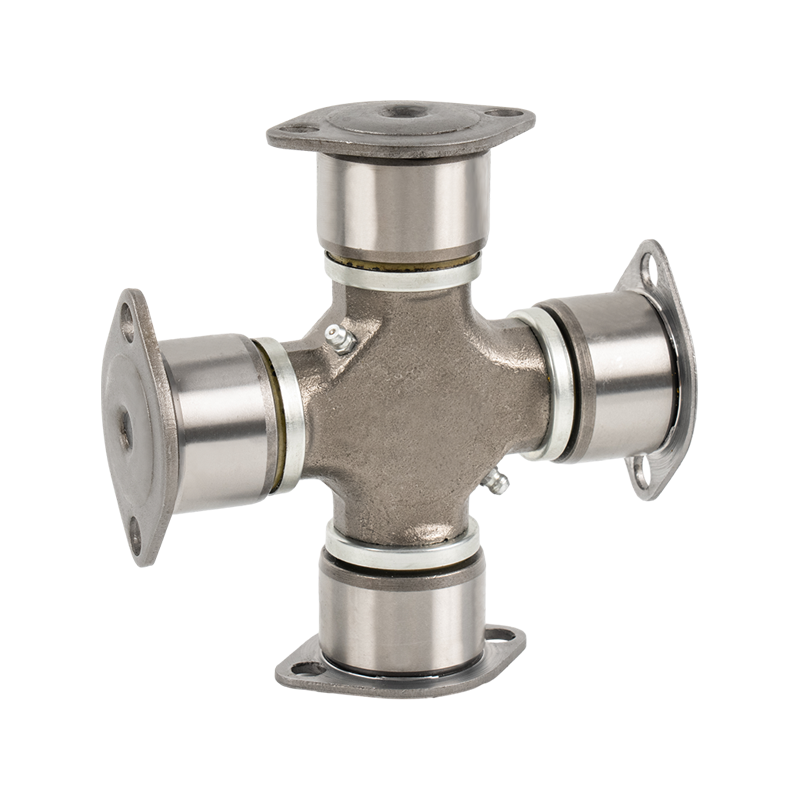
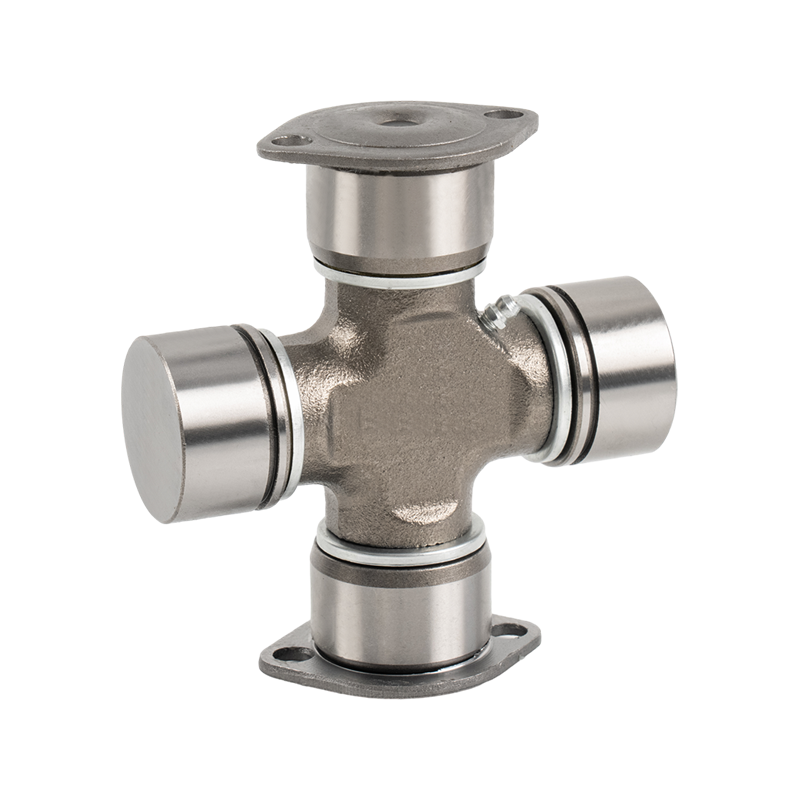
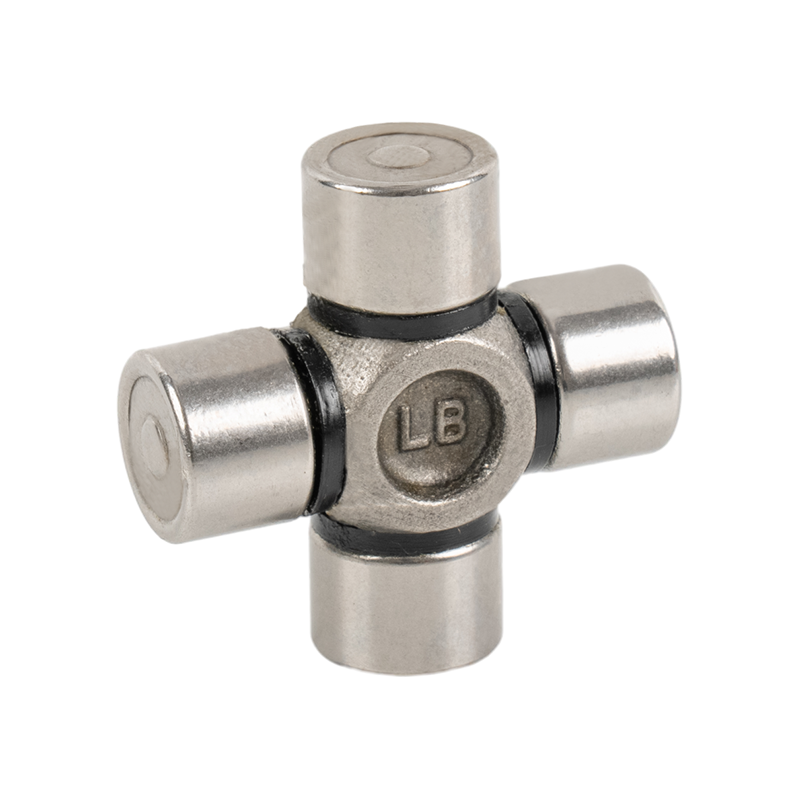
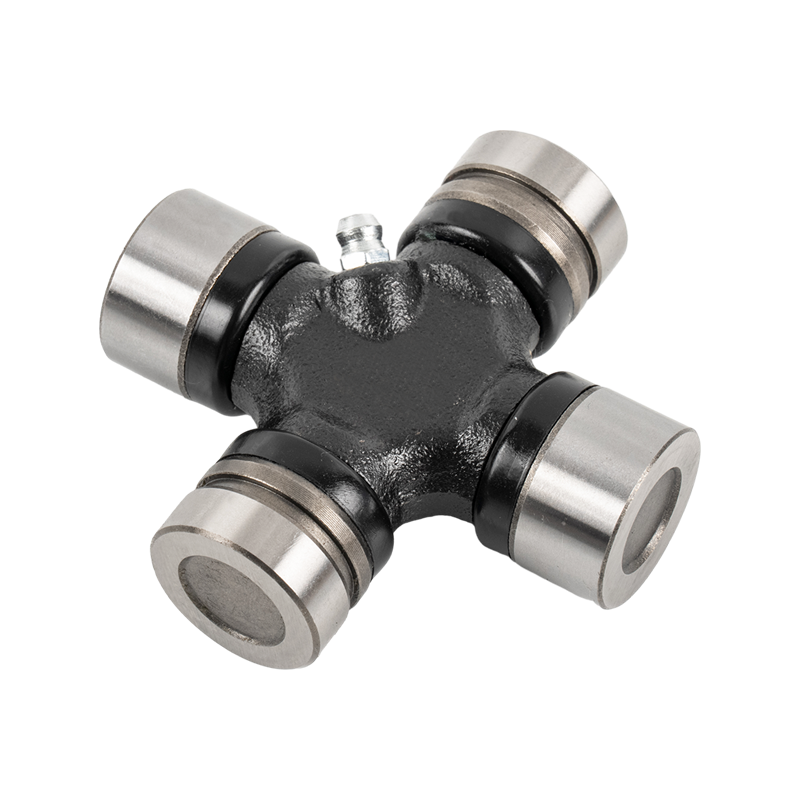
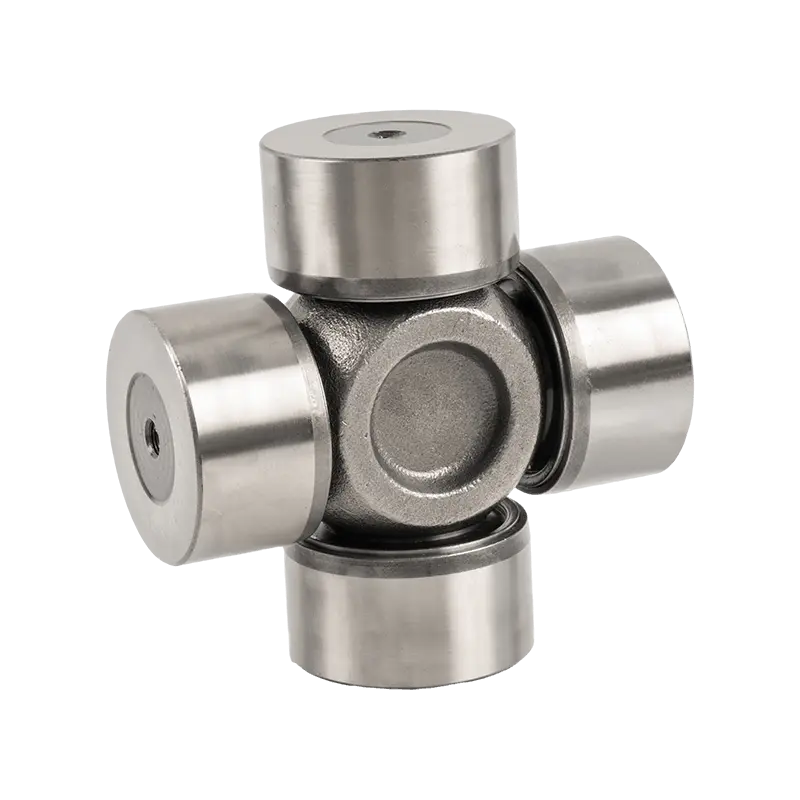
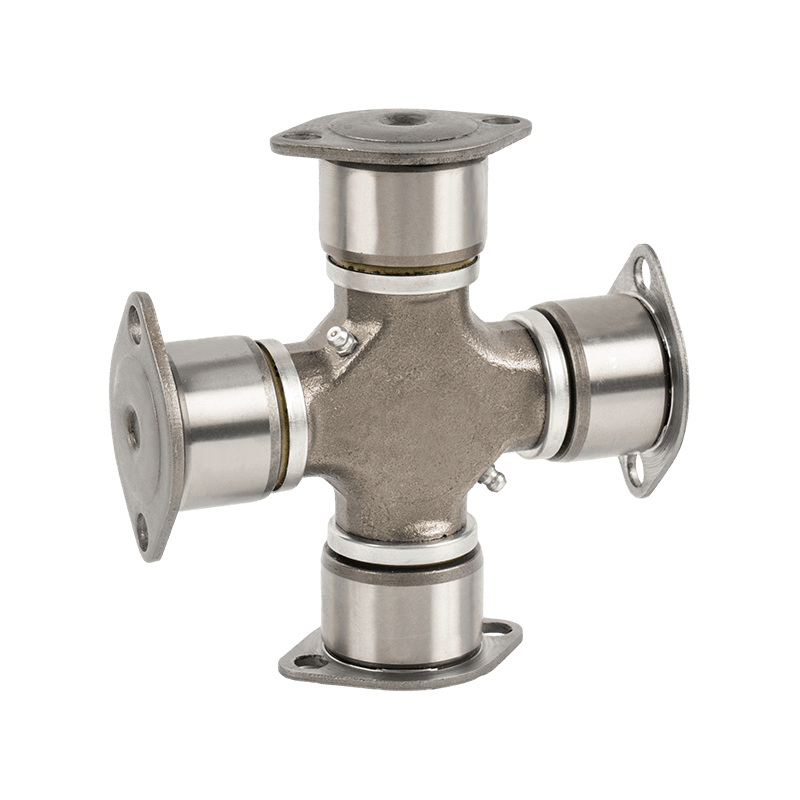
The steering cross joint consists of a central cross-shaped body (the "spider") with four trunnion arms, each fitted with a needle-bearing cup. Two opposing cups connect to one yoke (shaft), and the other two cups connect to the second yoke. This four-point bearing arrangement allows the joint to flex through its operating angle while continuously transmitting torque.
The Role of Needle Bearings
Each of the four trunnion cups contains 12 to 20 needle roller bearings packed in grease. These bearings allow the cups to pivot smoothly on the trunnion journals with minimal friction. In a sealed-for-life design, the grease is factory-filled and the cups are staked permanently into the yokes. In serviceable designs, grease fittings (Zerk fittings) allow periodic lubrication, extending service life significantly.
Velocity Variation and Double-Cardan Joints
A single cross joint operating at an angle produces a small cyclic velocity variation — the output shaft speeds up and slows down twice per revolution even when the input rotates at constant speed. In steering shafts this is corrected by using two cross joints phased 90° apart on the intermediate shaft, which cancels the velocity variation and delivers smooth, proportional steering feel. Some vehicles use a double-Cardan (constant velocity) joint at one end for even smoother response, particularly in trucks and SUVs with higher steering angles.
Where Steering Cross Joints Are Located on a Vehicle
Understanding the location of steering cross joints helps when inspecting or replacing them. Most vehicles have the following arrangement:
- Upper steering cross joint: Located near the base of the steering column, just below the firewall. This joint accommodates the angle between the column (which runs toward the driver) and the intermediate shaft (which runs down toward the engine bay).
- Lower steering cross joint: Located at the bottom of the intermediate shaft, connecting to the steering rack pinion or gearbox input shaft. This joint is typically more exposed to heat, road debris, and moisture — making it the more commonly failed of the two.
- Collapsible section: Many intermediate shafts include a collapsible or telescoping section between the two joints as a safety feature — in a frontal collision, the shaft compresses rather than driving into the driver. The cross joints are positioned on either side of this section.
On trucks, larger SUVs, and commercial vehicles, a third cross joint may be present where the steering shaft passes through a frame rail or makes an additional directional change.
Symptoms of a Worn or Failing Steering Cross Joint
Steering cross joint wear develops gradually, but the symptoms become progressively more dangerous as the joint deteriorates. Recognizing early warning signs can prevent an unsafe steering failure on the road.
Clunking or Knocking Noise When Turning
The most common early symptom is a clunking, knocking, or popping noise heard (and sometimes felt) when the steering wheel is turned, particularly during low-speed maneuvers such as parking or three-point turns. This occurs because worn needle bearings allow the spider to knock against the inside of the bearing cups. The noise is typically most pronounced at the steering wheel's center position as the joint passes through its straightest operating angle.
Steering Wheel Play or Looseness
A worn cross joint introduces measurable free play — the steering wheel can be rotated slightly without producing any corresponding wheel movement. Normal acceptable steering play is typically less than 1.5 inches of rim movement on a standard steering wheel. Play exceeding this threshold at the joint itself is a strong indicator of cross joint wear and may be a roadworthiness (inspection) failure in many jurisdictions.
Steering Vibration or Shudder
As the needle bearings wear unevenly, the joint may develop tight or stiff spots at specific rotational positions — a condition called "binding." This creates a cyclical vibration or shudder felt through the steering wheel, often most noticeable at highway speeds or during lane changes. In severe cases, the steering may feel jerky or notchy rather than smooth.
Steering Pulls to One Side
A severely worn or binding cross joint can cause inconsistent torque transfer through the steering shaft, resulting in the vehicle tracking or drifting to one side — particularly noticeable when the steering wheel is centered. This symptom is often misdiagnosed as a wheel alignment issue; however, if alignment checks out correctly, the steering shaft components should be inspected.
Difficulty Turning or Heavy Steering Feel
In advanced stages of wear, a seized or heavily corroded cross joint can significantly increase steering effort — especially in vehicles without power steering. Even in power-assisted vehicles, binding in the mechanical steering shaft is detectable as uneven resistance during slow-speed turning.
Common Causes of Steering Cross Joint Failure
Understanding why steering cross joints fail helps inform both maintenance practices and replacement decisions.
| Failure Cause | Description | Most Affected Vehicles |
|---|---|---|
| Grease depletion | Sealed joints lose lubricant over time; dry bearings wear rapidly | High-mileage vehicles (100,000+ miles) |
| Water and corrosion ingress | Damaged seals allow moisture to rust needle bearings and trunnion journals | Vehicles in salt-belt regions or high humidity climates |
| Operating angle exceeded | Suspension lift kits or modifications increase joint angle beyond design limits | Lifted trucks and off-road vehicles |
| Road shock and impact loads | Potholes and curb impacts transmit shock loads through the steering shaft | Urban driving, commercial vehicles |
| Heat exposure | Lower joint near exhaust components degrades grease and seals faster | Compact cars with tight engine bays |
| Manufacturing defect | Substandard bearing steel or improper hardness causes premature wear | Aftermarket parts of poor quality |
How to Inspect a Steering Cross Joint for Wear
A proper steering cross joint inspection can be performed with basic tools and does not require a vehicle lift in most cases, though access is easier with the front wheels turned to full lock.
- Visual inspection: Locate the intermediate steering shaft under the hood, running from the firewall to the steering rack. Visually check the cross joint for rust, cracked or missing dust seals, and any obvious deformation of the yokes or spider body.
- Grease seal check: Inspect the rubber or plastic dust caps on each bearing cup. Cracked, torn, or missing seals allow contaminant ingress and signal that bearing lubrication is compromised.
- Rotational binding test: With the engine off and wheels on the ground, rotate the steering wheel slowly from lock to lock. Any notchy, stiff, or irregular resistance indicates bearing wear or corrosion in the joint.
- Free-play check: Have a helper hold the steering wheel stationary while you grip the intermediate shaft on each side of the joint and attempt to rotate it. Any perceptible rotational play between the two shaft sections indicates worn bearings.
- Axial and radial movement check: Grasp the shaft near the joint and push/pull in all directions. Movement in excess of 0.5 mm in any direction indicates trunnion journal wear and requires replacement.
- Under-load road test: Drive at low speed in a parking lot and turn through full lock in both directions. Listen for clunking, feel for vibration through the wheel, and note any point where steering feels heavier or catches momentarily.
Steering Cross Joint Replacement: What to Expect
Replacing a steering cross joint is a moderately skilled DIY job on many vehicles, but requires careful attention to shaft phasing (alignment) to avoid introducing steering anomalies after reassembly.
Replacement Options: Full Shaft Assembly vs. Joint Only
There are two main approaches to steering cross joint replacement:
- Complete intermediate shaft assembly replacement: The preferred option for most mechanics. A complete shaft with both joints pre-installed costs $60–$250 for most passenger vehicles and ensures correct phasing from the factory. Installation time is typically 1–2 hours.
- Individual cross joint kit replacement: The joint spider and bearing cups can be pressed out and new ones installed using a bench vise or U-joint press tool. Joint kits cost $15–$50 but require more skill to correctly press in the bearing cups to the proper depth and stake them securely. Incorrect installation can cause the cups to work loose.
Critical Step: Shaft Phasing
When two cross joints are used on the same intermediate shaft, they must be installed in phase — meaning the yokes on each end of the shaft must be aligned in the same plane (both pointing the same direction when viewed along the shaft axis). Out-of-phase joints create a velocity variation that causes steering wheel shimmy and vibration. Before disassembly, always mark the shaft orientation relative to both the steering column and rack input with paint or marker.
Torque Specifications and Fasteners
Intermediate shafts are typically secured to the steering column and rack pinion shaft via pinch bolts (clamp bolts) or splined slip-fit connections with a pinch bolt. These fasteners are safety-critical and must be torqued to specification — typically 20–35 Nm (15–26 ft-lb) depending on the vehicle — and should always be replaced with new hardware rather than reusing worn bolts. Never reuse a deformed or previously tightened single-use pinch bolt.
Steering Cross Joint Replacement Cost Breakdown
Costs vary depending on whether you replace the complete shaft assembly or just the joint, and whether you use a dealership, independent shop, or do the work yourself.
| Repair Scenario | Parts Cost | Labor Cost | Total Estimate |
|---|---|---|---|
| DIY – Joint kit only | $15–$50 | $0 | $15–$50 |
| DIY – Complete shaft | $60–$250 | $0 | $60–$250 |
| Independent shop – Joint kit | $20–$60 | $80–$150 | $100–$210 |
| Independent shop – Complete shaft | $80–$280 | $80–$150 | $160–$430 |
| Dealership – Complete shaft | $150–$400 | $120–$250 | $270–$650 |
For most vehicles, the intermediate shaft complete assembly replacement at an independent shop represents the best balance of cost, reliability, and safety assurance — particularly because it eliminates any risk of incorrect joint installation or phasing error.
Maintenance Tips to Extend Steering Cross Joint Life
While many modern steering cross joints are sealed-for-life units, there are meaningful steps you can take to maximize their service life and catch problems early.
- Grease serviceable joints regularly: If your vehicle's cross joints have Zerk grease fittings, add fresh grease every 30,000 to 50,000 miles or as specified in the owner's manual. Use a high-quality EP (extreme pressure) chassis grease rated for universal joint service.
- Inspect dust seals annually: Check the rubber or nylon dust seals at every oil change. A cracked or missing seal costs less than $5 to replace and can prevent a $200+ joint replacement.
- Avoid exceeding the joint's operating angle: If installing a suspension lift kit, use a steering shaft drop bracket or extended intermediate shaft to keep the cross joint within its rated operating angle — typically no more than 35° for most joints under continuous load.
- Clean the steering shaft area during undercarriage washes: Road salt and compacted mud packed around the lower joint accelerate corrosion. Pressure-washing the undercarriage in winter-driving regions at least twice per season helps preserve the seals and shaft surface.
- Include cross joint inspection in regular steering system checks: Any time a wheel alignment, suspension repair, or steering rack service is performed, ask the technician to inspect the intermediate shaft and cross joints for play and binding — it adds only a few minutes to the inspection.
Steering Cross Joint vs. Other Steering Components: Avoiding Misdiagnosis
Several steering and suspension components produce symptoms similar to a worn cross joint. Correct diagnosis before purchasing parts saves time and money.
| Component | Similar Symptom | How to Distinguish |
|---|---|---|
| Tie rod ends | Steering play, looseness | Play is felt at the wheel hub end; jack up the wheel and check lateral movement at the tire |
| Steering rack | Loose center feel, clunking | Clunk originates from the rack housing, not the shaft; check rack mount bushings and internal rack play |
| Column bearing/clock spring | Noise when turning, rough feel | Noise is inside the cabin near the steering wheel; cross joint noise is typically from the engine bay |
| Ball joints | Clunking, wandering | Ball joint clunk occurs over bumps, not purely during steering input; check with a pry bar on the control arm |
| Power steering pump | Heavy steering, whining noise | Pump issues produce consistent whine; cross joint binding is positional and varies through the steering arc |
When to Prioritize Steering Cross Joint Replacement as a Safety Issue
Unlike many wear items that can be monitored and replaced at the next service interval, a failing steering cross joint has direct safety implications. Replace the joint immediately — do not delay — in the following situations:
- Visible cracks or fractures in the yoke or spider body — structural failure is imminent and the vehicle should not be driven.
- Steering wheel play exceeding 2 inches of rim movement — at this level, the joint has deteriorated to the point where steering response is unpredictably delayed.
- Any binding or catching sensation that causes sudden directional input — a joint that intermittently locks and releases can cause the driver to lose control of steering direction without warning.
- Failed vehicle safety inspection due to steering play — the vehicle is legally unroadworthy and must be repaired before returning to public roads.
A steering cross joint failure at highway speed can result in complete loss of directional control. Unlike brake fade or tire wear, which degrade gradually and predictably, a fractured cross joint yoke can produce instantaneous loss of steering. This makes timely inspection and replacement one of the most important safety maintenance items on any vehicle with significant mileage.