

 Language
 中文简体
中文简体
What is a Heavy Trucks Universal Joint? Function, Failure Signs, and Care
Content
A universal joint (U-joint) on a heavy truck connects sections of the driveshaft, allowing power to transfer from the transmission to the axle even as the driveshaft angle changes with suspension movement, load, and road conditions. Without it, the rigid driveshaft would bind or snap the moment the truck hit an incline, a pothole, or uneven terrain — the U-joint is what makes flexible, continuous power delivery possible under constant mechanical stress.
On heavy trucks specifically, Heavy Trucks Universal Joint handle far higher torque loads than those on passenger vehicles, which means wear patterns, failure signs, and replacement intervals all look different. Below, we cover exactly how these joints function, the types used across different truck classes, how to spot failure early, and what proper maintenance actually involves.
How a Universal Joint Works
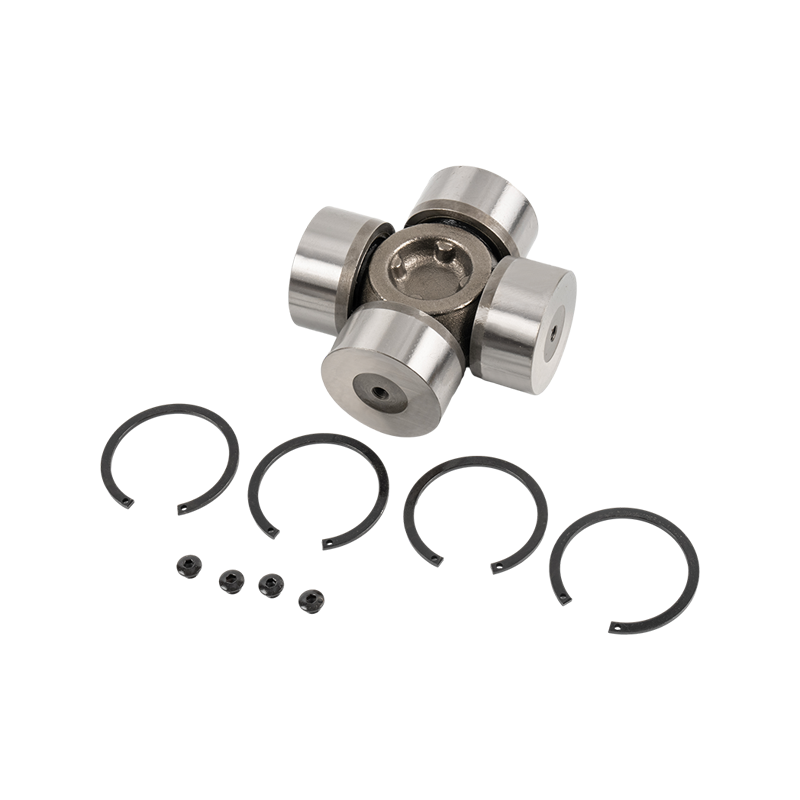
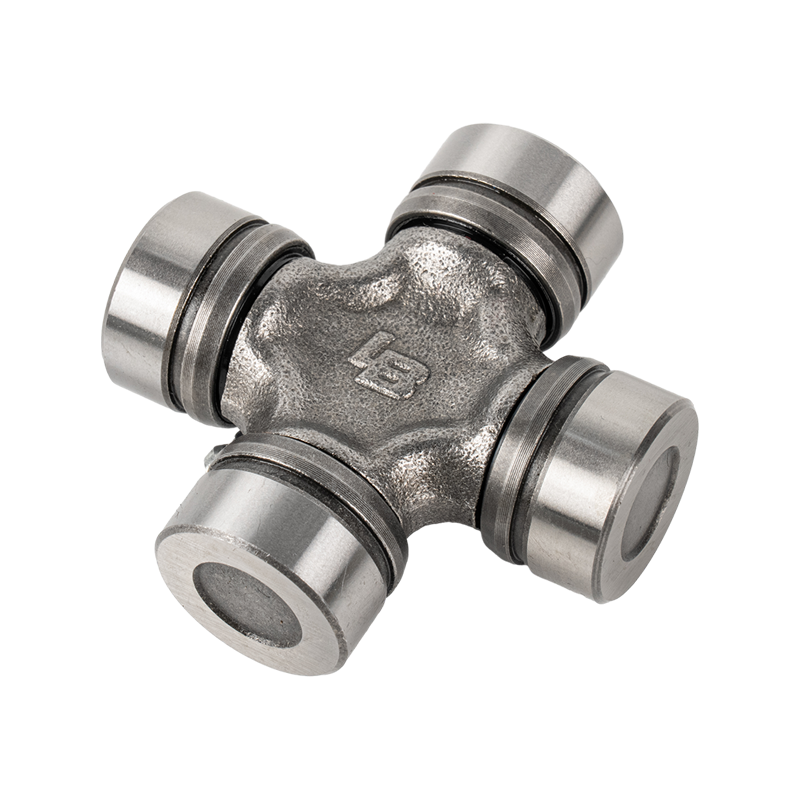
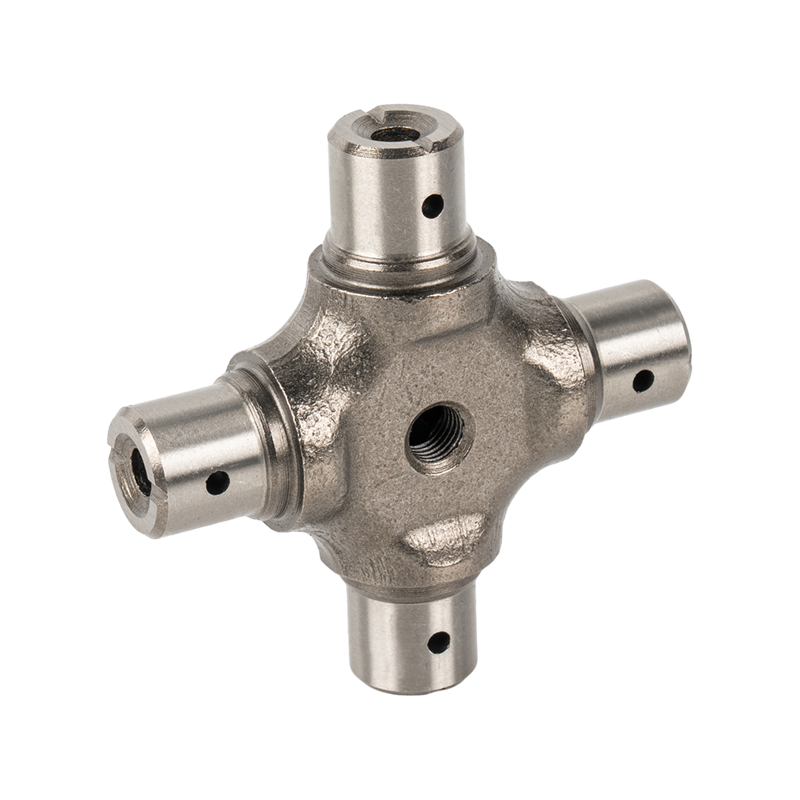
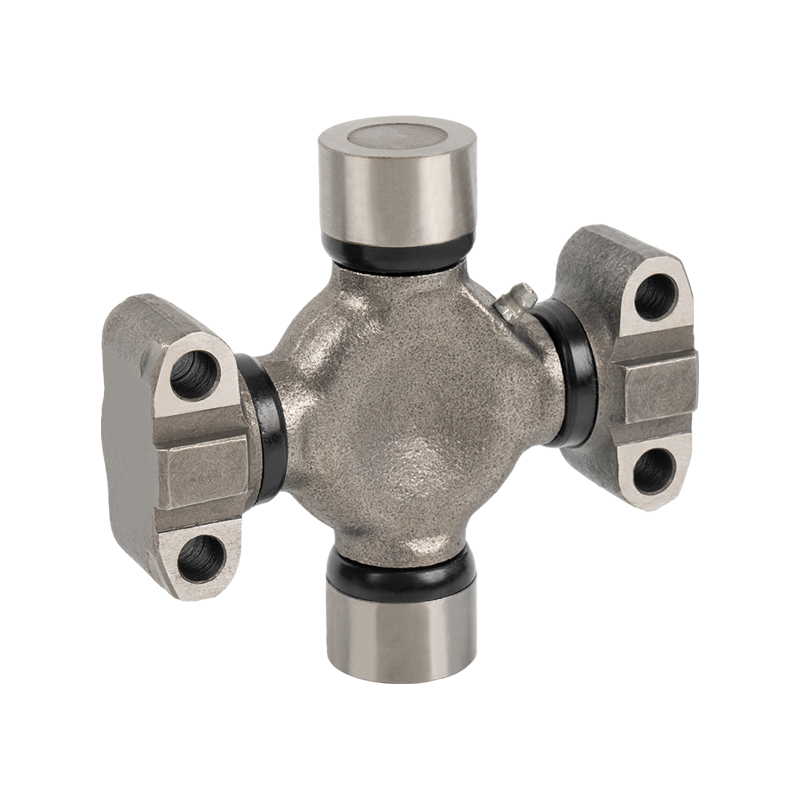
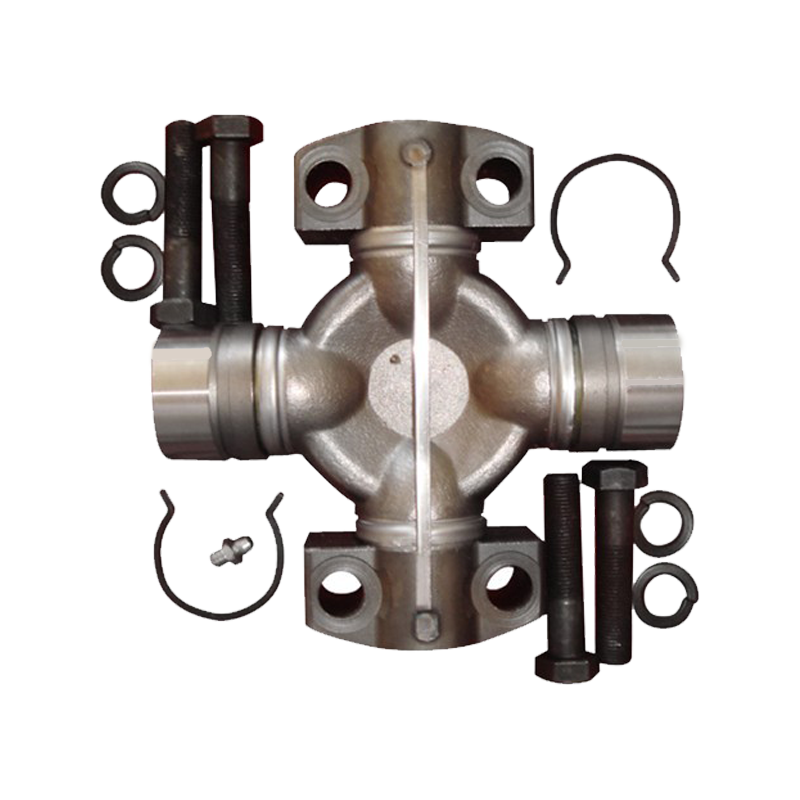
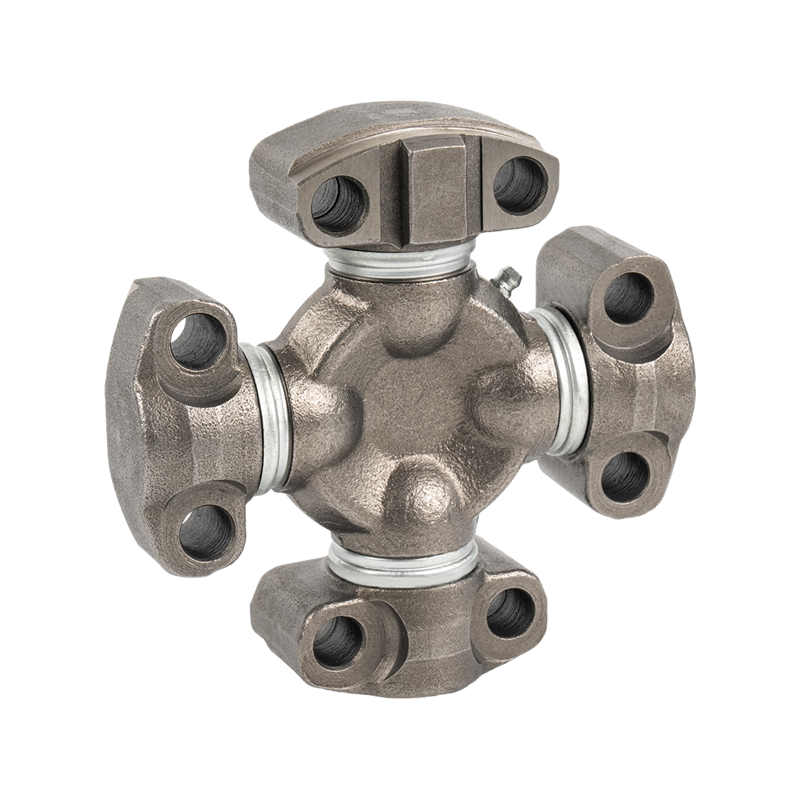
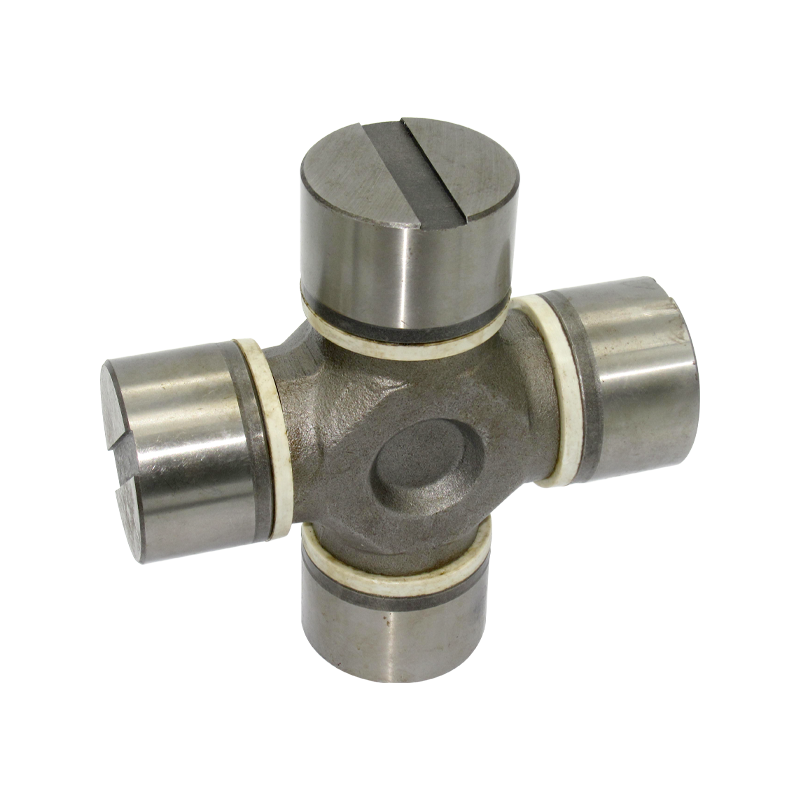
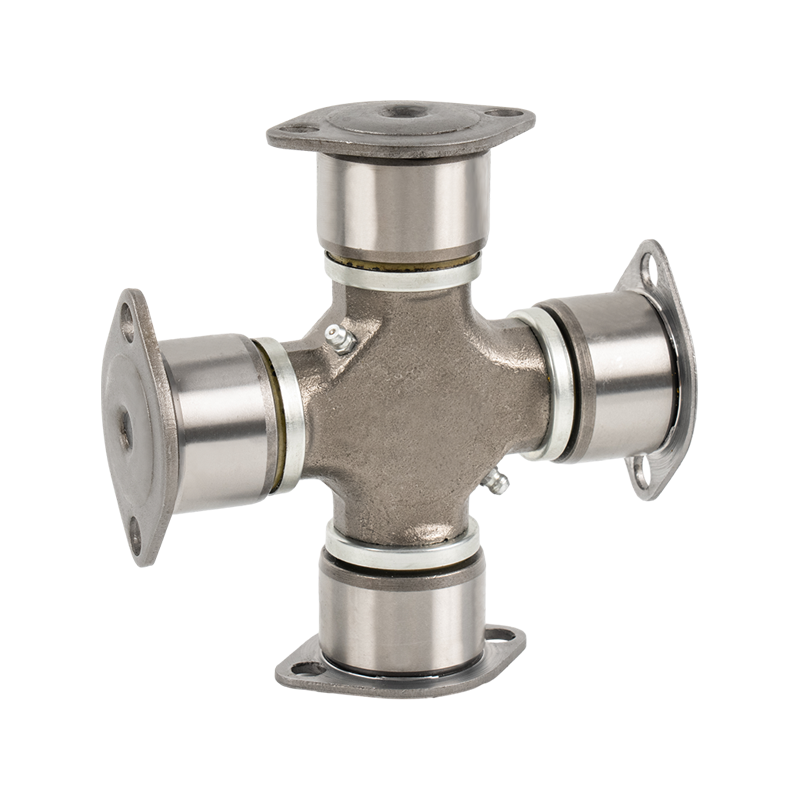
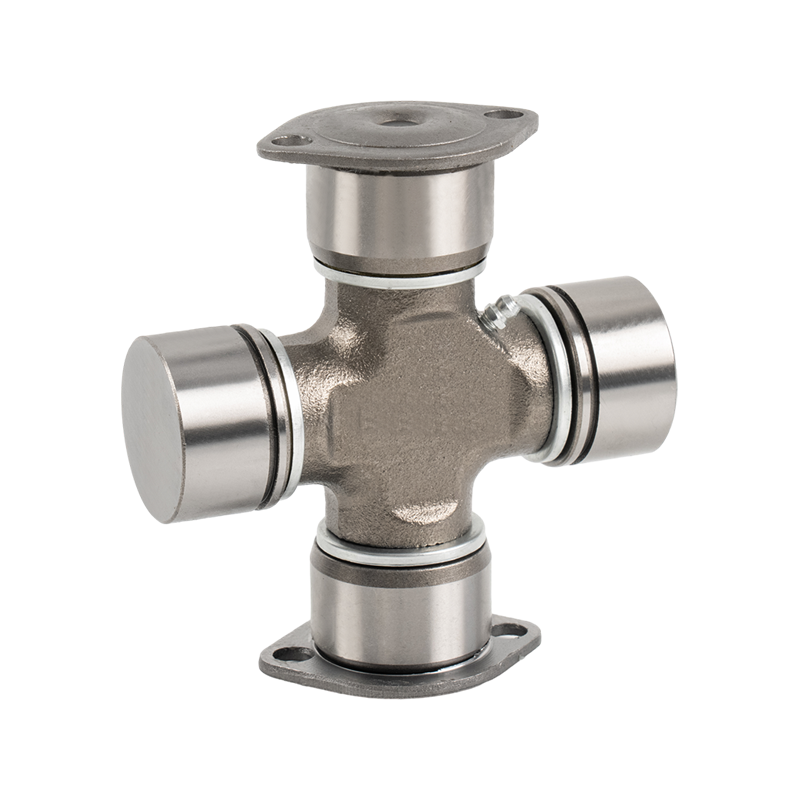
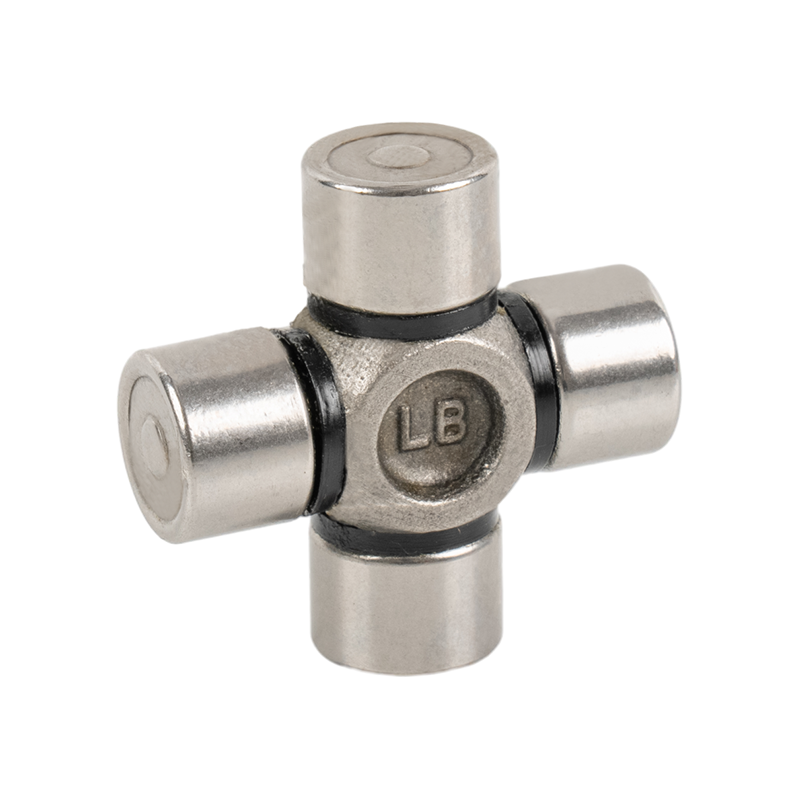
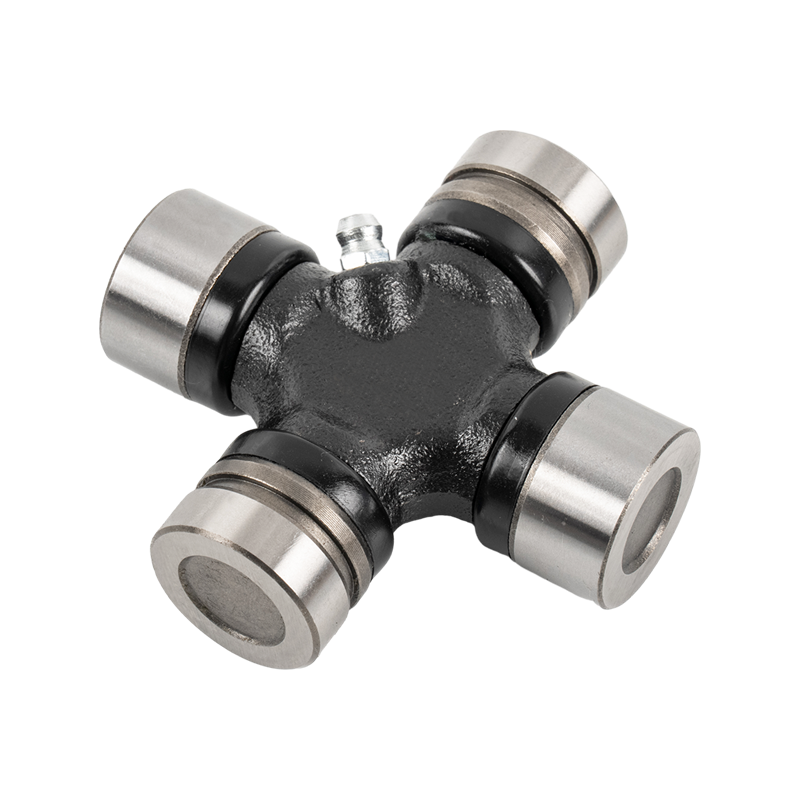
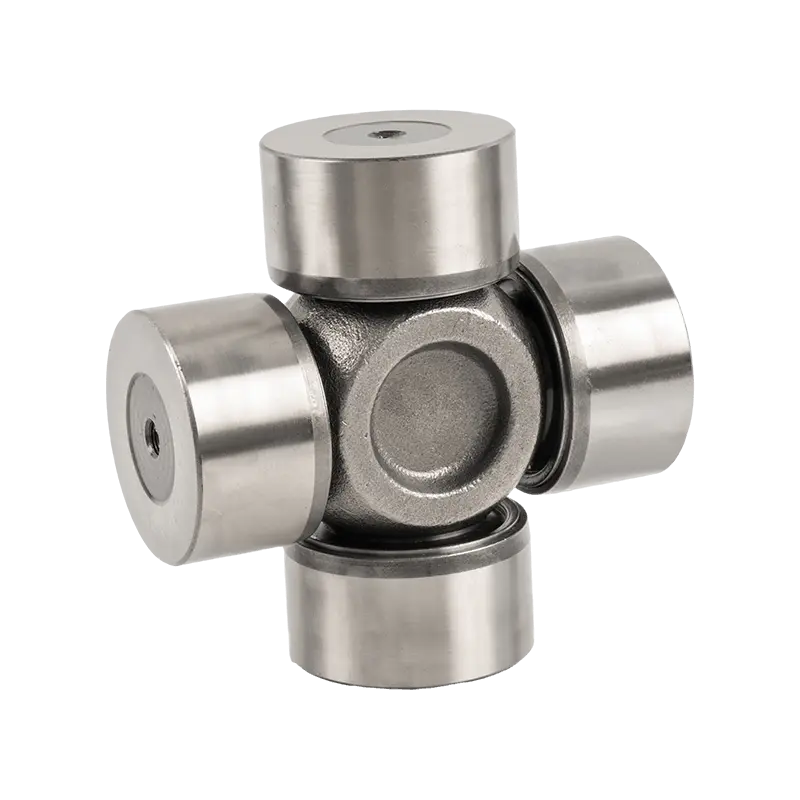
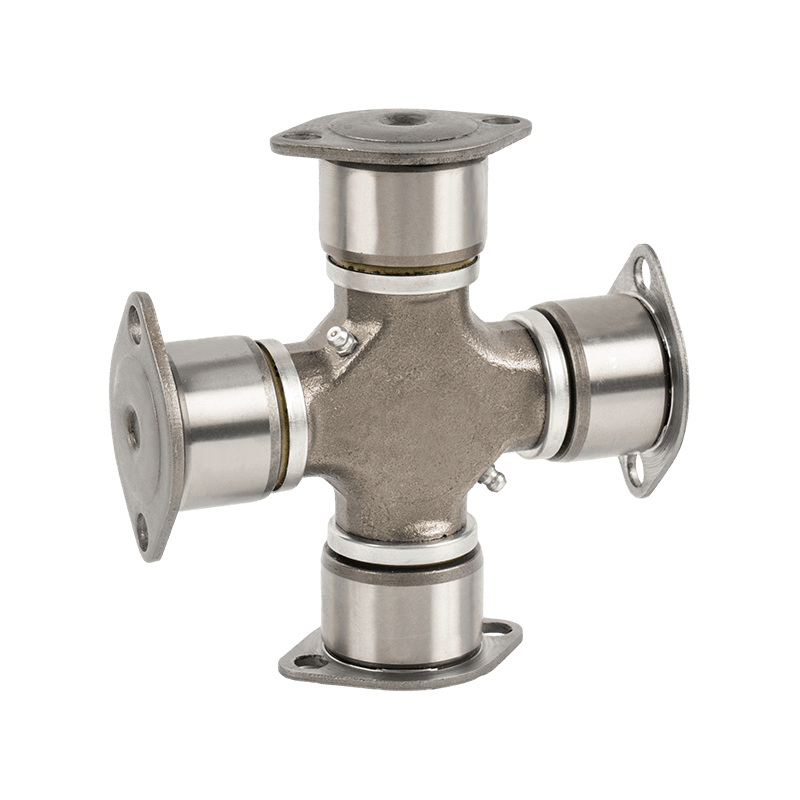
A universal joint is built from a cross-shaped center piece (the "spider") connected to four bearing caps, which link two shaft yokes together. As the driveshaft rotates, the cross pivots within the yokes, allowing the shaft to bend at an angle while still transmitting rotational force smoothly from one section to the next.
This design solves a fundamental mechanical problem: a driveshaft running in a perfectly straight line is rare on a heavy truck, since the transmission and axle rarely sit at the exact same height or angle, especially under variable loads. The U-joint compensates for this angle difference — typically up to 3-5 degrees per joint on most heavy-duty applications — without losing power transfer efficiency.
Why Trucks Use Two U-Joints Per Shaft Section
Most heavy truck driveshafts use U-joints in pairs, one at each end of a shaft section. This paired setup cancels out the small speed fluctuations a single U-joint introduces during rotation, resulting in smoother, more consistent power delivery — a principle known as maintaining a constant velocity across the shaft.
Common Universal Joint Types Used on Heavy Trucks
Not all U-joints are interchangeable, even within the heavy-duty category. Series size, cap style, and bearing design vary based on the truck's torque rating and driveshaft configuration.
| Series | Typical Application | Torque Capacity |
|---|---|---|
| 1310 Series | Light-medium duty trucks | Up to 3,500 lb-ft |
| 1350 Series | Medium-heavy duty trucks | Up to 4,700 lb-ft |
| 1410 Series | Heavy-duty trucks, tandem axles | Up to 6,500 lb-ft |
| 1550/1710 Series | Vocational trucks, heavy hauling | 8,000+ lb-ft |
Full-Round vs. Half-Round Bearing Caps
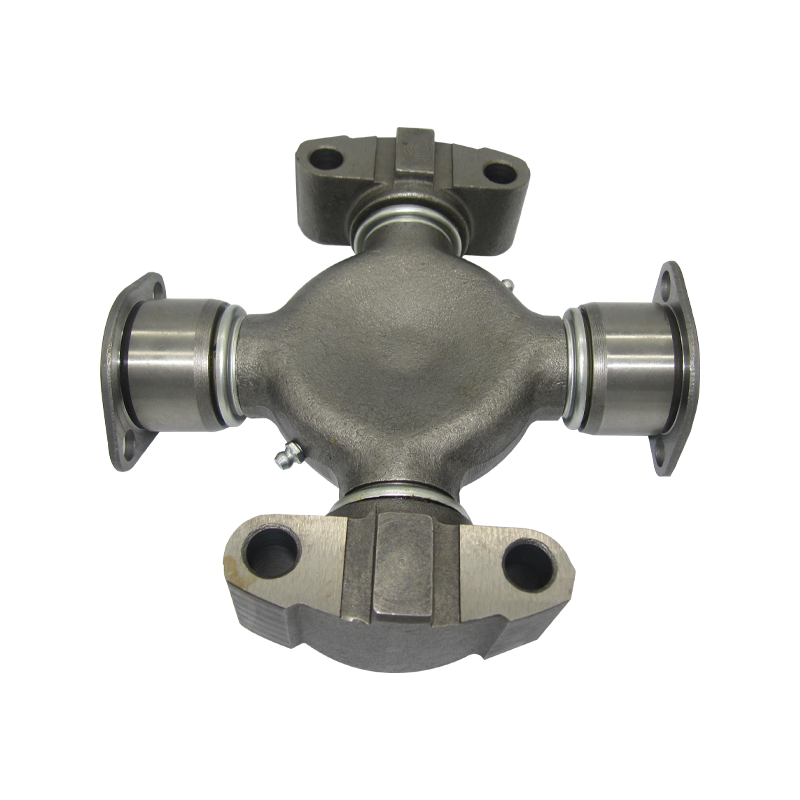
Full-round bearing caps are held in place with U-bolts or straps and are the most common design on heavy trucks because they're easier to service in the field. Half-round caps are pressed directly into the yoke and generally found on lighter-duty applications where field serviceability matters less.
Signs a Universal Joint Is Failing
Catching U-joint wear early prevents a much more expensive failure — a joint that shears completely can damage the transmission tail housing, the axle pinion yoke, or even cause the driveshaft to drop and strike the road at highway speed.
- Clunking or clicking noise during acceleration or when shifting between drive and reverse
- Noticeable vibration that increases with speed, often felt through the cab floor
- Squeaking noise at low speeds, usually indicating a dry or under-greased joint
- Visible rust staining or grease leakage around the bearing caps
- Play or looseness when manually rotating the driveshaft by hand with the truck off
Any detectable play in a U-joint — even a small amount — should be treated as a replacement issue rather than something to monitor, since U-joint wear accelerates rapidly once play begins, unlike gradual wear seen in components like brake pads.
What Causes Premature U-Joint Failure
Most heavy truck U-joint failures trace back to one of a few root causes, several of which are preventable with proper maintenance and driving habits.
Inadequate Lubrication
Lack of grease is the single most common cause of early U-joint failure. Without proper lubrication, the needle bearings inside the joint generate friction and heat, wearing down the cross trunnions until play develops — often within a fraction of the joint's rated service life.
Excessive Operating Angle
Running a driveshaft at an angle beyond the U-joint's rated tolerance — often due to improper suspension height, lift kits, or worn mounts — dramatically shortens joint life. Even a small increase, from 3 degrees to 6 degrees, can cut expected service life by more than half due to the increased stress on the bearing caps during each rotation.
Overloading Beyond Torque Rating
Hauling loads that exceed the truck's rated capacity puts additional torque through the driveline, including the U-joints. Using a joint series rated below the truck's actual torque output — often a mistake made when sourcing cheaper aftermarket parts — is a common cause of failure in high-mileage fleet vehicles.
Maintenance Schedule and Best Practices
Regular grease intervals are the single most effective way to extend U-joint life on a heavy truck. Most fleet maintenance programs recommend greasing driveline U-joints every 15,000-25,000 miles, though vocational trucks operating in dusty, off-road, or extreme-load conditions often need shorter intervals, sometimes every 5,000-10,000 miles.
Proper Greasing Technique
- Wipe the grease fitting clean before attaching the grease gun to avoid pushing dirt into the joint
- Apply grease slowly until fresh grease is visible purging from all four bearing caps
- Rotate the driveshaft partway through greasing to ensure grease reaches all bearing surfaces evenly
- Use a grease rated for the joint's operating temperature and load, not a generic all-purpose grease
Inspection Checklist
During routine service, technicians should check for driveshaft balance, confirm operating angles remain within spec after any suspension work, and inspect bearing caps for scoring or discoloration, which can indicate the joint has been running hot due to inadequate lubrication.
Choosing the Right Replacement U-Joint
Matching series size to the truck's original specification is critical — installing an undersized joint to save on parts cost is one of the most common causes of repeat failures in commercial fleets. Always cross-reference the joint series against the truck manufacturer's driveline specifications rather than relying on physical size alone, since different series can appear visually similar despite very different torque ratings.
For trucks that regularly haul near their maximum rated capacity, it's often worth upgrading to a higher series U-joint than the factory minimum, provided the yoke and driveshaft components are compatible. This added safety margin reduces the risk of failure during peak load conditions, such as steep grades or heavy trailer towing.
Final Takeaway
A heavy truck's universal joint is a small component with an outsized role — it's the flexible link that lets a rigid driveshaft handle constant angle changes without failing under high torque. Staying ahead of wear means greasing on schedule, watching operating angles after any suspension changes, and replacing joints at the first sign of play rather than waiting for a complete failure. Fleets that follow a consistent maintenance and inspection routine typically avoid the costly downstream damage — bent driveshafts, damaged yokes, roadside breakdowns — that comes from ignoring early warning signs of U-joint wear.