

 Language
 中文简体
中文简体
Steering Cross Joint vs. Heavy Truck Universal Joint: Functions, Specs & Care
Content
- 1 What a steering cross joint is and how it works
- 2 Failure symptoms specific to the steering cross joint
- 3 Heavy truck driveline universal joints: how they differ
- 4 SAE series designations and torque capacity for heavy truck U-joints
- 5 Failure symptoms of a heavy truck driveline U-joint
- 6 Maintenance and inspection priorities for both joint types
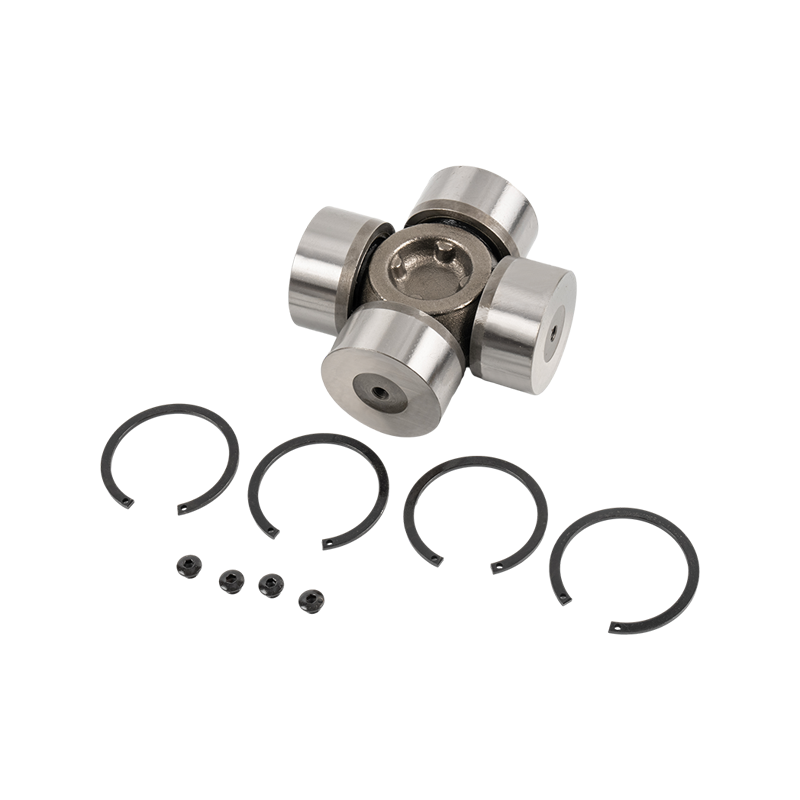
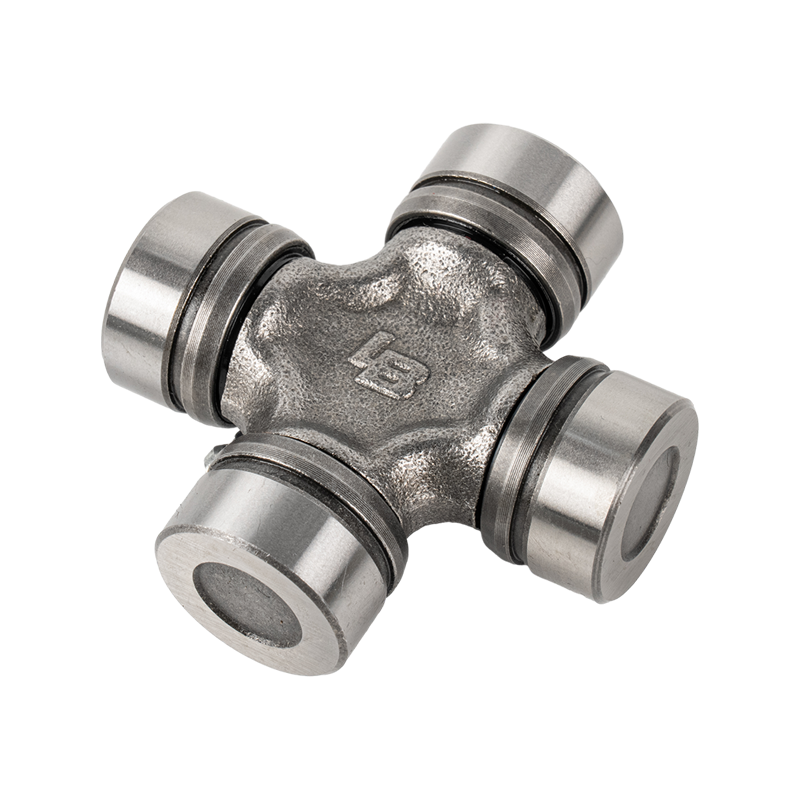
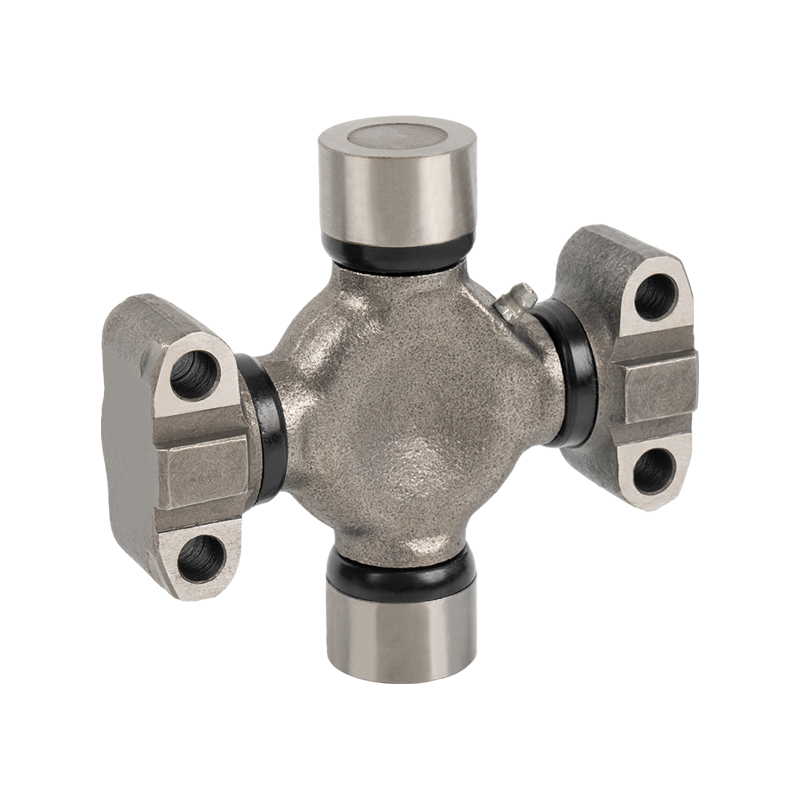
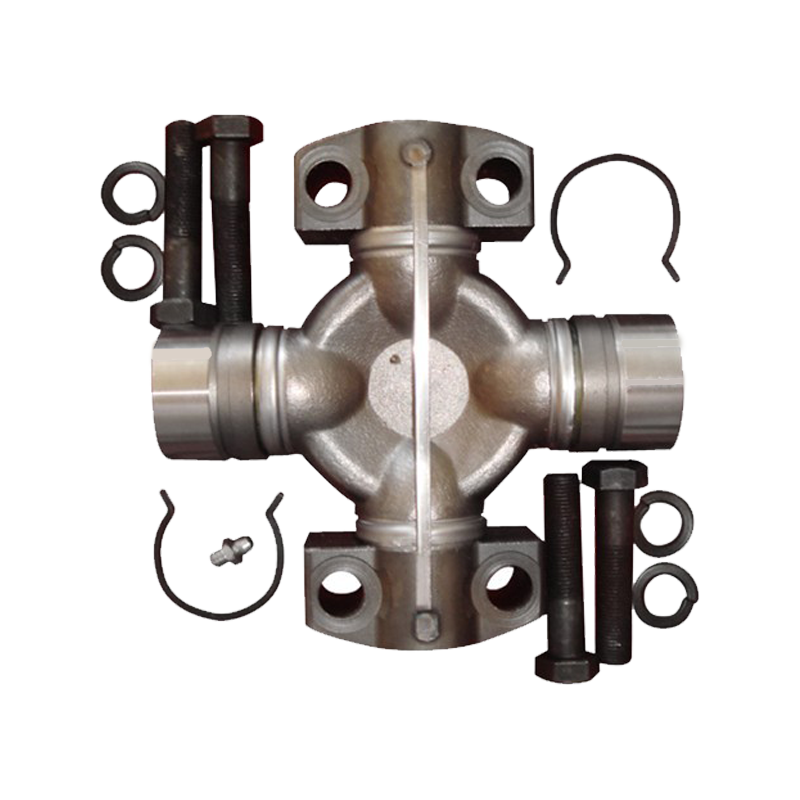
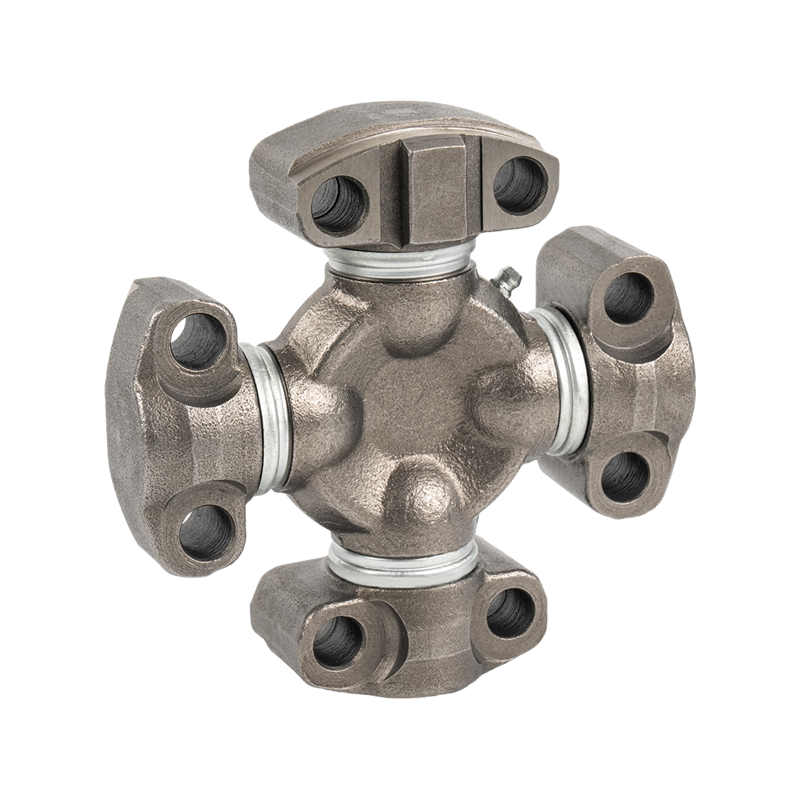
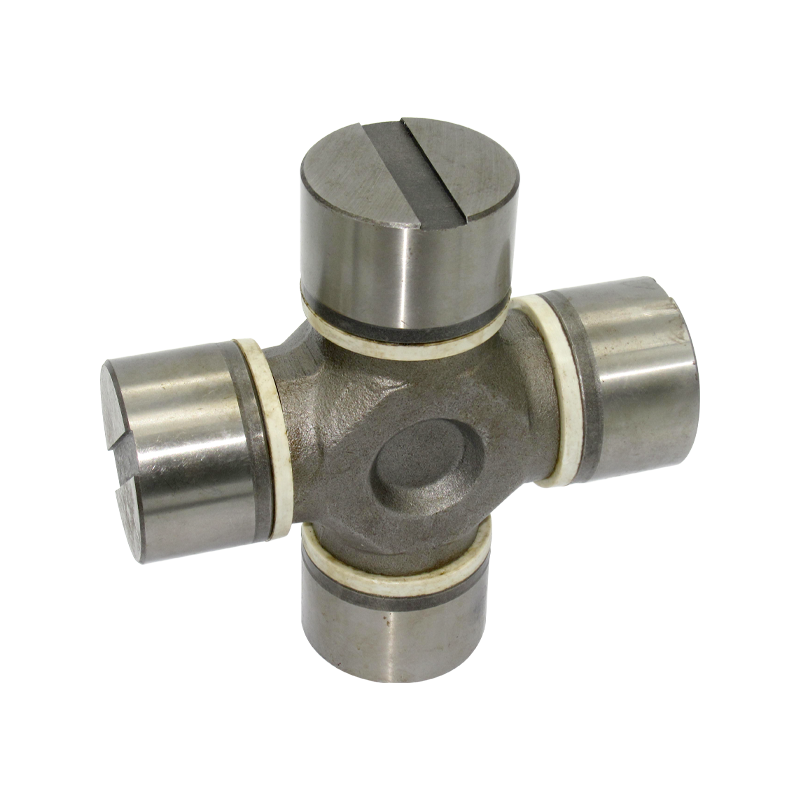
A steering cross joint and a heavy truck driveshaft universal joint are both built around the same four-trunnion cross-and-bearing-cup design, but they serve fundamentally different functions and fail in distinctly different ways. The steering cross joint transmits rotational input from the steering wheel down the column to the rack or gearbox at an angle; the driveline universal joint transmits engine torque from the transmission to the axle through the driveshaft. Getting either one wrong — wrong series, wrong lubrication schedule, or running it beyond its operating angle — leads to premature failure, handling problems, or, in severe cases, complete loss of steering or driveline control.
The sections below cover how each type works, how to identify failure early, and what specifications matter most when selecting or maintaining them on heavy trucks.
What a steering cross joint is and how it works
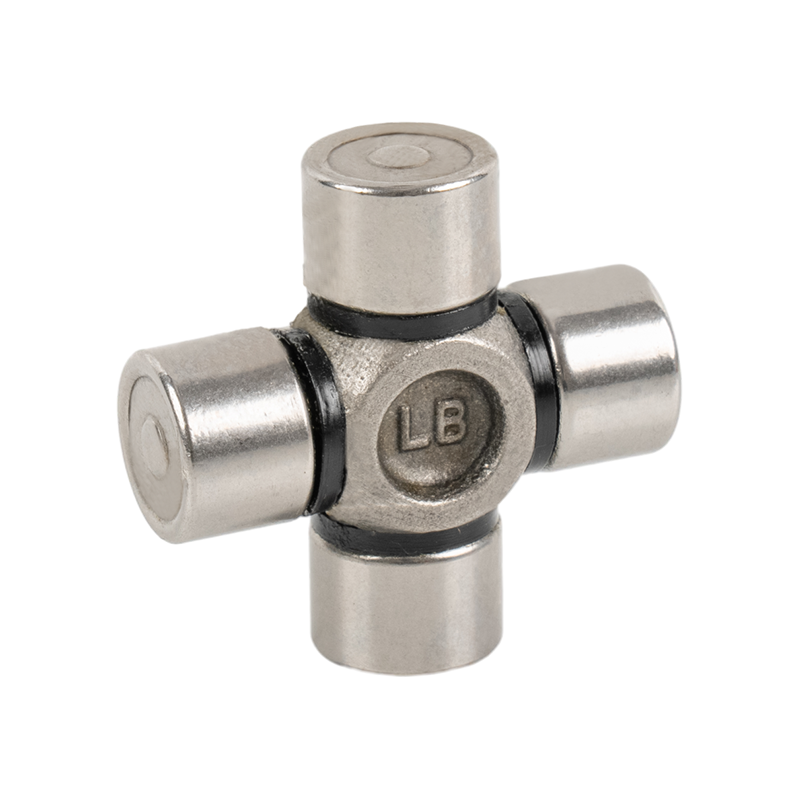
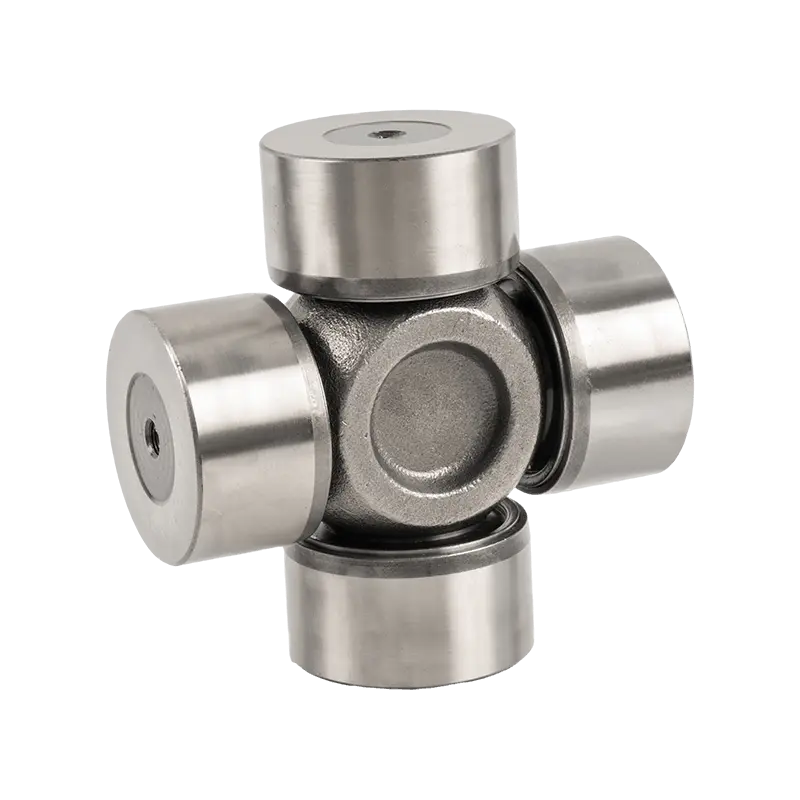
The steering cross joint, also called a steering shaft U-joint or intermediate shaft universal joint, sits between the steering wheel column and the steering rack or gearbox. Its job is to transmit the driver's rotational input continuously and smoothly across the angle formed between the steering column and the steering gear — an angle that exists in virtually every vehicle because the column cannot run in a perfectly straight line from the steering wheel to the rack.
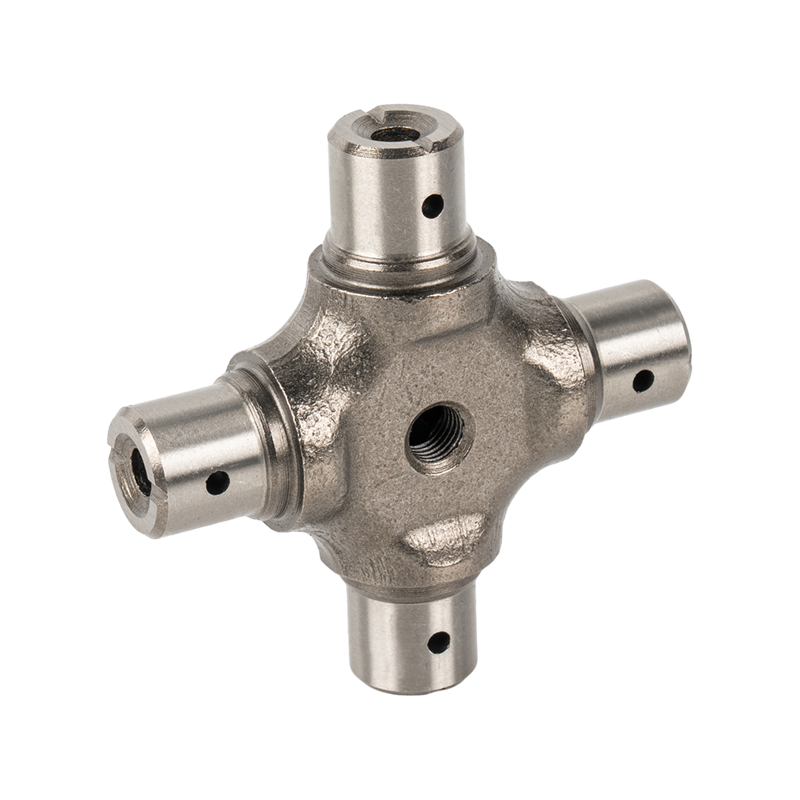
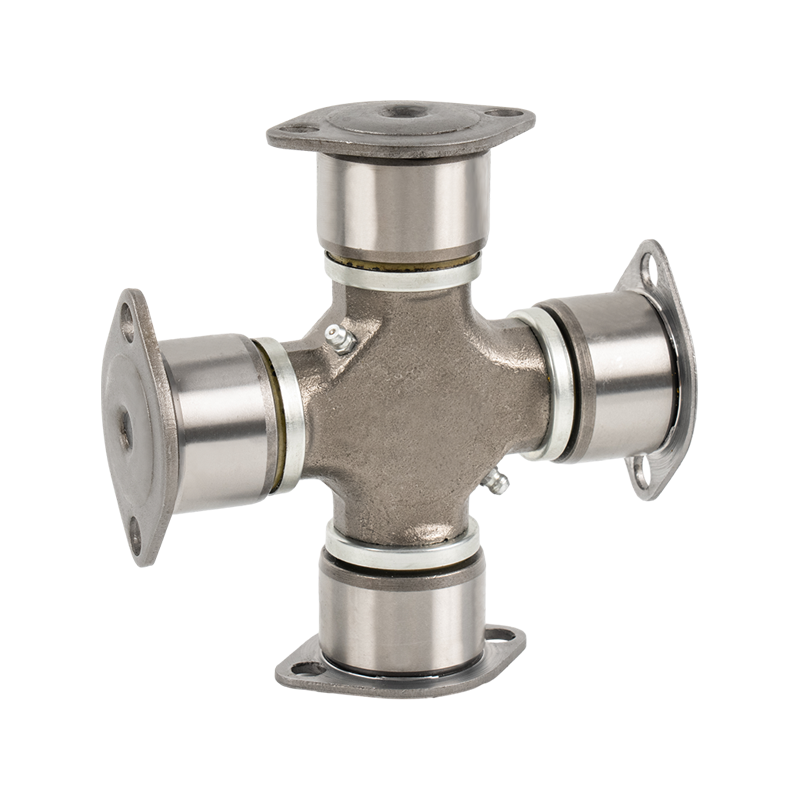
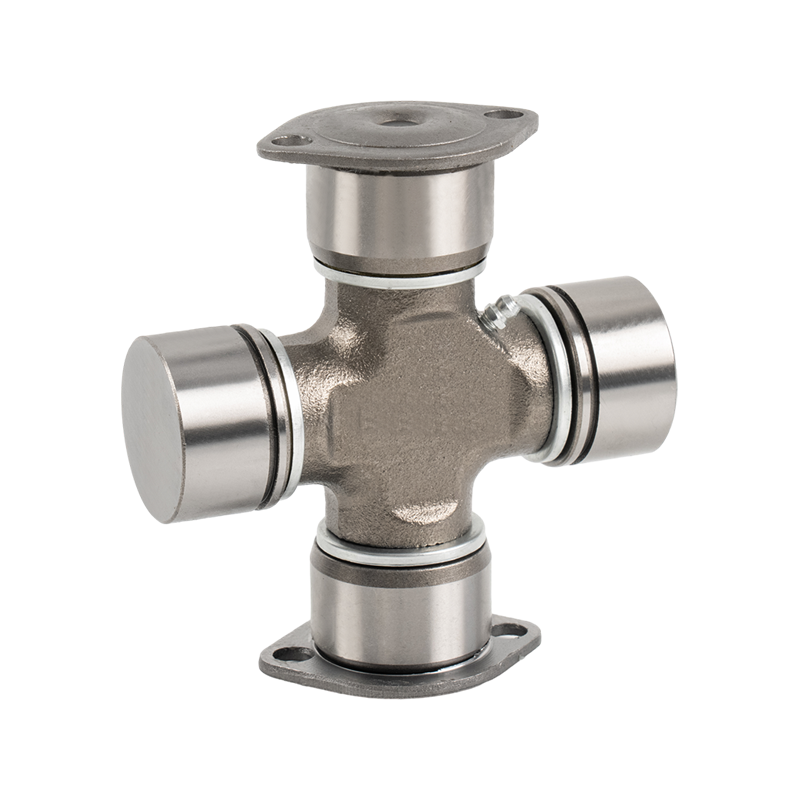
Inside the joint, a cross-shaped piece (the spider or cross) pivots within four bearing cups, each packed with needle bearings. As the steering shaft rotates, the cross transmits that rotation through the angle change without binding or speed variation, allowing the driver to feel natural steering feedback rather than mechanical stiffness or dead spots.
Single versus double (DD) steering U-joints
Most passenger and light commercial vehicles use a single steering U-joint, which handles shaft angles up to approximately 35 degrees. Where the column geometry requires an angle between 35 and 70 degrees — common in lifted trucks, custom steering column installations, and some cab-over heavy trucks — a double Cardan (DD) joint or a telescoping intermediate shaft with two U-joints is used to split the larger angle into two smaller ones, keeping each individual joint within its smooth-operating range.
Failure symptoms specific to the steering cross joint
Because the steering cross joint operates under relatively low torque compared to a driveshaft U-joint, it rarely fails with dramatic noise or sudden breakage. It more commonly degrades gradually, and the symptoms are specific enough to distinguish from other steering system problems.
- Binding at one specific steering angle: A steering wheel that becomes momentarily stiff or hard to turn at one particular position — then easy again — is the most diagnostic symptom of a worn steering U-joint. This happens because one dry or corroded needle bearing seizes as it passes through that position in its rotation
- Clunking or clicking when turning: A loose or dry joint produces a distinct knock or click during slow steering inputs, particularly when changing direction from lock to lock
- Excess free play in the steering wheel: A worn joint introduces looseness that translates to excessive rotational play at the wheel before any actual road-wheel movement occurs — the driver must correct the wheel constantly to hold a straight line
- Rattling over rough surfaces: The lower steering shaft U-joint, located inside the engine bay, is exposed to heat cycles and moisture. A loose or partially seized joint transmits road shock as a rattle through the column
The distinction between a steering U-joint problem and a power steering pump problem is practical: if the stiffness occurs at one specific angle only, it is the U-joint. If the steering feels uniformly heavy at all positions, the power steering pump or fluid level is the more likely cause.
Heavy truck driveline universal joints: how they differ
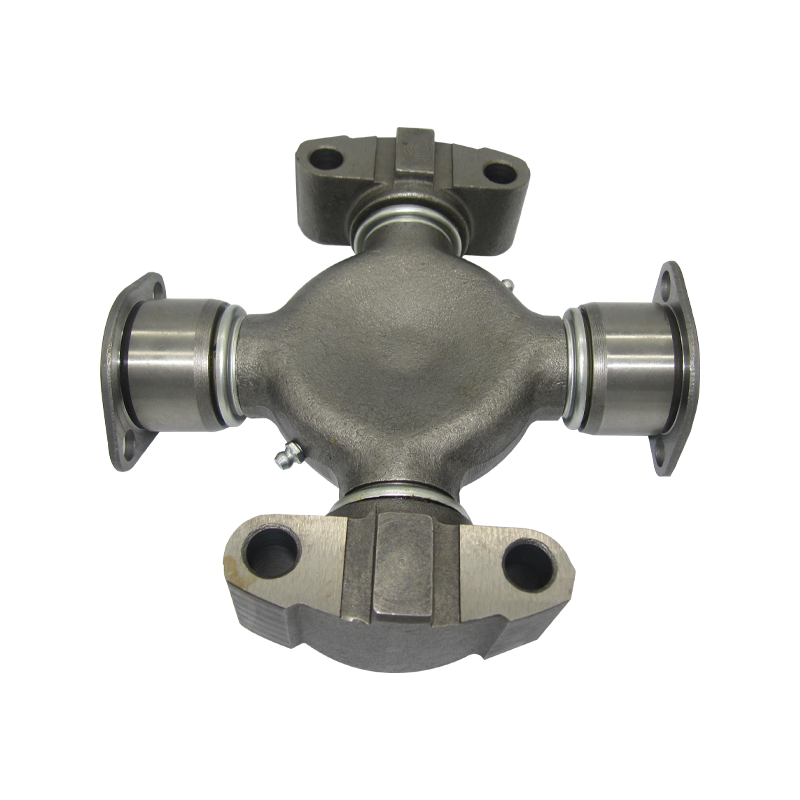
In heavy trucks, the driveshaft universal joint operates under completely different mechanical demands. It must transmit the full drivetrain torque of the engine — potentially several thousand pound-feet on a loaded semi or vocational truck — continuously, at speed, through operating angles that change with suspension articulation and load. Where a steering cross joint handles low torque at modest angles, a heavy truck driveline U-joint handles extreme torque at varying angles over millions of cycles.
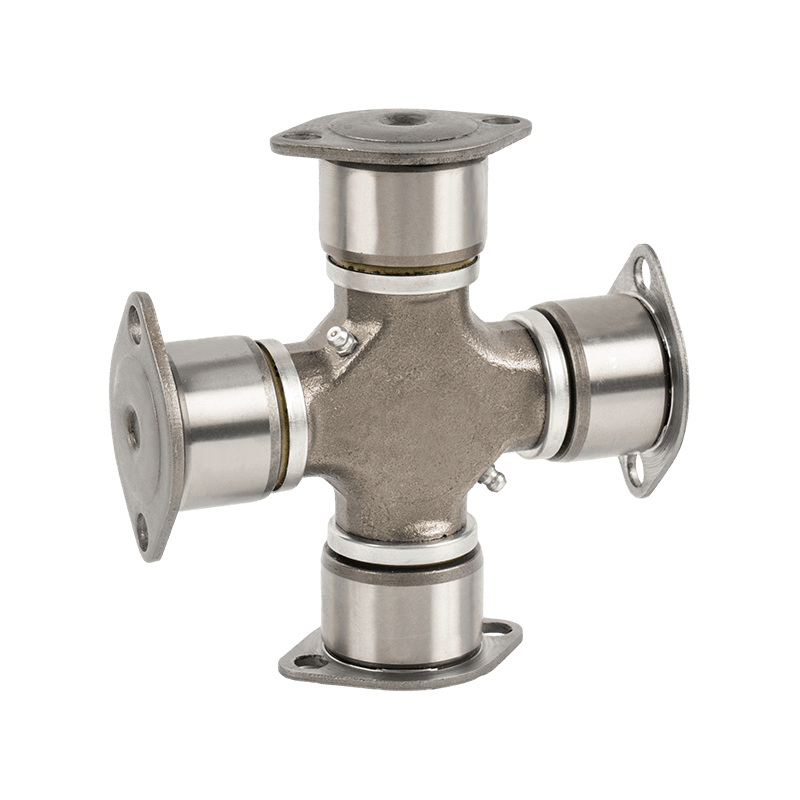
The internal architecture is the same — a cross with four bearing cups — but the components are substantially larger, the needle bearings are more numerous and more precisely ground, and the sealing system is more robust to keep lubricant in and contaminants out under road spray, water crossings, and heavy dust environments.
Greaseable versus sealed joints
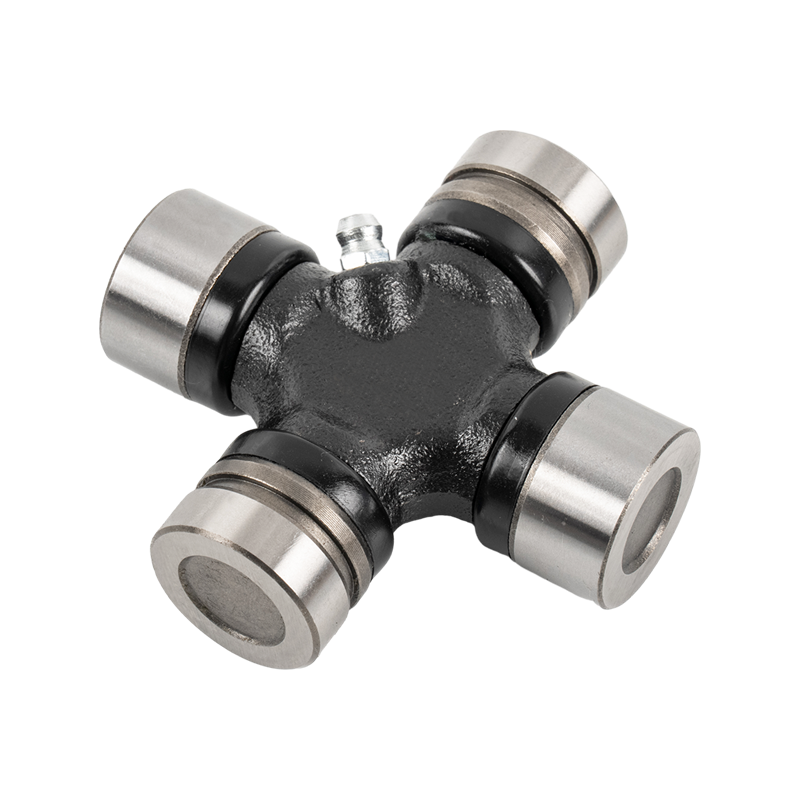
Heavy truck driveline U-joints come in two lubrication configurations. Greaseable joints have a grease fitting (Zerk) on the cross that allows fresh grease to be pumped into the bearing cups periodically, purging contamination and replenishing the lubricant film. Sealed joints are factory-packed and require no maintenance greasing but cannot be serviced if contamination enters — when they fail, they are replaced rather than re-greased. For heavy commercial trucks operating in wet, muddy, or high-temperature conditions, greaseable joints are standard because the grease acts as both lubricant and a positive barrier against moisture entry.
SAE series designations and torque capacity for heavy truck U-joints
Heavy truck driveline U-joints are manufactured to SAE series designations that define the physical dimensions of the cross and bearing cups and, by extension, the torque capacity of the joint. Selecting the wrong series for the truck's engine torque output is one of the most common errors in driveshaft repair and leads to rapid failure regardless of how well the joint is maintained.
| SAE Series | Continuous torque (lb-ft) | Short-duration torque (lb-ft) | Typical application |
|---|---|---|---|
| 1310 | 400 | 800 | Light trucks, Jeeps, half-ton pickup driveshafts |
| 1350 | 680 | 1,240 | 3/4-ton and 1-ton pickups, moderate towing |
| 1410 | 820 | 1,500 | HD pickup trucks with high-output diesel engines |
| 1480 | 1,100 | 2,000 | Medium-duty trucks, vans, light commercial |
| 1610 | 2,200 | 3,650 | Class 6–7 trucks, refuse vehicles, construction |
| 1710 | 2,930 | 4,800 | Class 8 semi-trucks, heavy vocational trucks |
| 1810 | 3,800 | 6,500 | Heavy tandem-axle and multi-axle applications |
The operating angle rule for all series is consistent: the greater the operating angle, the lower the usable torque capacity and service life. A joint running at 5 degrees of operating angle will wear significantly faster than the same joint at 3 degrees even at identical torque loads, which is why driveshaft installation on heavy trucks includes checking and correcting the pinion and transmission output angles, not just installing the shaft and hardware.
Failure symptoms of a heavy truck driveline U-joint
Driveline U-joint failure in heavy trucks announces itself differently from steering joint failure. The forces involved are higher and the consequences of ignored symptoms are more severe, up to and including complete driveshaft separation.
- Rhythmic vibration that increases with speed: A worn joint causes the driveshaft to spin slightly out of balance, producing a vibration felt through the seat, cab floor, or steering wheel that worsens as road speed increases and may lessen at certain resonant speeds
- Shuddering during power application: A jerking or shuddering sensation when pulling away from a stop or applying throttle under load indicates a joint that can no longer smoothly transmit torque — common when a joint is severely worn or a bearing cup has begun to walk out of its bore
- Squeaking or clunking at low speed: A dry joint produces a rhythmic squeak during slow maneuvering; a loose or cracked joint produces a clunk or bang during engagement
- Visible grease loss around the joint: Grease thrown onto the underside of the truck near the driveshaft indicates a failed seal on a bearing cup, the first physical sign that the joint is past its service interval
Maintenance and inspection priorities for both joint types
The maintenance requirements for steering cross joints and heavy truck driveline U-joints differ substantially because their operating environments differ.
Steering cross joints
Most modern steering shaft U-joints are sealed at the factory and labeled maintenance-free. In many cars and light trucks they last the life of the vehicle without service. The failure mode is almost always moisture ingress and corrosion rather than lubrication depletion, which is why the lower steering shaft joint — located in the engine bay and exposed to heat cycles, road spray, and occasional pressure washing — fails far more often than the upper joint. Inspection involves holding the column firmly and feeling for any play at the joint, and slowly rotating the steering wheel while feeling for any binding or rough spot through one full rotation.
Heavy truck driveline U-joints
For heavy commercial trucks with greaseable driveshaft joints, dry joints are the leading cause of premature U-joint failure, and it is entirely preventable with a consistent lubrication program. The practical checklist for heavy truck U-joint maintenance:
- Grease each Zerk fitting at every scheduled PM interval — the grease must purge visibly from the bearing cup seals to confirm the passages are clear and contamination is being expelled
- Inspect the driveshaft for rust streaks, dried grease, or grease-flung marks during every under-truck inspection, as these indicate a failed seal before the joint becomes audibly symptomatic
- Check the operating angle at the transmission output and pinion yoke whenever the truck's ride height changes — payload, suspension modifications, or worn air bags all change operating angles and accelerate joint wear
- Confirm the correct SAE series for any replacement joint against the truck's engine torque specification, not just the physical dimensions; a dimensionally matching but lower-rated series joint will fail rapidly under full load
- Replace U-joints in pairs on a two-joint driveshaft — if one joint has worn enough to require replacement, the other has been exposed to the same service conditions and will often fail shortly after