

 Language
 中文简体
中文简体
Bad Steering U Joint Symptoms: How to Tell When Your Universal Joint Is Failing
Content
- 1 What a Steering U Joint Actually Does
- 2 The Two Failure Patterns You'll Actually Feel
- 3 Symptoms Checklist: Steering U Joint vs. Other Steering Problems
- 4 Steering U Joint vs. Driveshaft U Joint: Don't Confuse the Two
- 5 Why U Joints Fail: The Angle and Lubrication Factors
- 6 How Long Do Steering U Joints Last?
- 7 What Happens If You Keep Driving on a Bad Steering U Joint
- 8 Inspecting a Steering U Joint: What to Look and Listen For
- 9 Replacing a Steering U Joint: What to Expect
- 10 Bottom Line
Short answer: A worn steering U joint typically announces itself with a clunk or pop when you turn the wheel, a stiff or notchy feel at certain steering angles, or excess play before the front wheels respond. It's caused by dried-out or corroded needle bearings inside the joint — most often the lower joint near the engine bay, where heat and moisture reach it first. Left alone, it can progress from an annoying noise to a genuine loss of steering control, so it's worth acting on the first symptom rather than the third.
What a Steering U Joint Actually Does
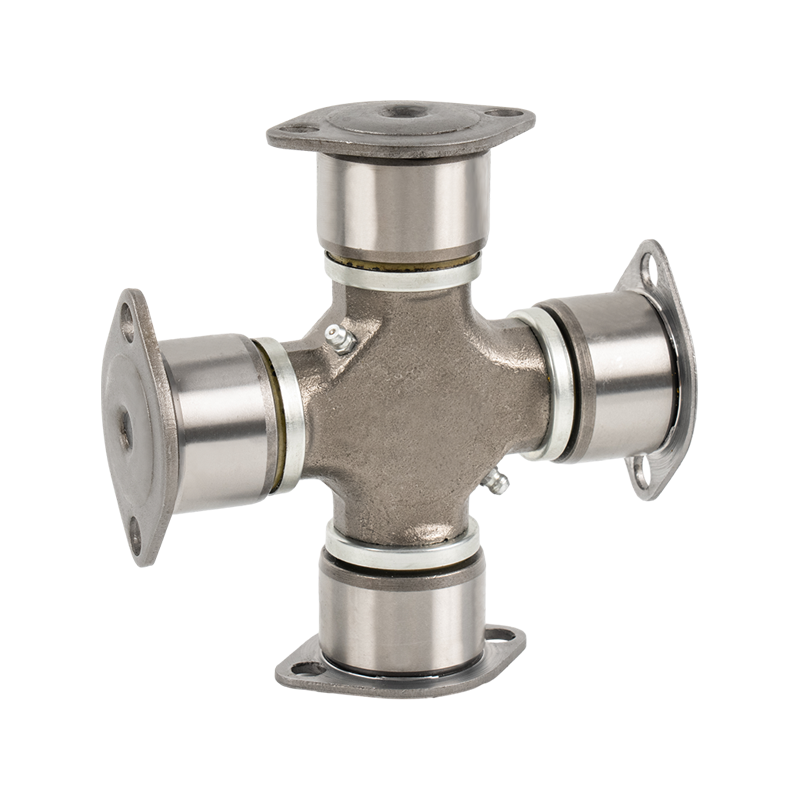
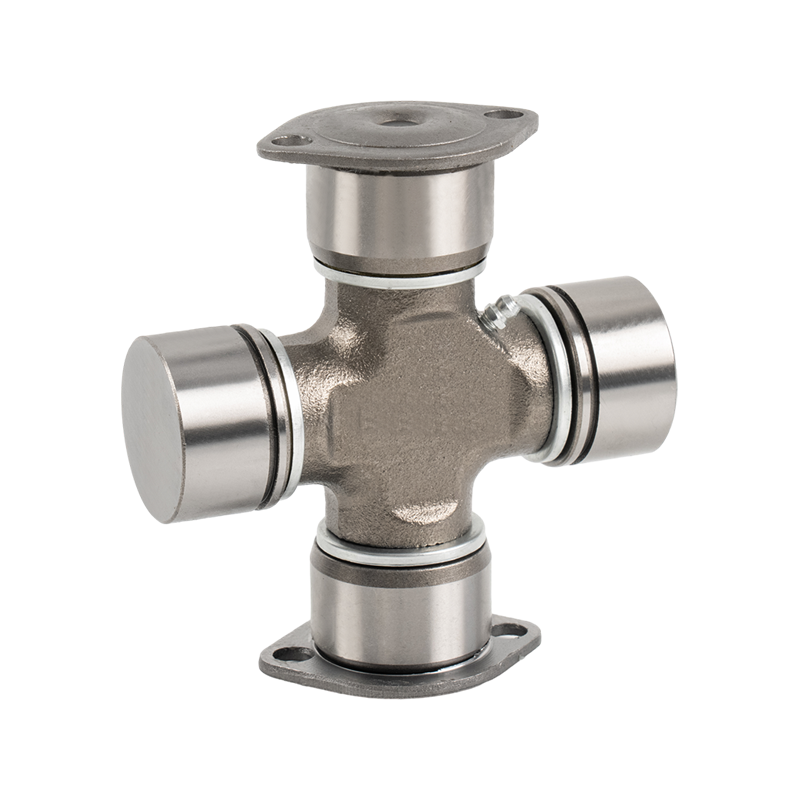
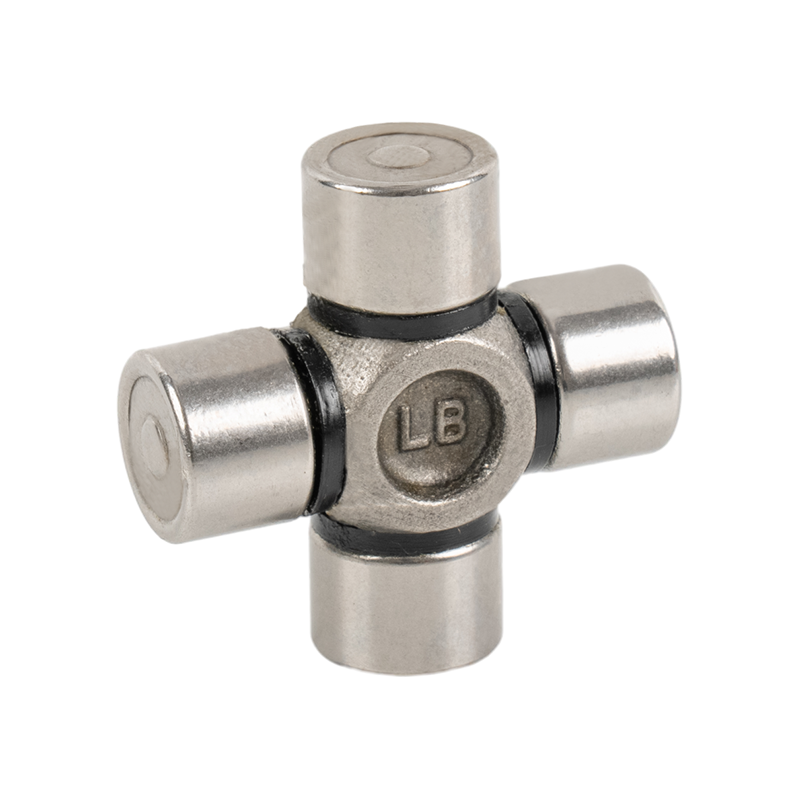
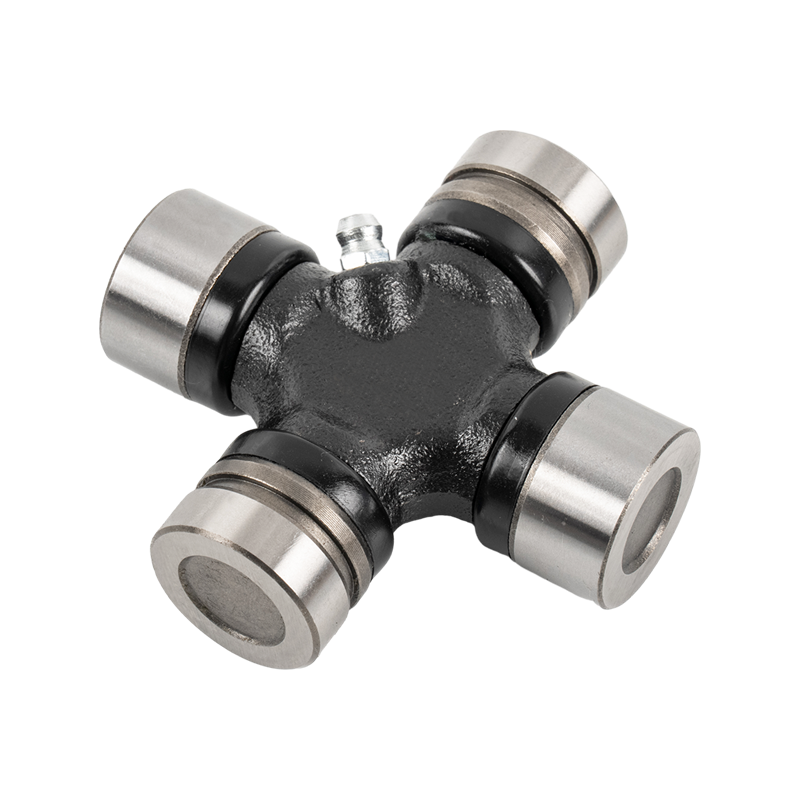
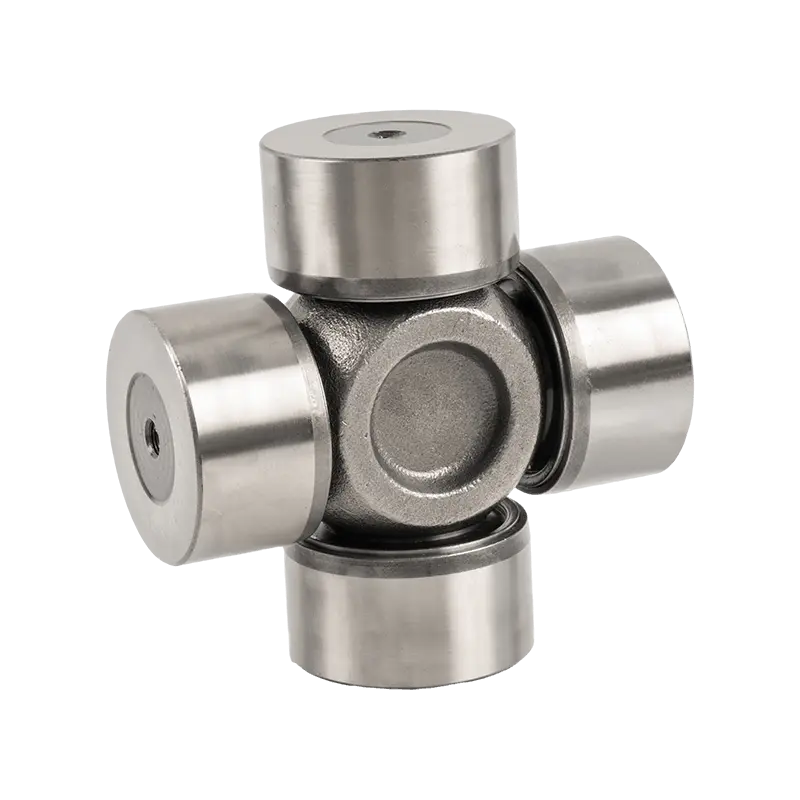
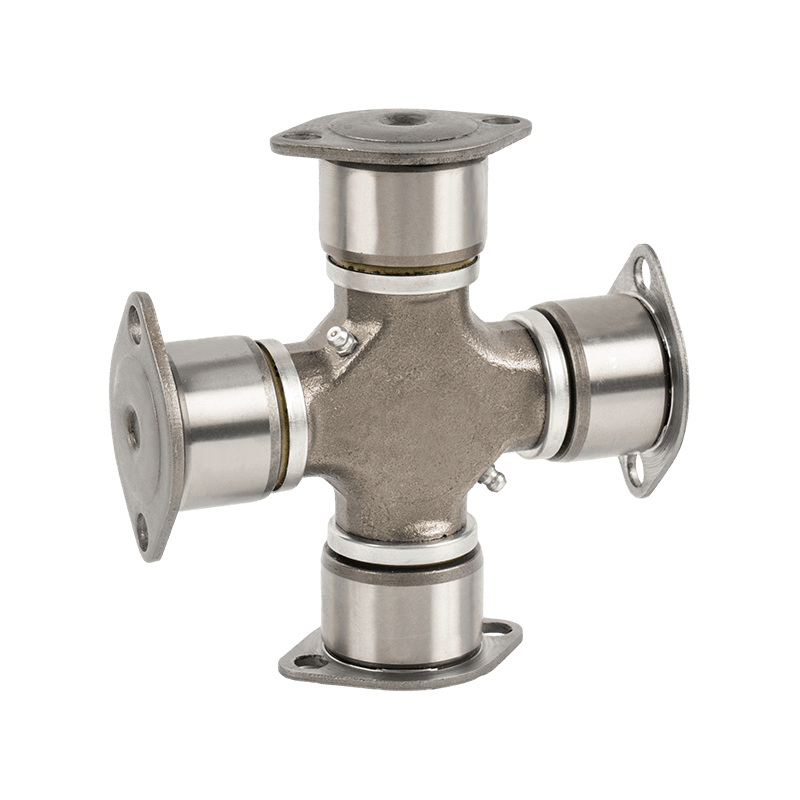
The steering universal joint — often shortened to steering U joint — sits in the steering shaft between your steering wheel and the rack-and-pinion or steering gearbox. Its job is to let that shaft change direction and flex slightly, since the column rarely lines up in a perfectly straight path with the steering rack below it. It enables smooth and flexible turning of your vehicle even when the steering column isn't perfectly aligned with the steering gear.
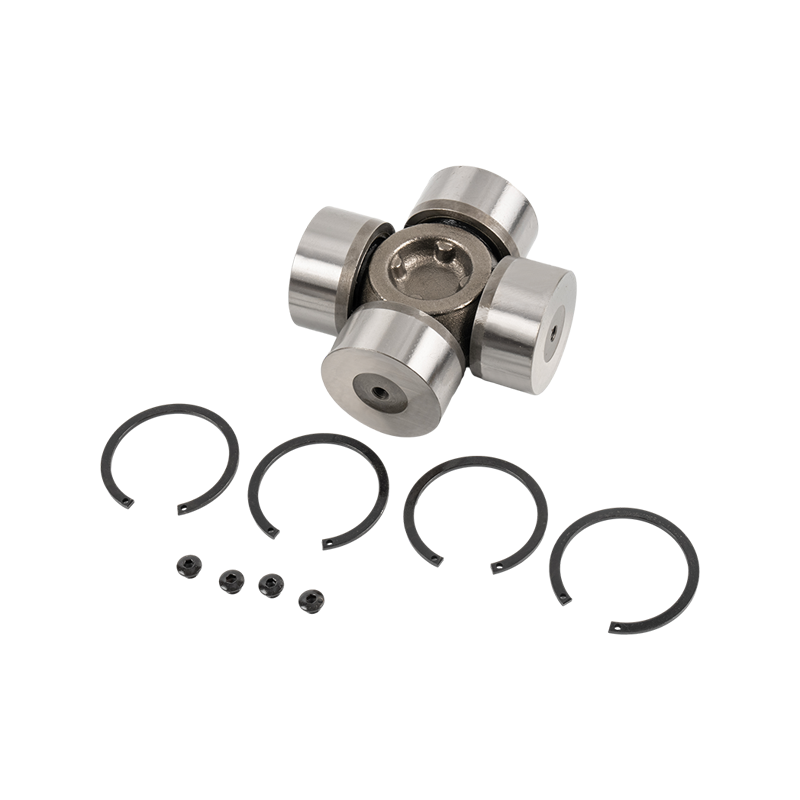
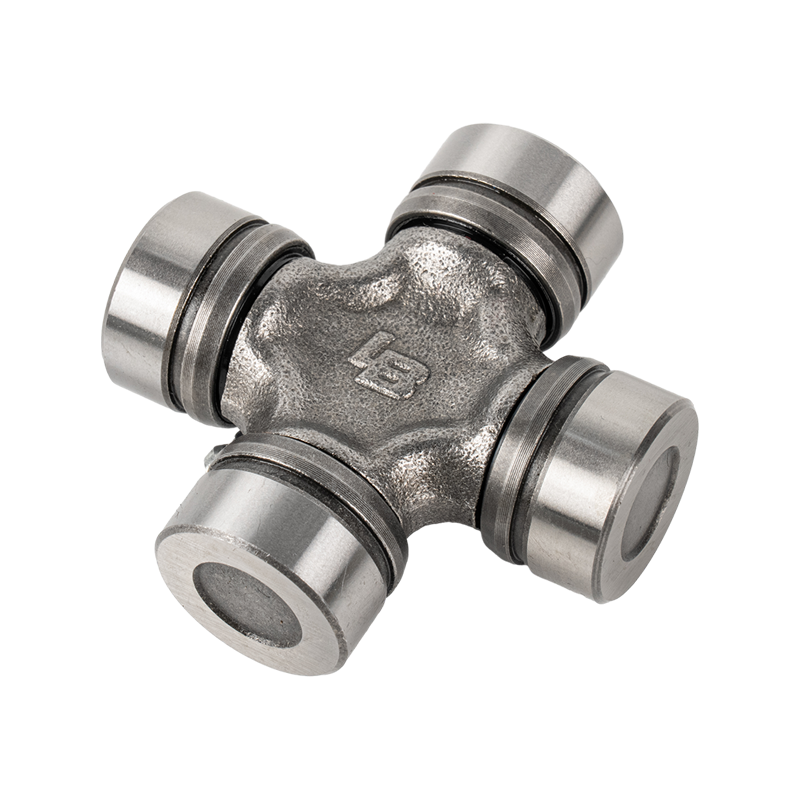
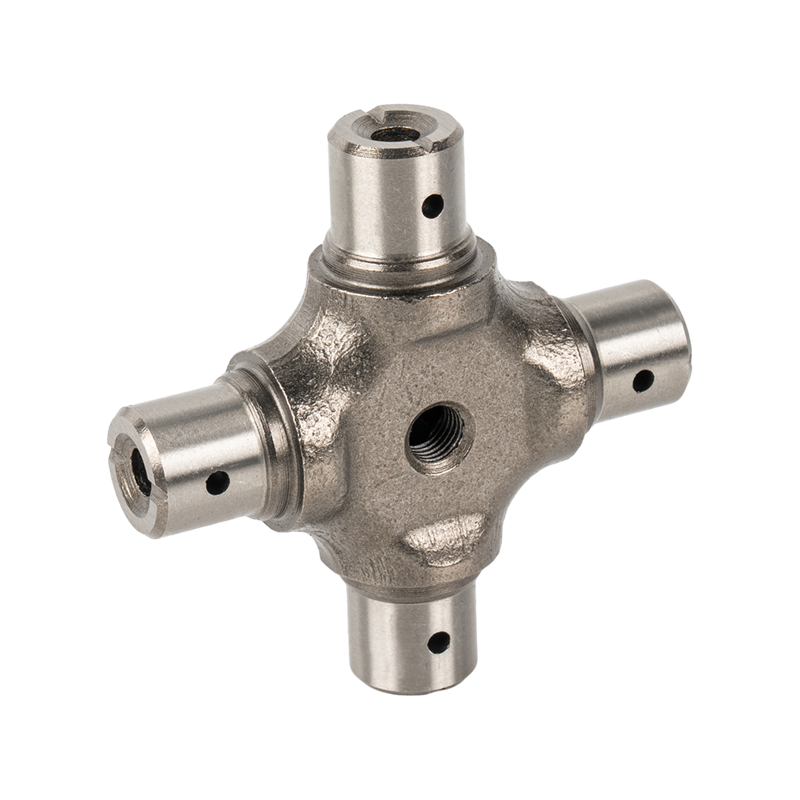
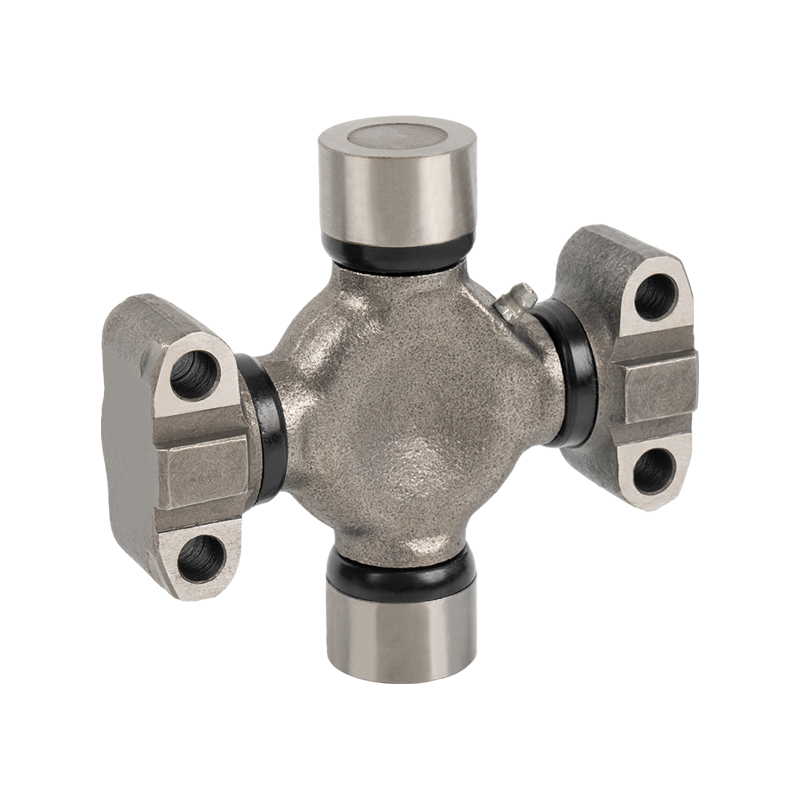
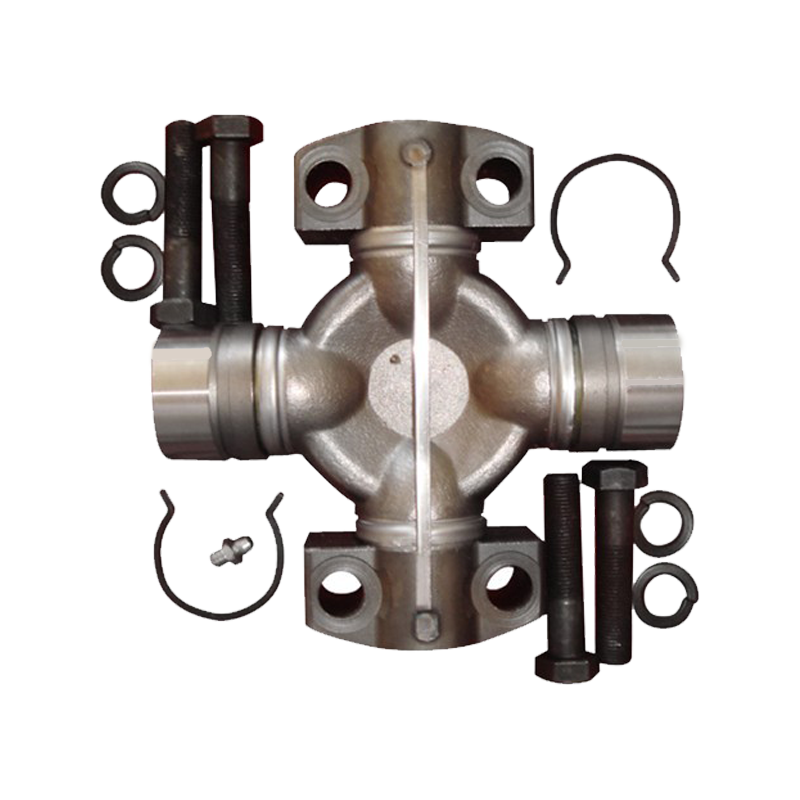
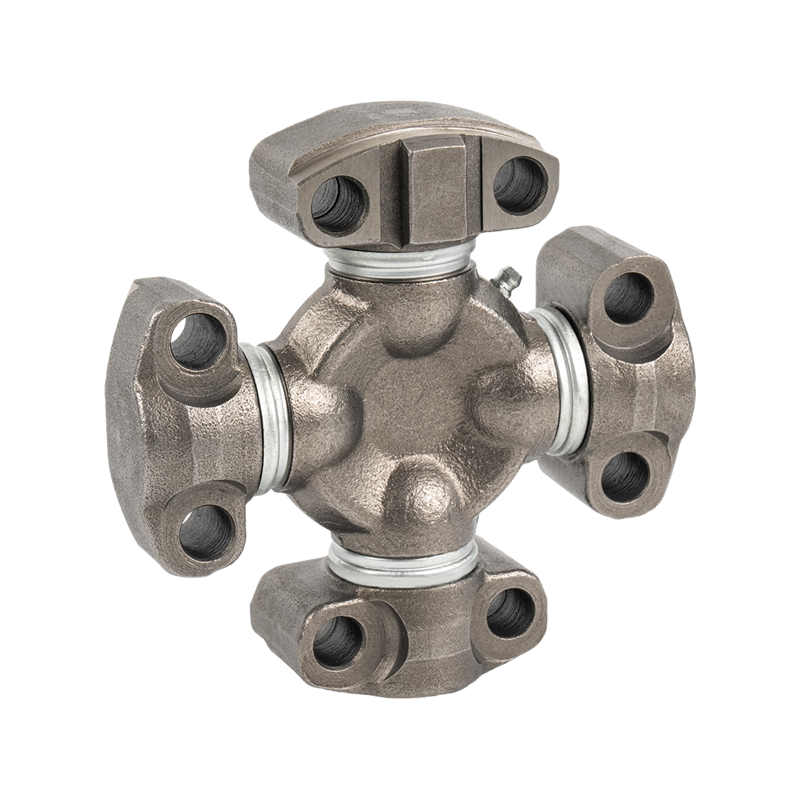
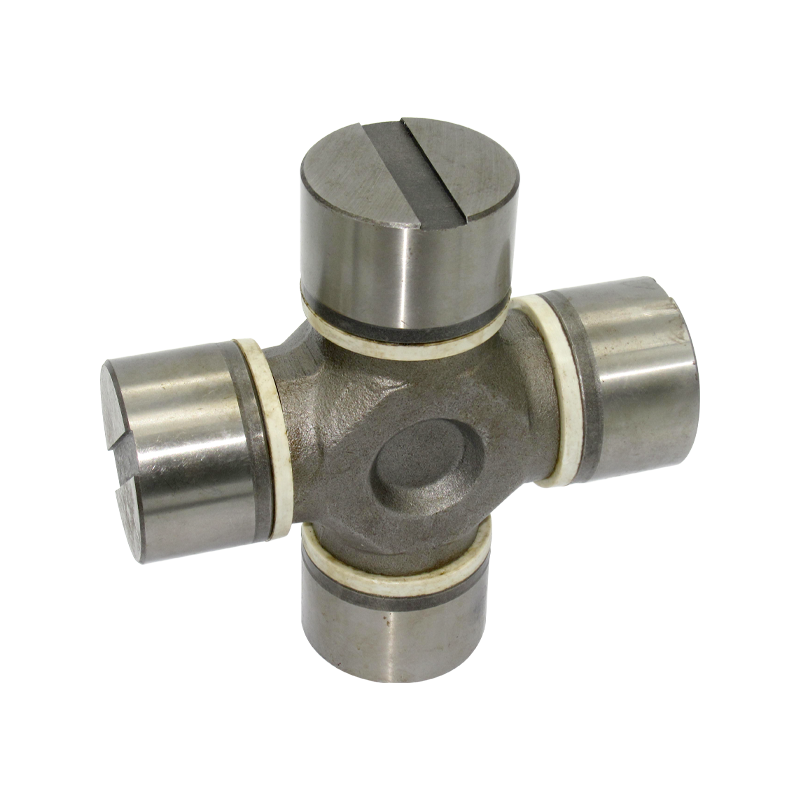
Mechanically, it works like the joints in your own limbs: it allows a wide range of movement without compromising strength or stability. Inside the joint, four needle bearings packed in grease let the two shaft ends pivot against each other while still transmitting full rotational force. It's a sealed, low-maintenance part — in many cars, it can last for the lifetime of the vehicle — but "low-maintenance" is not the same as "never fails."
The Two Failure Patterns You'll Actually Feel
Steering U joint failure doesn't look like one thing. Based on how the joint physically degrades, it shows up as one of two distinct patterns behind the wheel, and knowing which one you're dealing with helps narrow down severity.
Pattern 1: The Joint Seizes
One or more needle bearings corrode or dry out and start to bind. The steering may become stiffer or jam at certain angles when rotated, often paired with a popping or clunking noise while turning. This tends to happen gradually, at specific points in the steering rotation rather than everywhere.
Pattern 2: The Joint Loosens
If the joint is worn out or a bearing is corroded or damaged, it causes looseness in the steering — the wheel feels loose and you're constantly correcting to keep the vehicle driving straight, with noticeable free play when turning side-to-side.
Both patterns trace back to the same root cause. The most common problem with steering U joints is when grease in one of the needle bearings dries out, or when moisture causes corrosion. This most often happens to the lower steering shaft U joint, since it sits inside the engine bay — closer to heat cycling, road spray, and under-hood moisture than the upper joint near the dash.
Symptoms Checklist: Steering U Joint vs. Other Steering Problems
Steering symptoms overlap across several components — tie rods, ball joints, wheel bearings, and the steering U joint can all produce a clunk or looseness. Here's what points specifically toward the U joint.
- Clicking or popping specifically while turning — clicking during turns is a symptom tied specifically to steering U joints, as opposed to a constant noise regardless of steering input.
- Increased steering effort — the wheel takes noticeably more force to turn than it used to, especially at low speed or full lock.
- Inconsistent steering feel — the resistance changes depending on where you are in the steering rotation, rather than staying smooth throughout.
- Steering wheel vibration — a shake felt through the wheel itself, distinct from a driveshaft vibration felt through the floor.
- Grinding or creaking on turns — a creak when turning, especially at low speed or full lock, points to friction building inside a worn joint.
Steering U Joint vs. Driveshaft U Joint: Don't Confuse the Two
Your vehicle likely has more than one type of universal joint, and mixing them up leads to chasing the wrong repair. Here's the practical difference.
| Feature | Steering U Joint | Driveshaft U Joint |
|---|---|---|
| Location | Steering column/shaft, between wheel and rack or gearbox | Driveshaft, connecting transmission to differential/axle |
| Triggers the noise | Turning the steering wheel | Shifting gears, accelerating, or road bumps |
| Classic symptom | Clunk or stiffness while turning | A "clunk and ring" when shifting from drive to reverse |
| Safety impact if ignored | Reduced steering control, potential loss of directional accuracy | Driveshaft separation and total loss of power to the wheels in severe cases |
| Typical replacement cost | Varies by vehicle; often a coupling assembly | $180–$650 depending on vehicle and labor |
Why U Joints Fail: The Angle and Lubrication Factors
U joints aren't designed to run at just any angle indefinitely. This matters for driveshaft joints especially, but the underlying principle — excess operating angle shortens joint life — applies to the geometry of any U joint under load.
For vibration-free performance, universal joint operating angles should not be larger than three degrees. Ideally, the operating angles on each end of a shaft should be within 1 degree of each other, with a 3-degree maximum operating angle and at least half a degree of continuous operating angle. High angles combined with high RPM is the worst combination, resulting in reduced U joint life.
Lubrication is the other half of the equation. Worn bearings from improper lubrication cause the joint to "lock" momentarily and then pop loose, producing that characteristic clunk-and-ring sound. Because sealed steering U joints are packed at the factory and not designed for re-greasing, once the seal breaks down and moisture gets in, corrosion is usually a matter of time rather than a maintenance failure on the owner's part.
How Long Do Steering U Joints Last?
There's no single mileage figure specific to steering U joints, since so much depends on climate, road salt exposure, and how much the vehicle is driven on rough roads. As a useful reference point from the broader universal joint category: most U joints last 100,000–150,000 miles with good care, and they're designed to articulate thousands of times over the life of the vehicle as normal wear and age take their toll.
Vehicles in coastal or heavy-salt regions, or those that see frequent short trips (which don't let the engine bay fully dry out between drives), tend to see corrosion-driven failure earlier than that range.
What Happens If You Keep Driving on a Bad Steering U Joint
It's tempting to treat a steering clunk as cosmetic, especially if the car still turns. That's a risky read of the situation. Ignoring symptoms of wear or damage can lead to serious steering problems, possibly even failure, and failure to address the problem in a timely manner can cause damage to other components in the steering system as the worn joint transmits uneven, binding force downstream.
The cost comparison also favors early action. Replacing a failing U joint is far less expensive than dealing with the consequences of an accident or more extensive steering repairs, and the same logic that applies to driveshaft joints holds here too: catching symptoms early prevents a minor repair from becoming a major expense.
Inspecting a Steering U Joint: What to Look and Listen For
You don't need a lift to do a basic check. Start the engine, and with the vehicle stationary, turn the wheel slowly lock-to-lock while listening near the base of the steering column and the firewall.
| What You Notice | Likely Meaning |
|---|---|
| Clunk at a specific point in the turn, repeatable | Localized bearing corrosion or binding at that rotational position |
| Squeak that changes with turning speed | Insufficient lubrication in the needle bearings |
| Play in the wheel before the tires respond | Worn bearing surfaces creating slack in the joint |
| Wheel fights you or resists mid-turn | Joint binding — needs prompt inspection before it seizes fully |
Replacing a Steering U Joint: What to Expect
On most vehicles, the steering U joint is part of a coupling assembly rather than a standalone bearing cross you service in place — it's sold and replaced as a coupling unit, most commonly the lower steering shaft coupling. A qualified technician will typically:
- Confirm the noise or play originates at the steering shaft, not the rack, tie rods, or lower control arm bushings
- Remove the steering shaft coupling connecting the column to the rack or gearbox input
- Install the new coupling assembly with the correct alignment marks matched to avoid altering steering wheel centering
- Torque all fasteners to spec, since an under-torqued steering shaft clamp bolt is a safety-critical oversight
- Road test to confirm the clunk, stiffness, or play is fully resolved across the full steering range
Because this is a steering-system component rather than a comfort item, this is one repair where sourcing a properly fitted, quality coupling matters more than shaving a few dollars off the part cost.
Bottom Line
A steering U joint that clunks, binds, or feels loose is telling you the needle bearings inside have corroded or dried out — most likely in the lower joint, closest to engine bay heat and moisture. It's a small part with an outsized safety role, and the fix is a contained, predictable job when caught at the noise-and-stiffness stage rather than the loss-of-control stage. If your steering wheel is talking to you with a new sound, the right response is to listen now, not later.