

 Language
 中文简体
中文简体
Toyo Universal Joint Guide: What It Is, How It Works & Installation
Content
What Is a Toyo Universal Joint?
A Toyo universal joint is a Japanese-manufactured driveline component (produced by TOYO Corporation, formerly Fuji Seimitsu Kogyosho) used to transfer power between misaligned shafts in vehicles and machinery, most commonly in driveshafts and steering columns. The company has been developing and manufacturing these joints for close to 40 years, and its parts are used across passenger cars, trucks, and industrial and agricultural machinery, both in Japan and internationally.
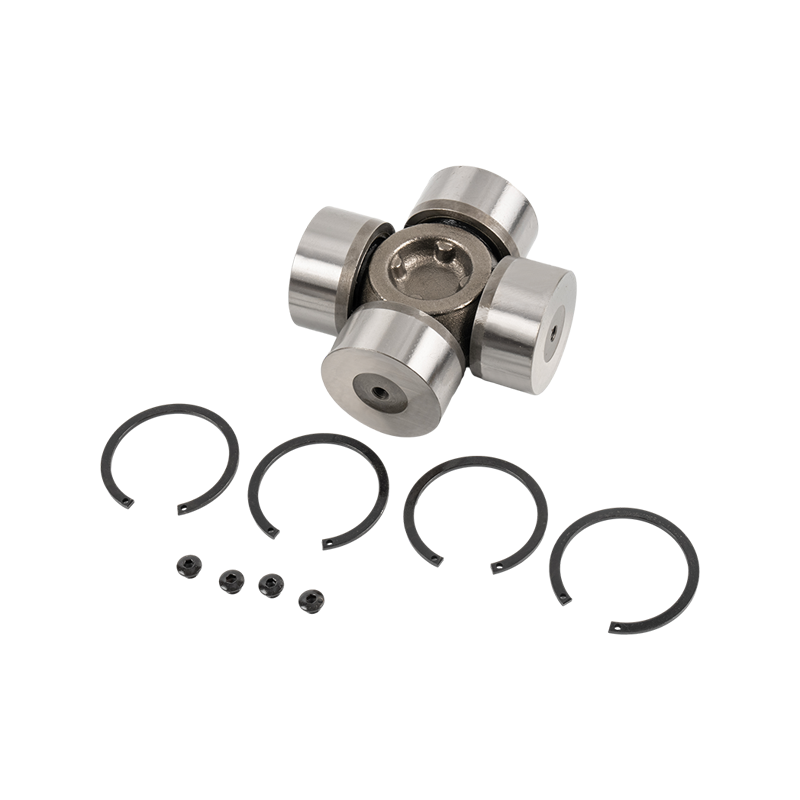
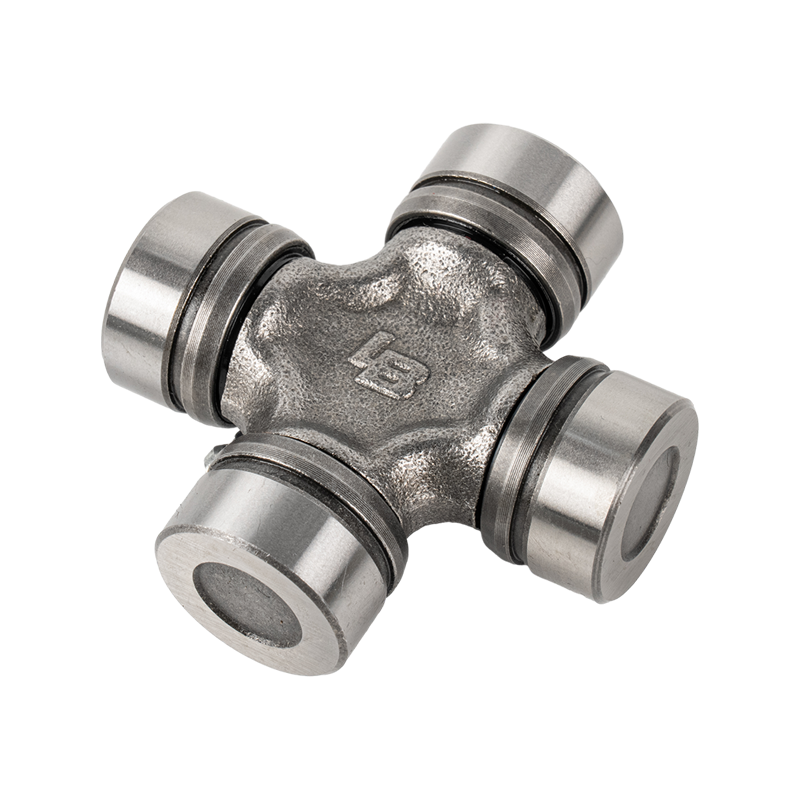
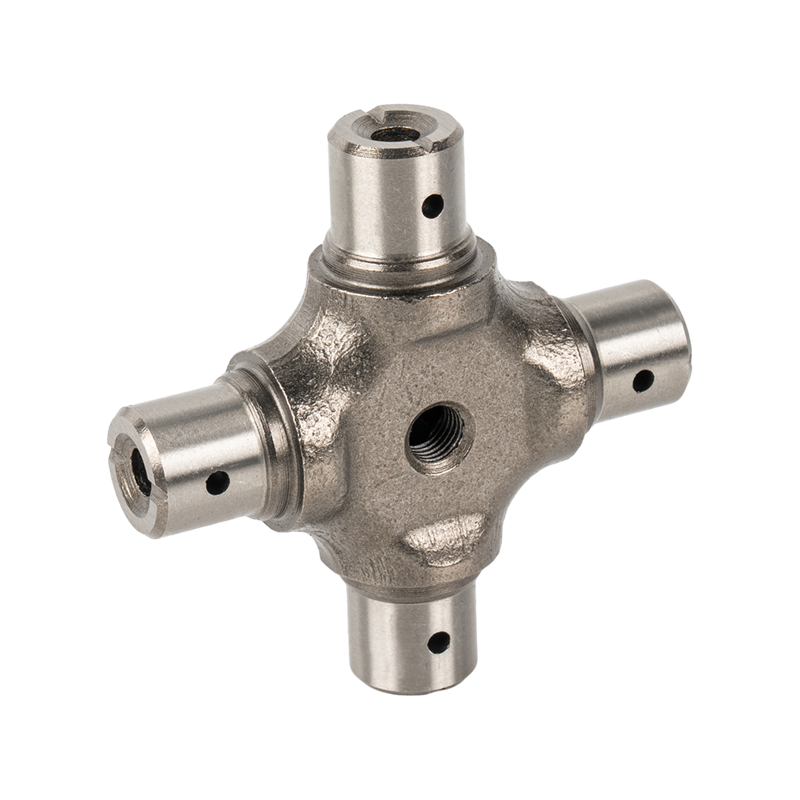
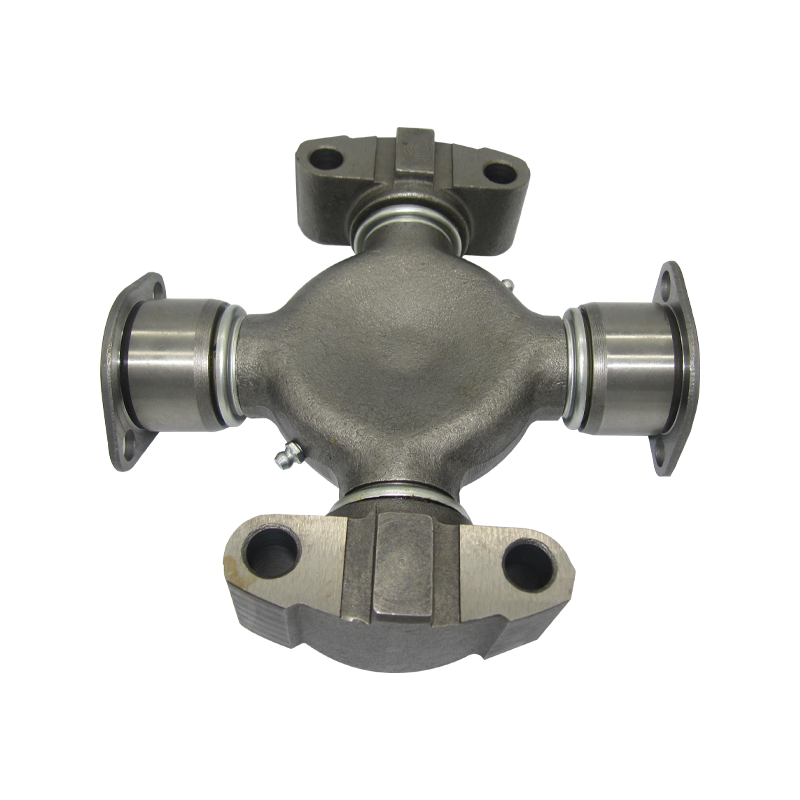
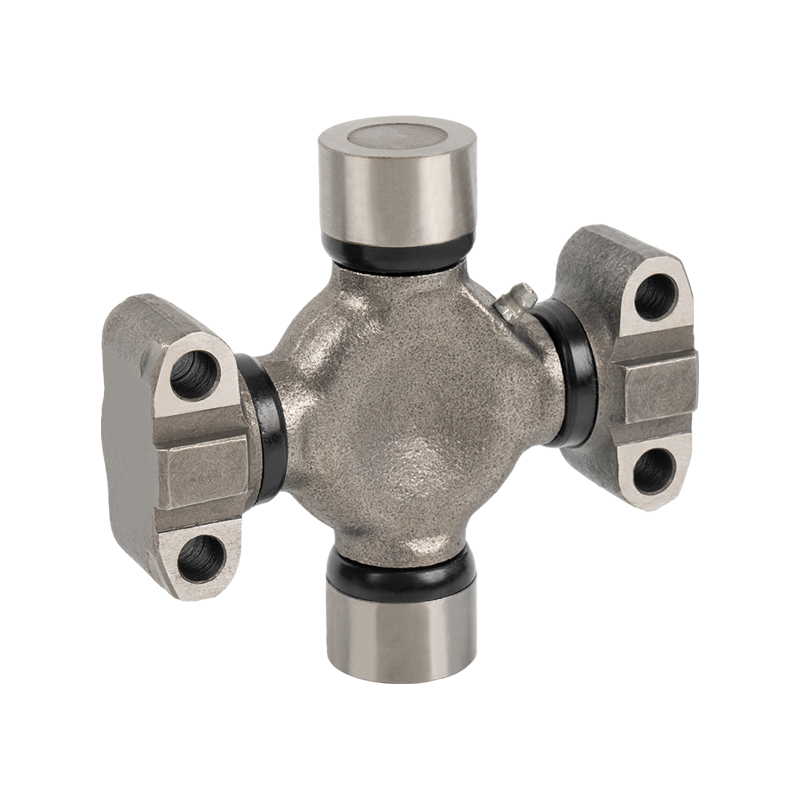
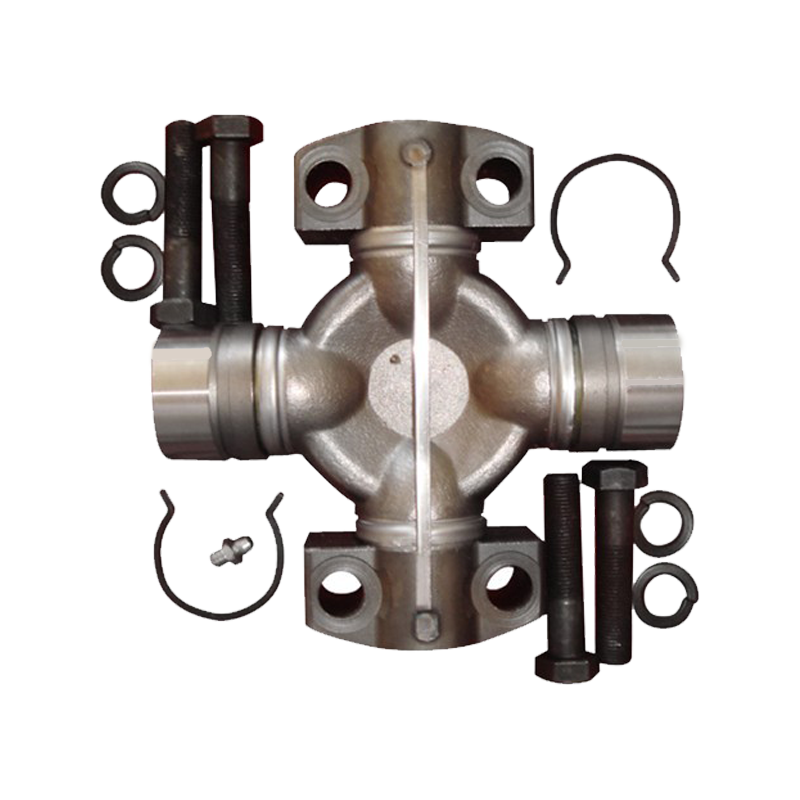
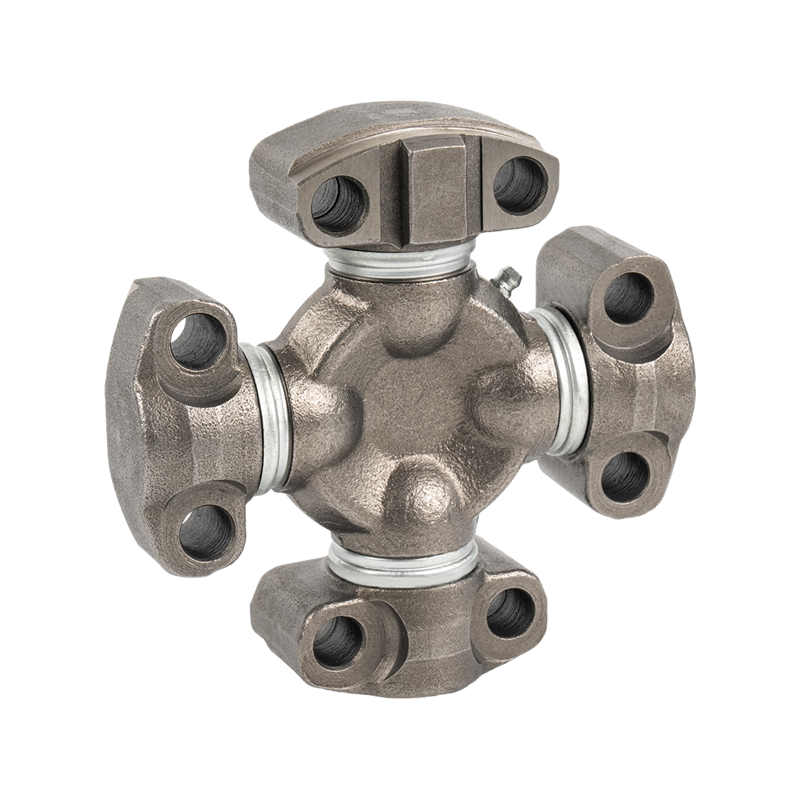
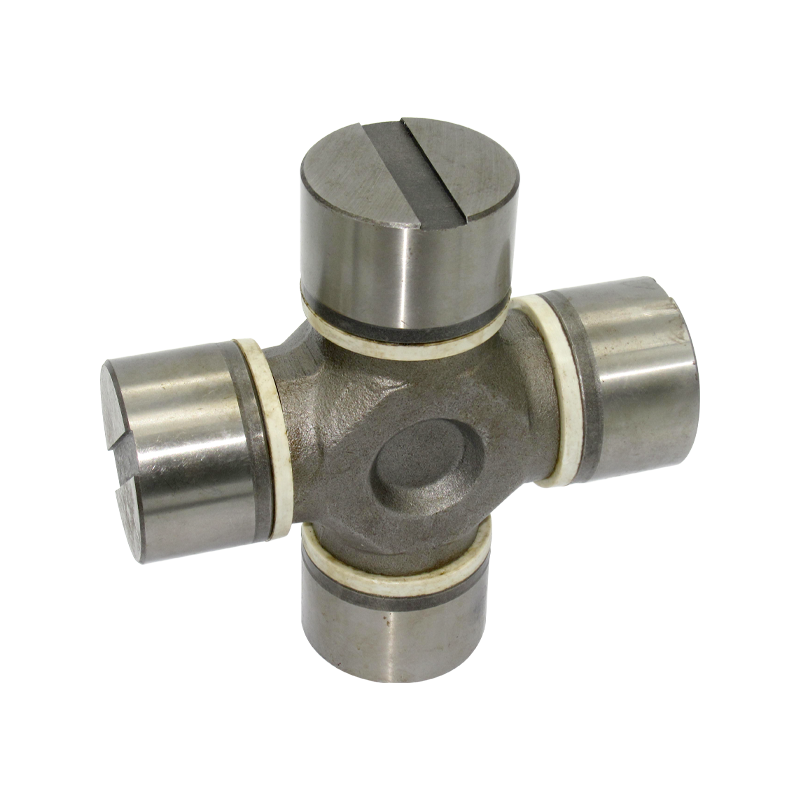
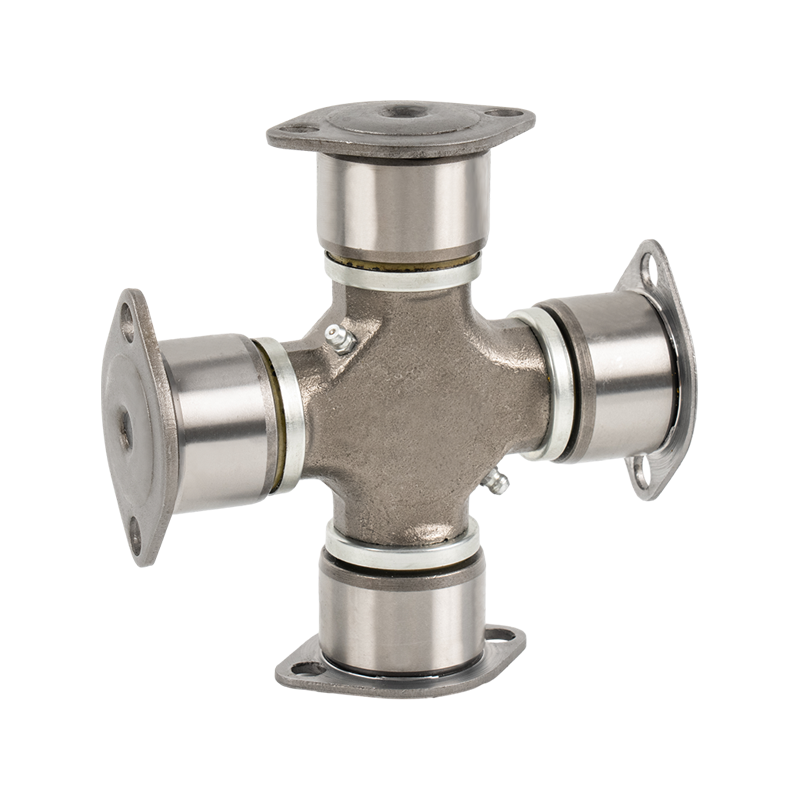
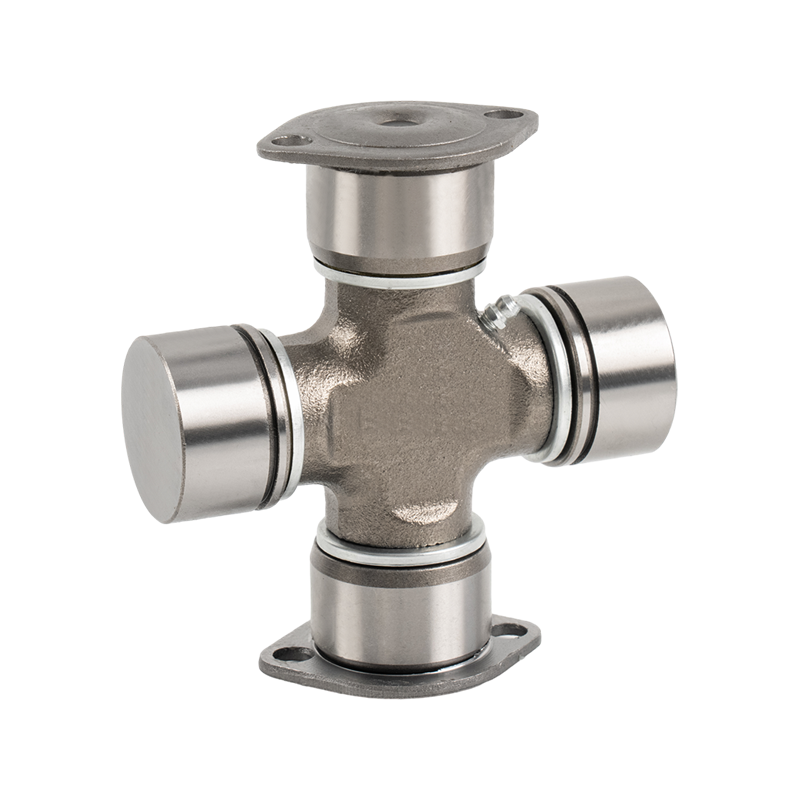
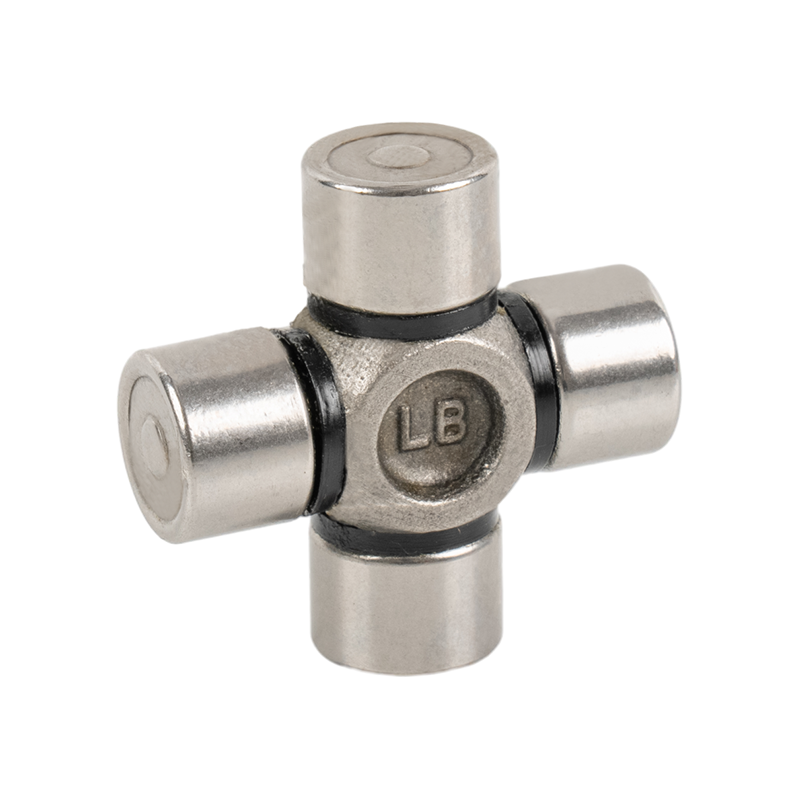
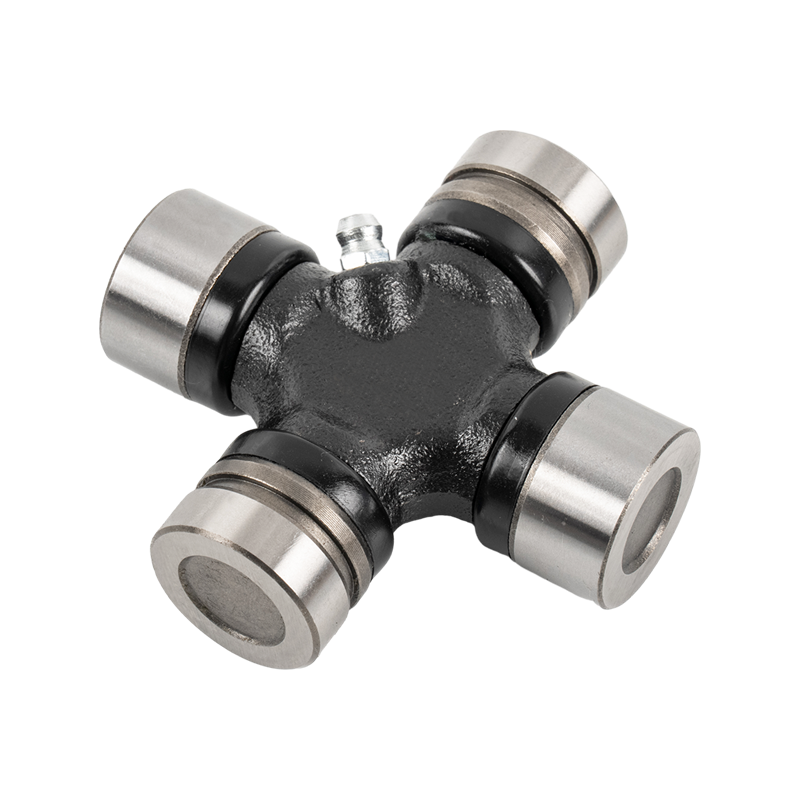
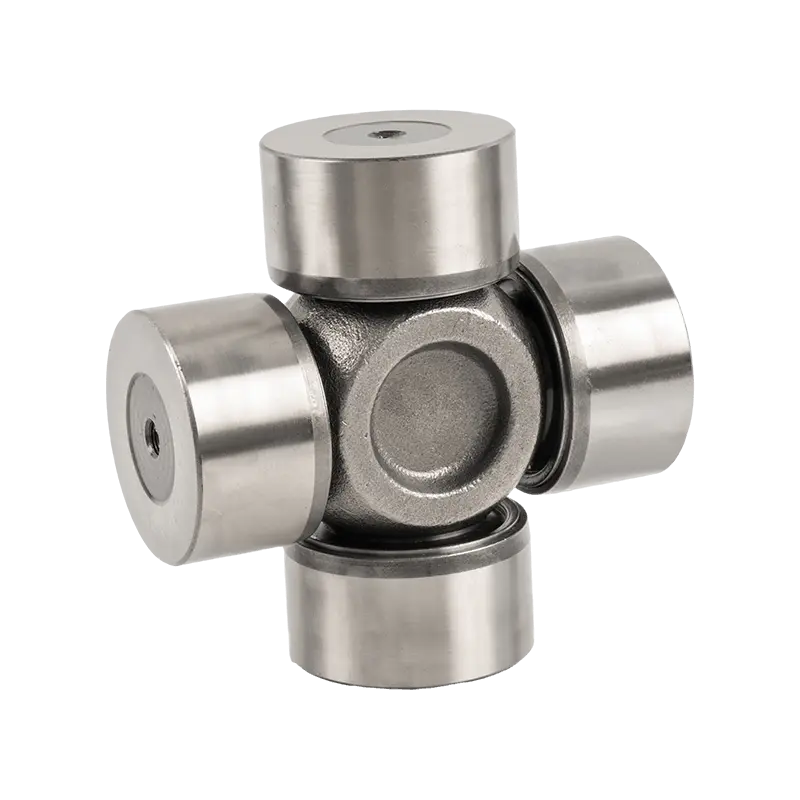
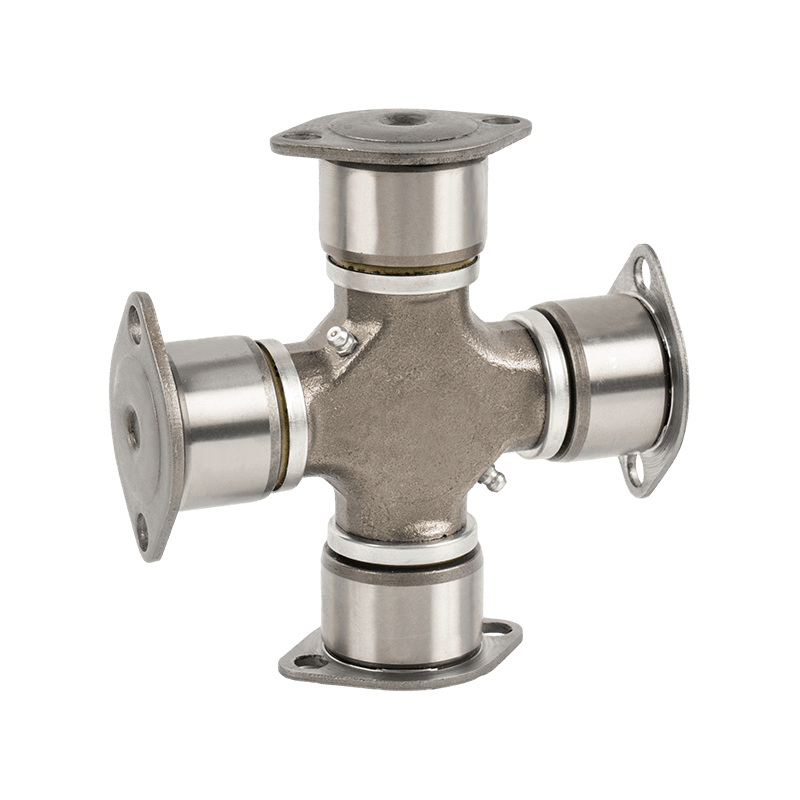
Functionally, a Toyo universal joint works the same way as any cruciform-style U-joint: a cross-shaped "spider" fitted with needle roller bearings connects two yokes, letting the driveshaft flex and bend as suspension geometry changes without interrupting the transfer of engine torque to the wheels. What differentiates the Toyo name specifically is the manufacturing standard behind it — the sections below cover the certifications, common failure signs, and installation steps relevant to anyone sourcing or replacing one of these parts.
Toyo Corporation: Manufacturing Background and Certifications
Buyers researching this specific brand usually want to know whether it holds up to OEM standards, and the manufacturing record backs that up.
- TOYO Corporation traces its roots to June 1983, when it was founded as Fuji Seimitsu Kogyosho and began manufacturing universal joint kits.
- The company holds more than 30 years of dedicated experience in the cruciform universal joint industry, with a catalog spanning 285 available products.
- Between 3.0 and 3.5 million kits of Toyo brand products are exported to 81 different countries worldwide each year.
- TOYO has also supplied OEM parts since 1999, with annual sales volume of roughly 500,000 pieces in that channel alone.
- Manufacturing is certified to ISO9001:2000 and JIS-Q9001:2000 quality standards, and products are engineered from heat-treated forged steel for long-life performance under load.
Toyo universal joints are compatible with a wide range of vehicle platforms, including Toyota, Mitsubishi, Isuzu, Hino, and Ford, and are supplied for steering joints, drive shafts, and related drivetrain components.
Signs a Universal Joint Needs Replacement
A failing universal joint — whatever the brand — almost always announces itself before it fails completely, and catching the warning signs early prevents a routine part swap from turning into a much larger repair bill.
| Symptom | When It Occurs | Likely Cause |
|---|---|---|
| Squeaking sound | Low speeds, under 10 mph | Dry joint, metal-on-metal contact beginning |
| "Clunk and ring" noise | Shifting drive to reverse | Worn bearings from insufficient lubrication |
| Vibration | Mid-range speeds, around 25 mph | Imminent joint failure, misalignment |
| Fluid leak | Near transmission or differential | Seal damage from excessive driveshaft movement |
| Visible play | During manual inspection | Worn needle bearings, failure likely imminent |
Lubricating a joint that's already showing the "clunk and ring" symptom won't repair the underlying wear, but it may extend service life until a proper replacement can be scheduled. Any detectable play during a manual inspection should be treated as a warning that failure isn't far off.
Why Ignoring a Failing Joint Is Risky
A universal joint is a mechanical hinge that keeps power flowing smoothly even as the angle between the transmission and rear axle changes with every bump and turn — which means a complete failure doesn't just stop the vehicle, it can cause secondary damage.
If a joint fails outright, the driveshaft can separate from the transmission or bind up suddenly, and at highway speed the disconnected shaft's rotation can strike and damage other components underneath the vehicle. Continued driving on a known bad joint also stresses the transmission input shaft and rear axle gears, turning what would have been a straightforward joint swap into a far more expensive repair involving multiple drivetrain components.
For perspective on cost: a replacement universal joint part itself typically runs under $50, while professional labor to install it generally falls in the $200 to $450 range — a small fraction of what a secondary transmission or differential repair would cost if the joint is left to fail completely.
Installing a Replacement Universal Joint
Whether the replacement part is a Toyo unit or another OEM-equivalent brand, the installation sequence follows the same core steps and the same points where mistakes commonly occur.
Before pressing the new joint in
Inspect the new joint against the one being removed to confirm it's the correct match, then check that the bearing caps already contain grease — if not, add a small amount before assembly. Clean the yoke thoroughly to remove old debris so nothing contaminates the new bearing surfaces.
During assembly
Press the caps in slowly and keep the cross centered throughout. If a cap suddenly becomes difficult to press, stop immediately and check for a fallen needle bearing — forcing it through at that point can crush the cap and cause the joint to bind or fail prematurely. Never strike a bearing cap directly with a hammer without proper support; use the flat face of the hammer or an appropriately sized socket instead.
After installation
Once all clips or snap rings are seated, move the joint through its full range of motion by hand — it should pivot smoothly with no gritty feel and no obvious looseness. For greasable joints, use a grease gun via the zerk fitting until fresh grease purges evenly from all four bearing caps, then wipe away the excess to keep dirt from later working its way into the seals.
Common Installation Mistakes to Avoid
Most post-installation vibration complaints trace back to one of a small number of avoidable errors during the swap, not to a defect in the part itself.
- Skipping alignment marks and reinstalling the driveshaft in a different orientation than it came out in, which can introduce a new vibration that wasn't present before.
- Letting a bearing cap fall off during handling and missing a displaced needle bearing, which causes binding once the joint is pressed together.
- Reusing a stretched or damaged snap ring instead of installing a new one, which can allow the cap to walk loose over time.
- Contaminating the grease fitting or coupler with dirt before greasing, which pushes debris directly into the bearing surfaces instead of flushing it out.
- Assuming any post-installation vibration is the joint itself, when the actual cause is often driveshaft phasing, a bent shaft, or a worn transmission or pinion mount.
Maintenance Tips to Extend Joint Life
Regular maintenance is the single biggest factor in how long any universal joint — Toyo or otherwise — lasts in service, since most premature failures trace back to lubrication gaps rather than manufacturing defects.
- Grease universal joints at every oil change if the joint has a grease fitting, rather than waiting for a symptom to appear.
- Add grease slowly and stop once clean, fresh grease extrudes evenly from all four cup seals — this confirms the old, contaminated grease has been fully displaced.
- Inspect seals for damage immediately after each greasing session, and wipe away excess grease so it doesn't attract road grit.
- Expect faster wear on vehicles used for towing or off-road driving, and shorten inspection intervals accordingly.
- After any suspension modification — a lift kit, larger tires, or a repositioned transmission or differential mount — check driveshaft angle, since misalignment accelerates joint wear even when the part itself is in good condition.