

 Language
 中文简体
中文简体
What Is the Purpose of a U-Joint? Function & Importance
Content
- 1 How a U-Joint Works Mechanically
- 2 Primary Functions of a U-Joint in a Vehicle
- 3 Where U-Joints Are Found Across Different Applications
- 4 U-Joint Types and Their Specific Purposes
- 5 Signs That a U-Joint Is Failing
- 6 U-Joint Maintenance and Replacement
- 7 Why the U-Joint Remains a Critical Drivetrain Component
The purpose of a u-joint — short for universal joint — is to transmit rotational torque and motion between two shafts that are not perfectly aligned. It acts as a flexible mechanical coupling that accommodates angular misalignment, allowing power to flow smoothly from one rotating component to another even when the shafts meet at an angle rather than in a straight line.
In practical terms, a u-joint makes it possible for a vehicle's driveshaft to deliver engine power to the wheels even as the suspension moves up and down and the drivetrain shifts position. Without it, the rigid mismatch between shafts would cause vibration, mechanical binding, or complete drivetrain failure. U-joints are found in automobiles, trucks, agricultural equipment, industrial machinery, and marine drive systems.
How a U-Joint Works Mechanically
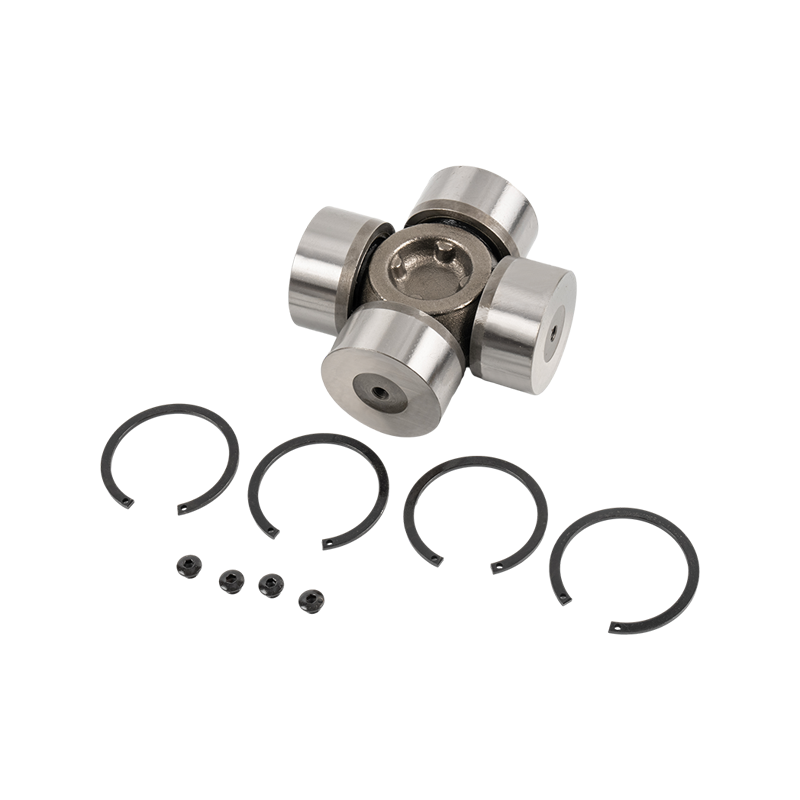
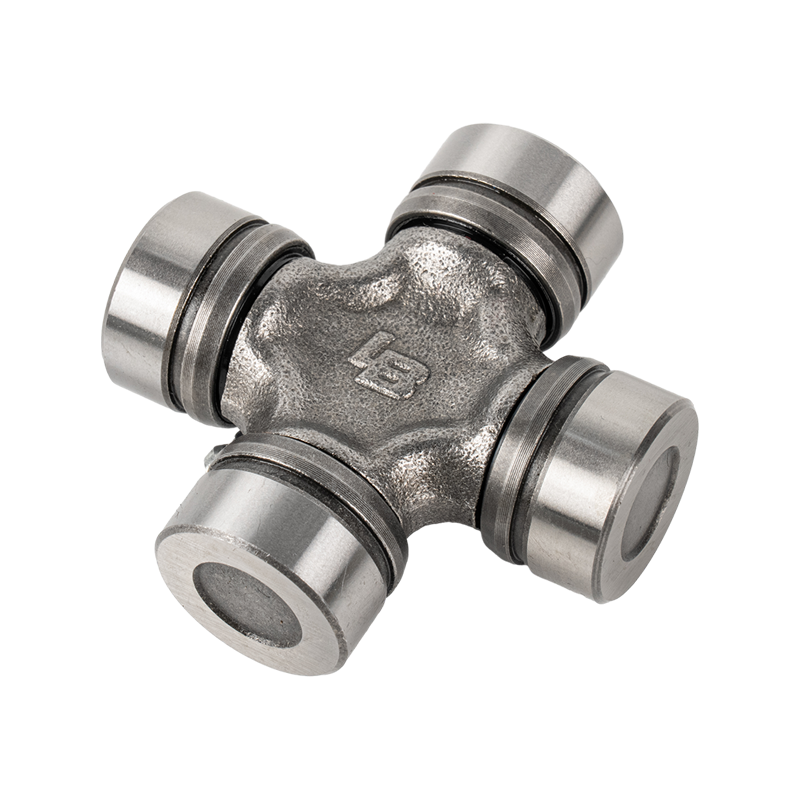
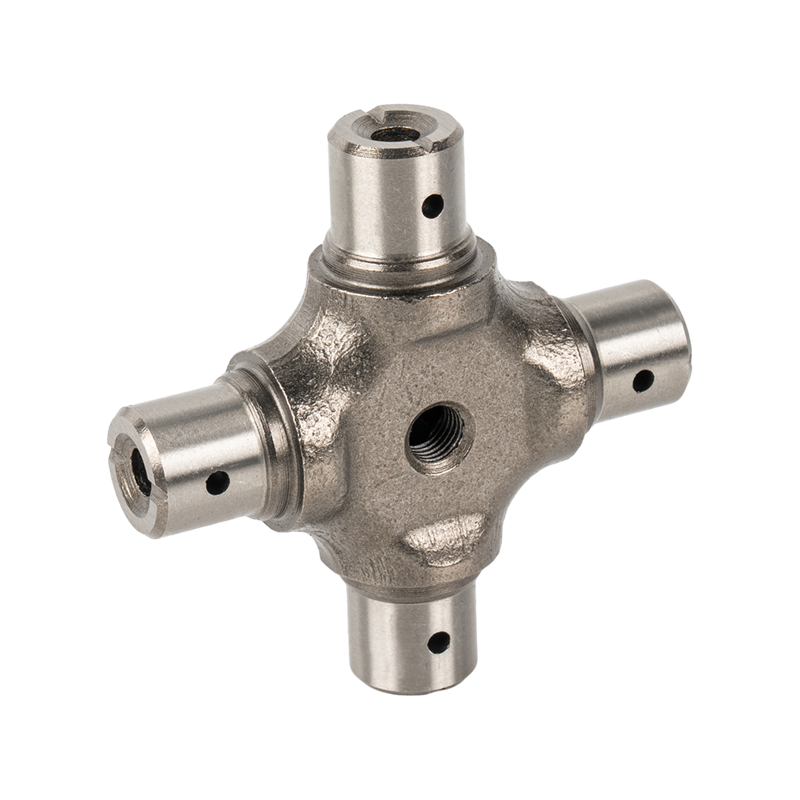
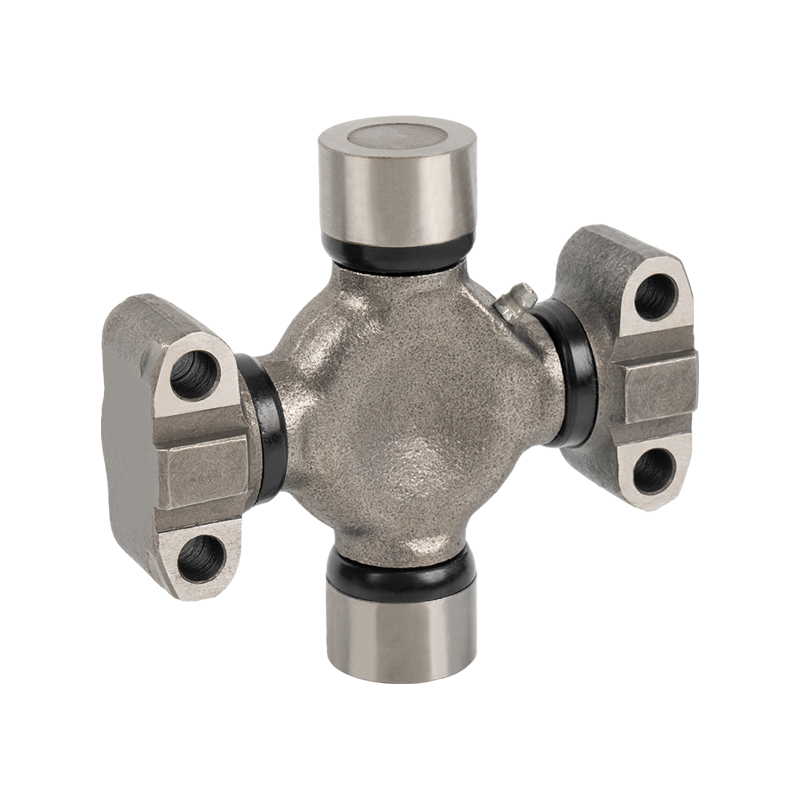
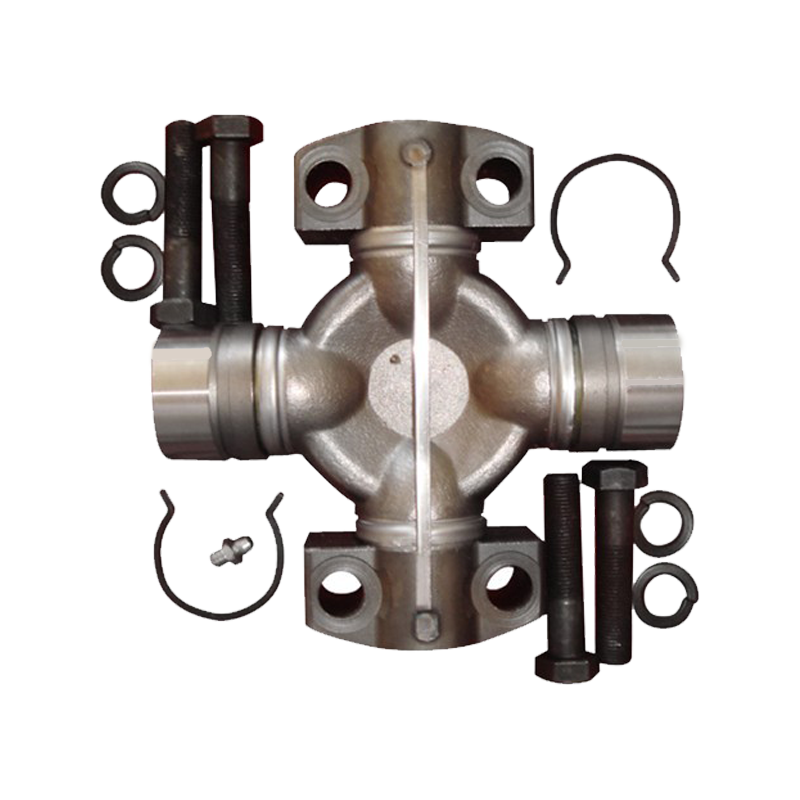
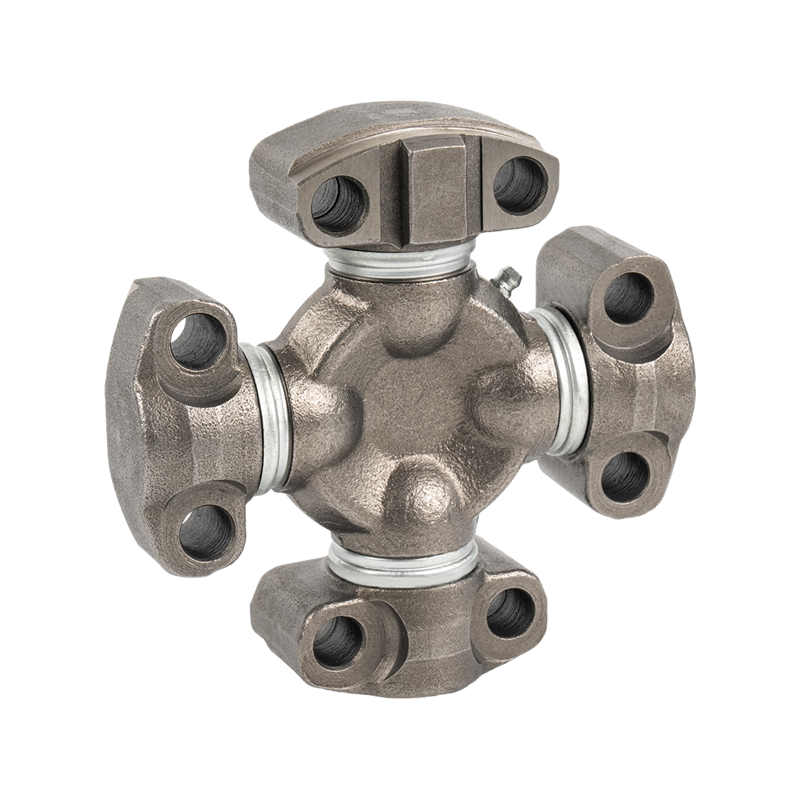
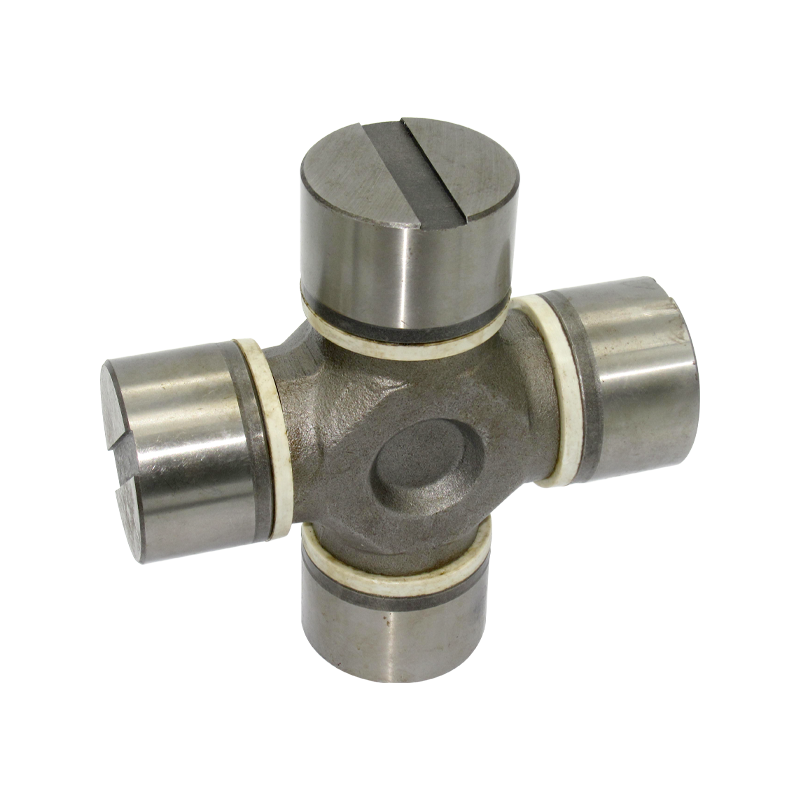
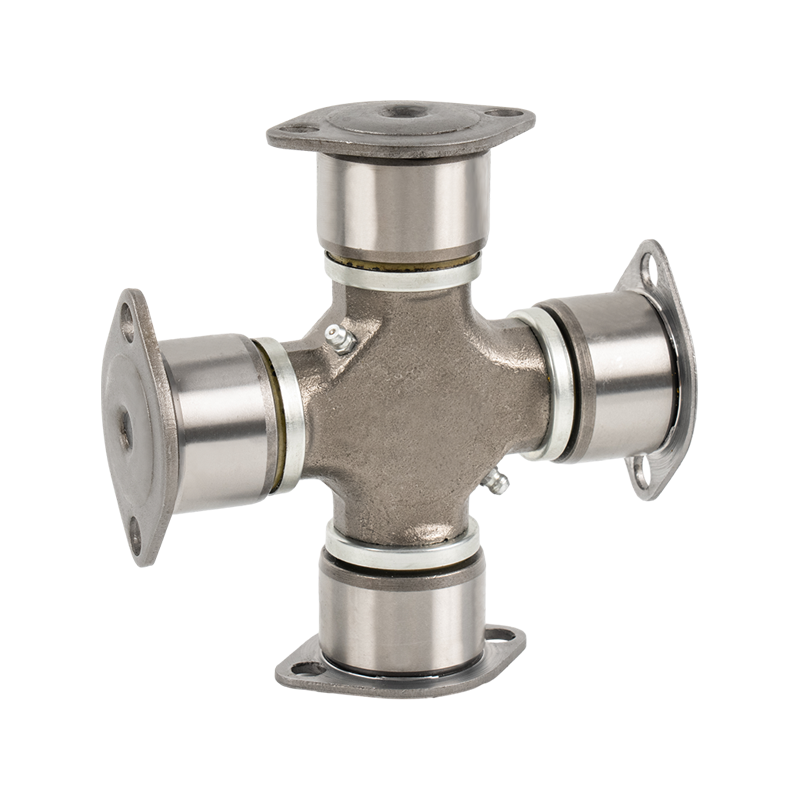
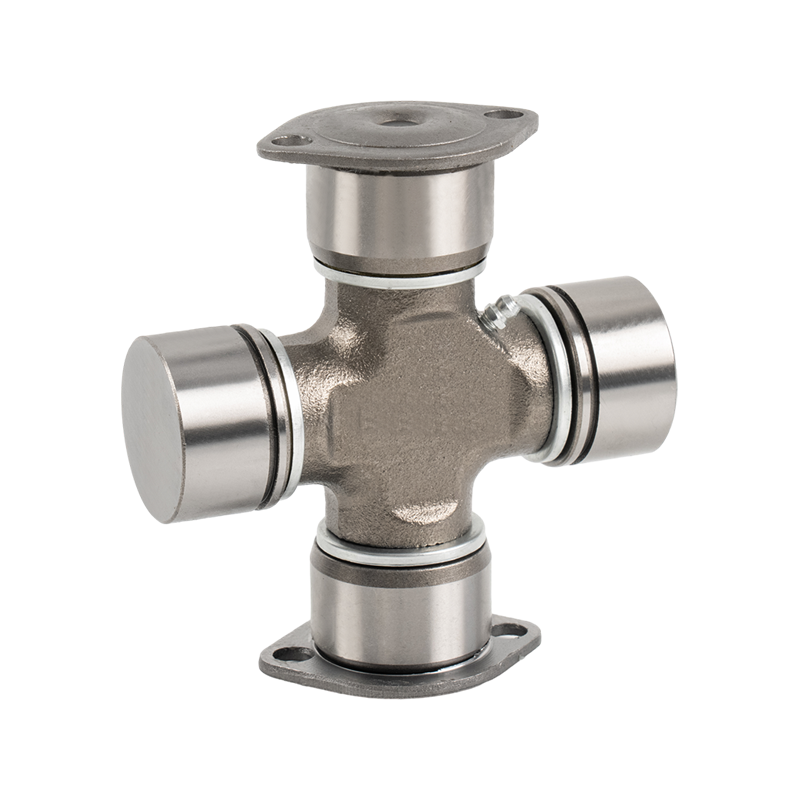
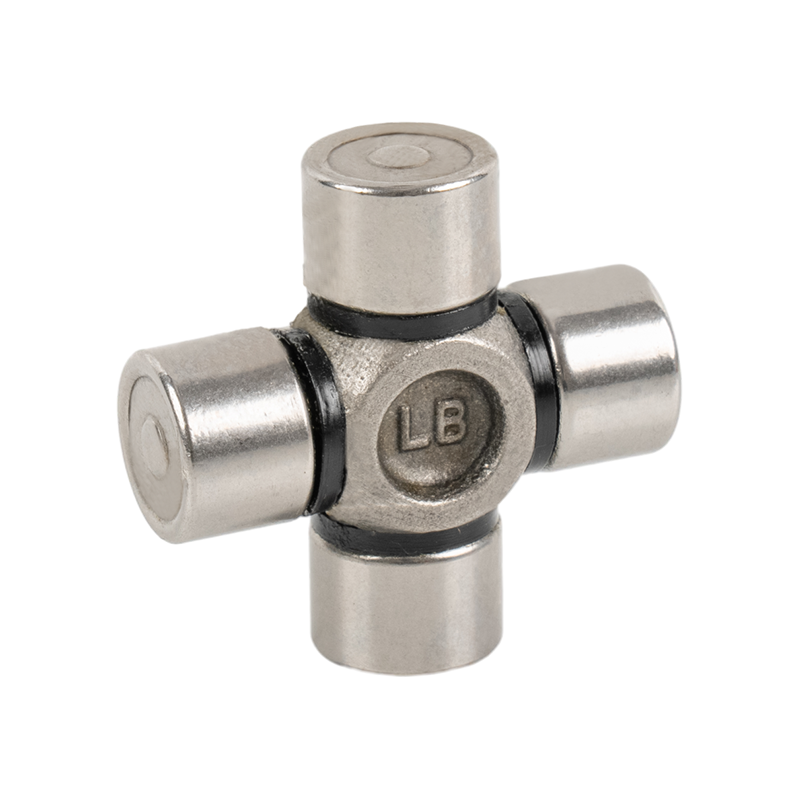
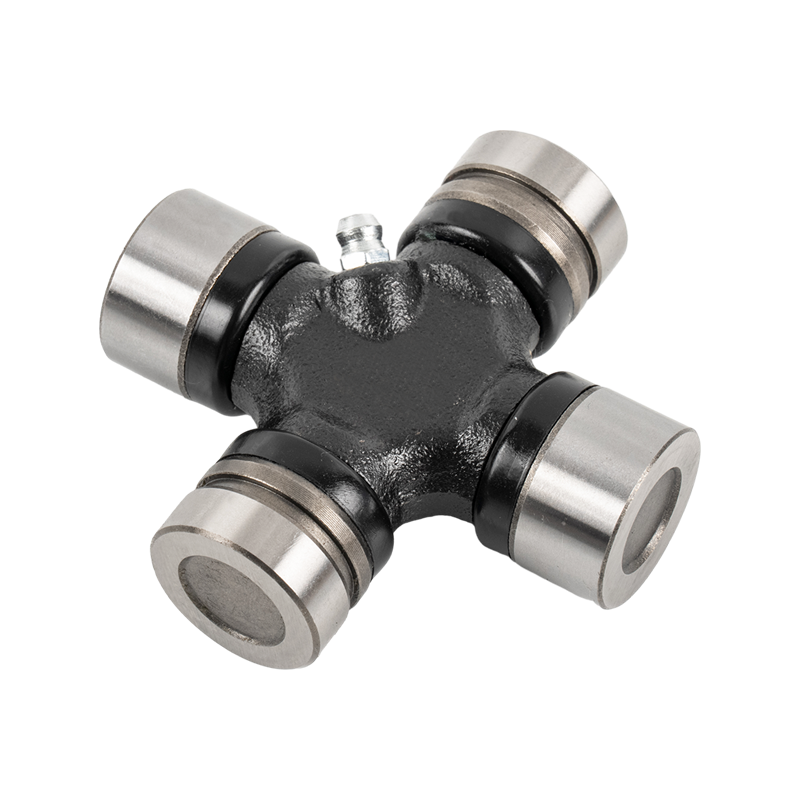
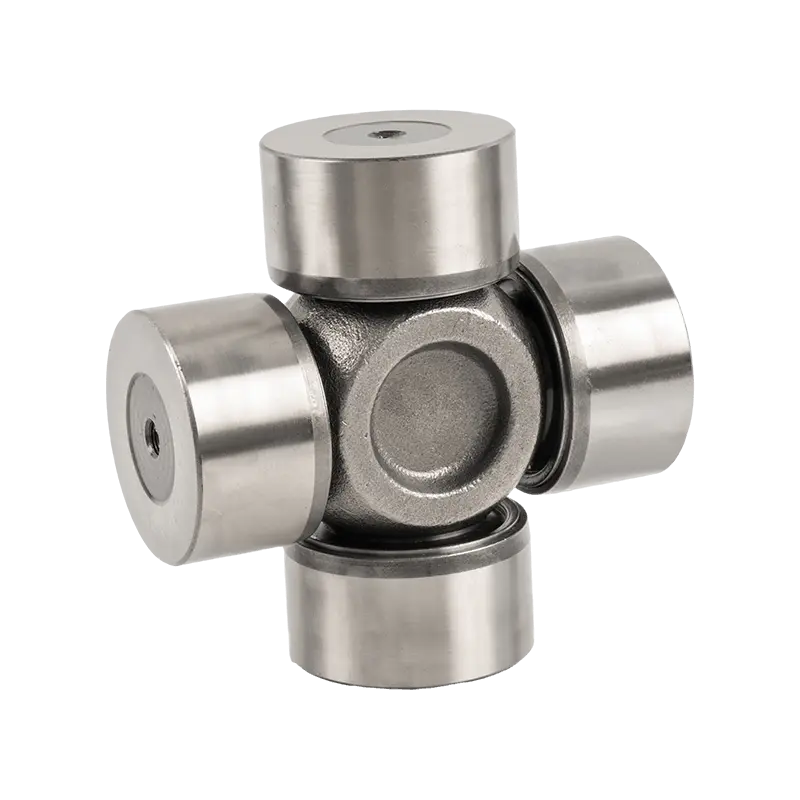
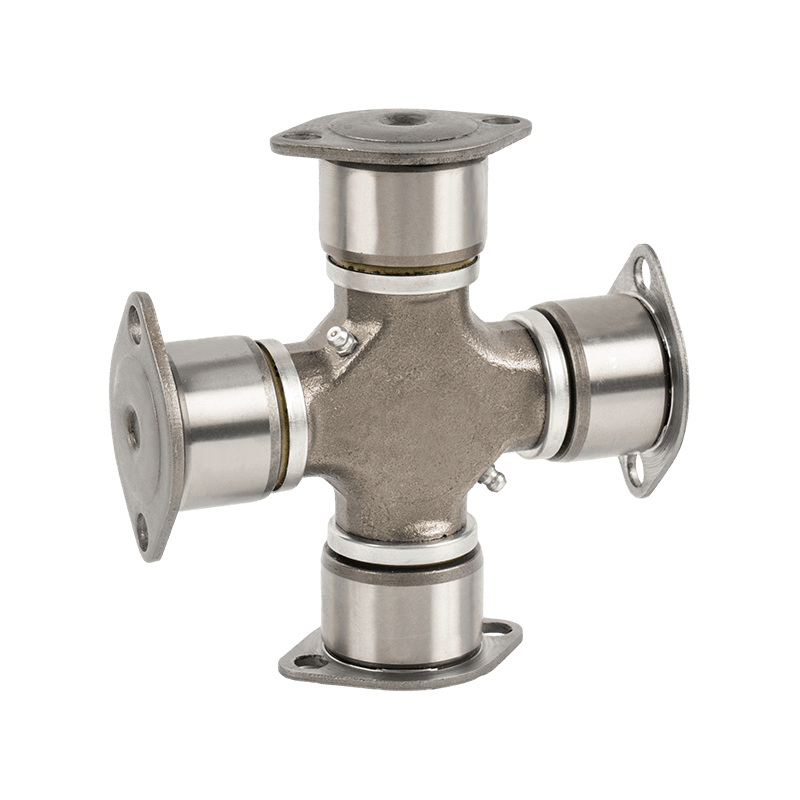
A u-joint consists of a cross-shaped central piece — called the cross or spider — with four trunnions (arms) extending outward at 90° angles. Each trunnion fits into a bearing cup, and the two pairs of bearing cups are mounted in yokes attached to the two shafts being connected. This configuration creates two pivot axes at right angles to each other, enabling rotation to pass through an angle.
A single u-joint can typically accommodate angular misalignment of up to 15° to 25° depending on the design, though operating at high angles increases stress on the bearings and causes speed variation in the output shaft. To eliminate this speed variation — known as velocity fluctuation — two u-joints are typically used in series with a slip yoke or center bearing between them, a configuration called a double-Cardan or two-piece driveshaft.
The Cardan Joint Principle
The standard u-joint design is formally called a Cardan joint, named after Italian mathematician Gerolamo Cardano who described its principles in the 16th century. Its key characteristic is that while it transfers torque effectively, the output shaft does not rotate at a perfectly constant speed relative to the input — the speed varies cyclically twice per revolution. This variation is minimal at small operating angles (under 3°) but becomes significant and potentially damaging above 10° to 15°.
Constant Velocity (CV) Joints as an Alternative
Where smooth output speed is essential at high operating angles — particularly in front-wheel-drive axle shafts — CV joints replace or supplement u-joints. CV joints eliminate the speed fluctuation inherent in Cardan u-joints but are more complex and expensive to manufacture. U-joints remain preferred for heavy-duty applications in driveshafts due to their strength, simplicity, and ease of replacement.
Primary Functions of a U-Joint in a Vehicle
In an automotive drivetrain, u-joints serve several interrelated mechanical purposes simultaneously:
- Power transmission across angles: The primary role — transferring engine torque from the transmission output through the driveshaft to the differential, even as suspension travel changes the angle between components.
- Accommodating suspension movement: As the rear axle moves up and down over road surfaces, the angle between the driveshaft and differential pinion shaft constantly changes. The u-joint absorbs this angular variation without interrupting power flow.
- Allowing length changes in the driveshaft: Combined with a slip yoke, u-joints permit the driveshaft to change effective length as the suspension compresses and extends, preventing the shaft from being forced out of place.
- Reducing drivetrain stress: By providing a flexible coupling point, u-joints prevent rigid shock loads from transmitting directly between the transmission and differential, extending the life of both components.
Where U-Joints Are Found Across Different Applications
U-joints are not limited to passenger car driveshafts. They appear throughout a wide range of mechanical systems wherever rotational motion must cross an angular gap:
| Application | Location of U-Joint | Purpose in That System |
|---|---|---|
| Rear-wheel-drive car / truck | Front and rear of driveshaft | Transmits torque from transmission to rear differential |
| 4WD / AWD vehicle | Front and rear driveshafts | Connects transfer case to front and rear differentials |
| Steering column | Between column and steering rack | Allows column to change angle around firewall or other obstacles |
| Agricultural tractor (PTO) | Power Take-Off shaft | Drives implements (mowers, tillers) at variable angles |
| Industrial machinery | Motor-to-gearbox connections | Compensates for misalignment between motor and driven shaft |
| Marine inboard/outboard drives | Drive shaft assembly | Transfers engine power to propeller at varying trim angles |
U-Joint Types and Their Specific Purposes
Different u-joint designs exist to meet different demands in terms of operating angle, torque capacity, speed, and smoothness of power delivery:
Single Cardan U-Joint
The most common type. Simple, strong, and inexpensive. Used in the majority of rear-wheel-drive driveshafts. Best suited for operating angles under 10°. Standard passenger car and light truck driveshafts typically operate between 1° and 7° at the u-joint under normal ride height.
Double Cardan (CV U-Joint)
Two Cardan joints mounted in series with a centering socket between them. This arrangement cancels out the velocity fluctuation of each individual joint, producing smooth constant-velocity output. Commonly used in the front driveshafts of 4WD trucks and in front axle applications where steering angle creates large operational angles — sometimes exceeding 20° to 30°.
Spicer / Dana U-Joints (Heavy-Duty)
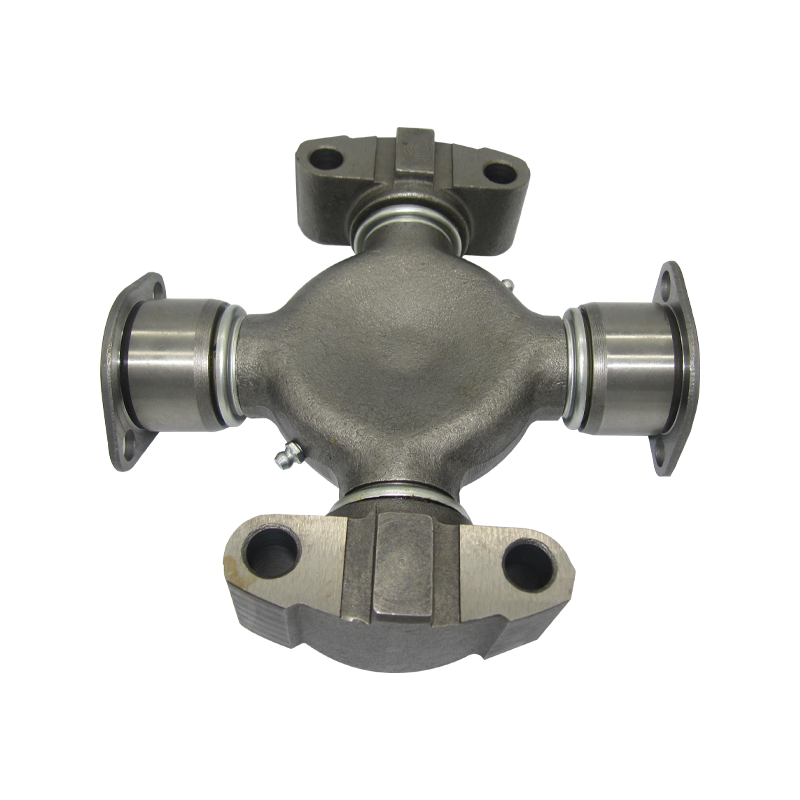
Named after the Dana Spicer brand, these are heavy-duty Cardan joints designed for high torque applications in trucks, buses, and off-road vehicles. They use larger bearing cups and thicker trunnions to handle torque loads that would destroy standard passenger car u-joints. A heavy-duty Spicer joint rated for a Class 8 truck may handle torque capacities exceeding 10,000 lb-ft.
Steering U-Joints
Smaller, precision u-joints used in steering columns. These operate at very low torque compared to drivetrain joints but must provide smooth, zero-backlash motion so that steering feedback is accurate. Worn steering u-joints cause a noticeably loose or clunking steering feel.
Signs That a U-Joint Is Failing
Because u-joints are wear components — especially in vehicles that operate at higher angles or carry heavy loads — recognizing failure symptoms early prevents more serious drivetrain damage. A failed u-joint can cause the driveshaft to separate from the vehicle entirely, which is a significant safety hazard.
- Clunking or banging sound when shifting gears: A worn u-joint will produce a distinct clunk when the drivetrain transitions from acceleration to deceleration or when shifting from drive to reverse. This is caused by excessive play in the bearing cups.
- Vibration at highway speed: A u-joint with worn or seized bearings creates an imbalance in the rotating driveshaft, producing a vibration that typically worsens above 45 to 55 mph.
- Squeaking during low-speed movement: Dry or corroded u-joint bearings that have lost their lubrication will squeak rhythmically as the driveshaft rotates, often most audible in parking lot maneuvers.
- Rust or visible wear on the cross and bearing caps: During visual inspection, rust staining around the bearing cap retaining clips or visible wear grooves in the trunnions indicates a u-joint that needs immediate replacement.
- Transmission fluid leak near the rear seal: A failing u-joint can damage the transmission's output shaft seal by creating vibration and radial loading, causing a fluid leak that may be mistaken for a seal problem rather than a u-joint problem.
U-Joint Maintenance and Replacement
Many modern u-joints are sealed and require no maintenance, but vehicles equipped with greaseable u-joints (identified by a grease fitting or zerk fitting on the cross) should be lubricated at regular intervals — typically every 5,000 to 10,000 miles or as specified in the vehicle's service manual. Greasing forces fresh lubricant into the needle bearings inside each cap, displacing contaminants and preventing the metal-on-metal wear that leads to premature failure.
Replacement Intervals
There is no universal mileage interval for u-joint replacement because lifespan varies significantly with operating conditions. A well-maintained u-joint on a lightly used passenger car may last the lifetime of the vehicle — 150,000 miles or more. A u-joint on a heavily loaded truck used for towing or off-road driving may wear out in 50,000 to 80,000 miles. Regular inspection at every oil change is the most reliable maintenance approach.
Replacement Cost
A replacement u-joint part typically costs between $20 and $100 for most passenger vehicles. Labor to press out the old joint and install the new one adds $75 to $200 at a typical shop, depending on driveshaft complexity and whether the shaft must be removed and balanced. Heavy-duty truck u-joints can cost significantly more — $150 to $500 per joint depending on the series and application.
Why the U-Joint Remains a Critical Drivetrain Component
Despite the increasing use of CV joints in front-wheel-drive and all-wheel-drive systems, the traditional Cardan u-joint remains dominant in rear-wheel-drive trucks, commercial vehicles, agricultural equipment, and industrial machinery. Its advantages are straightforward:
- High torque capacity relative to size and weight, making it ideal for trucks and heavy equipment where towing or hauling generates extreme drivetrain loads.
- Field replaceability — a u-joint can be replaced with basic hand tools in the field, unlike many CV joint assemblies that require specialized equipment or full axle shaft replacement.
- Lower cost than equivalent CV joints at equivalent torque ratings, which matters significantly in commercial fleet operations where component costs multiply across hundreds of vehicles.
- Proven durability across more than a century of mechanical development, with a well-understood failure mode that is predictable and manageable with routine inspection.
The u-joint solves a fundamental engineering problem — how to transmit rotational power between two shafts that cannot be held in perfect alignment — and does so with mechanical elegance that has changed little since its widespread adoption in the early 20th century.