

 Language
 中文简体
中文简体
The Heart of Precision: Navigating the Evolution of the Steering Cross Joint
Content
- 1 What Exactly is a Steering Cross Joint?
- 2 Why This Component Matters in 2026
- 3 Key Signs of Wear and Tear
- 4 Innovations in Manufacturing and Materials
- 5 The Role of the Cross Joint in Vehicle Safety
- 6 Global Market Trends: Supply and Demand
- 7 Maintenance Tips for Longevity
- 8 Choosing the Right Replacement
- 9 The Future: Towards a Maintenance-Free World?
- 10 Conclusion
In the intricate world of automotive engineering, it is often the smallest components that carry the heaviest responsibilities. While high-tech sensors and powerful engines grab the headlines, the mechanical integrity of a vehicle still relies on foundational parts. One such hero is the Steering Cross Joint (also commonly referred to as a steering universal joint or U-joint).
As we move through 2026, the demand for precision, safety, and longevity in steering systems has never been higher. Whether you are a fleet manager, a local mechanic, or a car enthusiast, understanding the nuances of this component is essential for ensuring vehicle reliability.
What Exactly is a Steering Cross Joint?
At its core, the Steering Cross Joint is a mechanical coupling that allows the steering shaft to rotate freely while operating at an angle. Because the steering wheel is rarely in a direct, straight line with the steering gear or rack, the system needs a way to "bend" while still transmitting rotational force.
The Mechanics of Movement
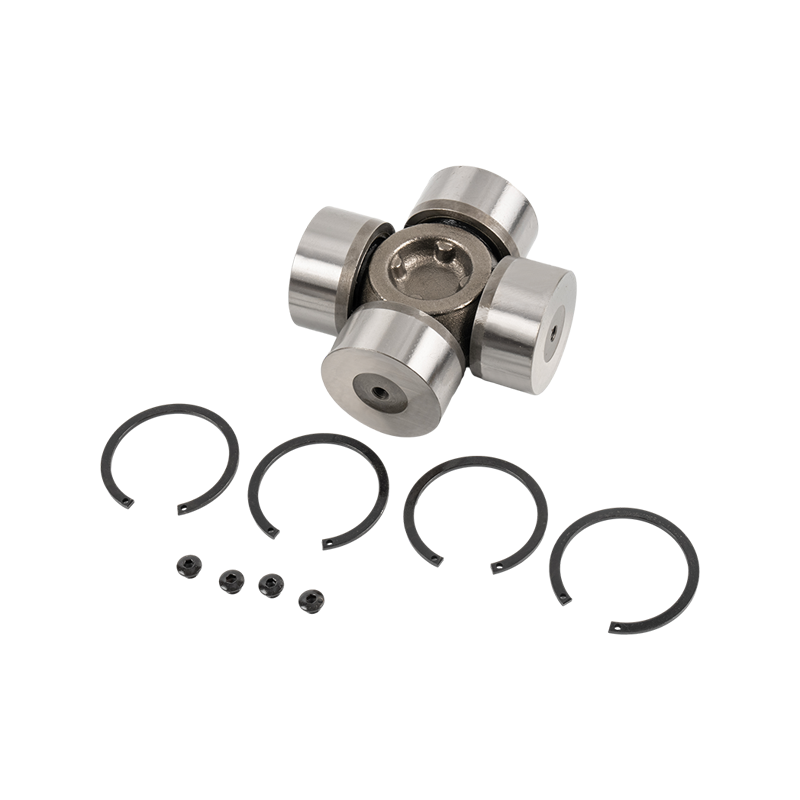
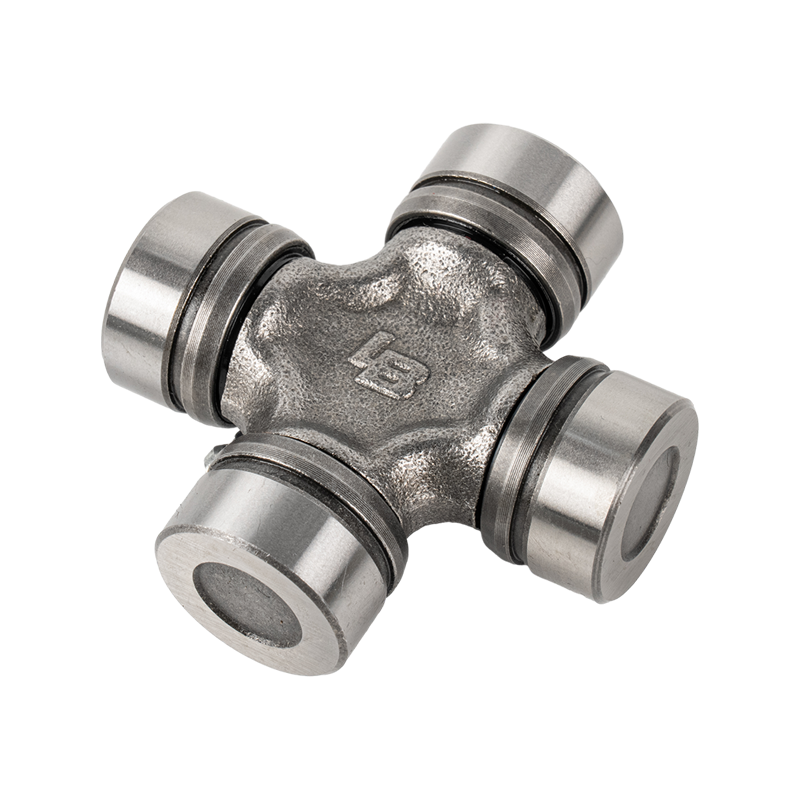
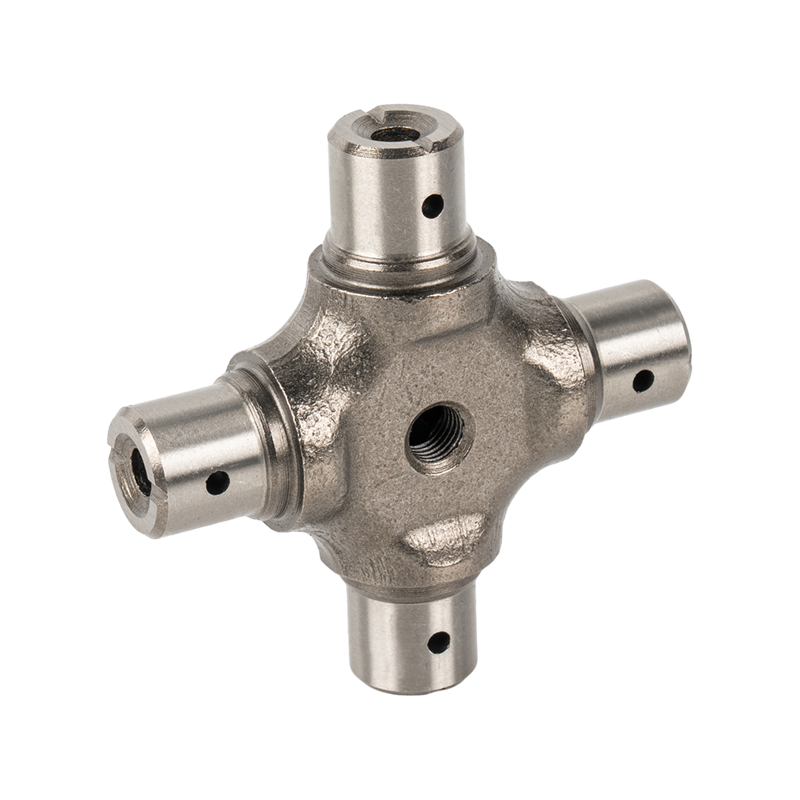
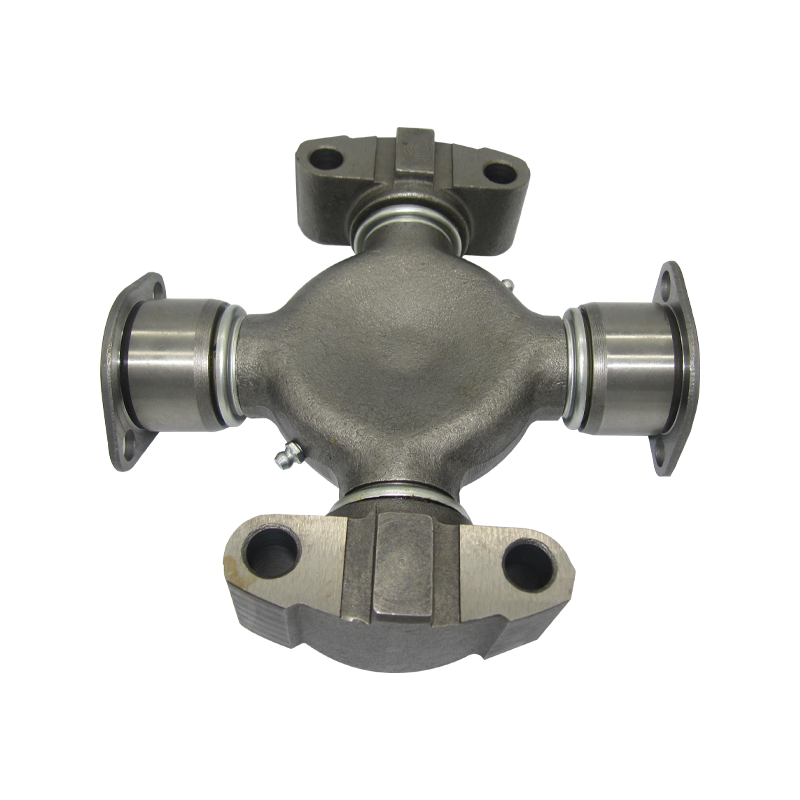
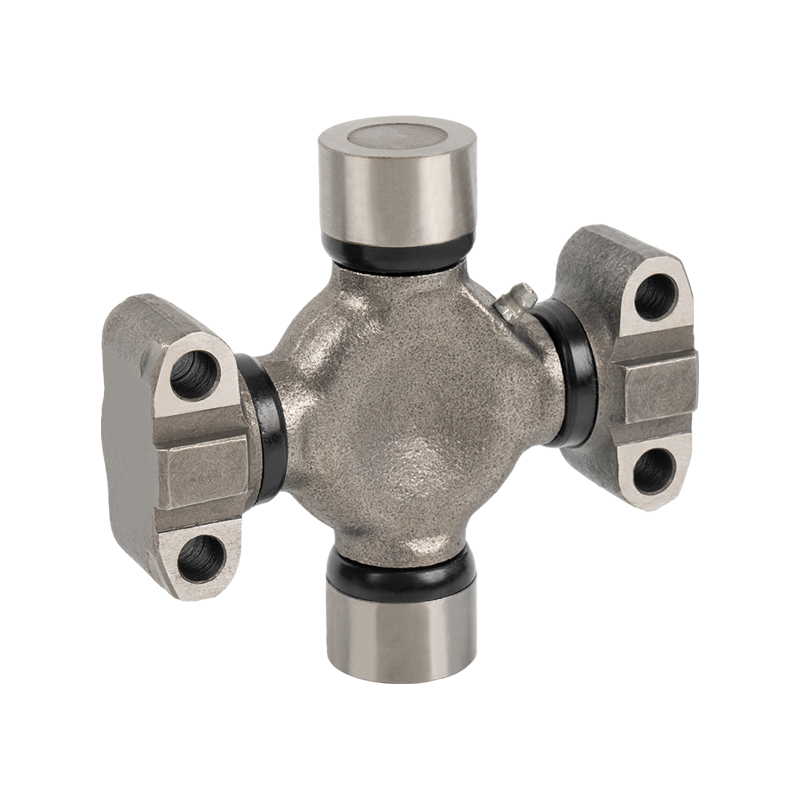
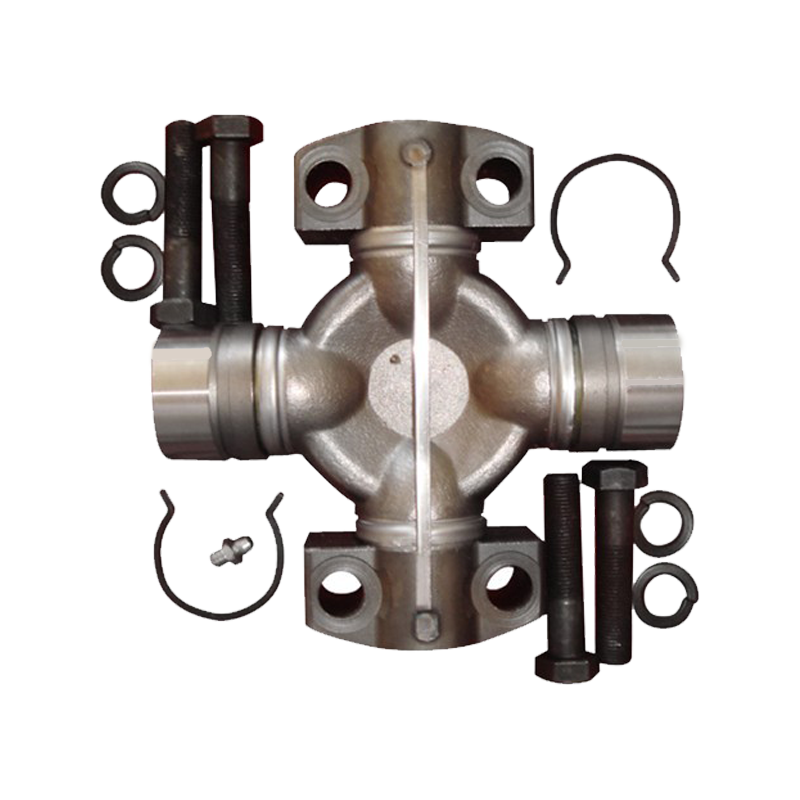
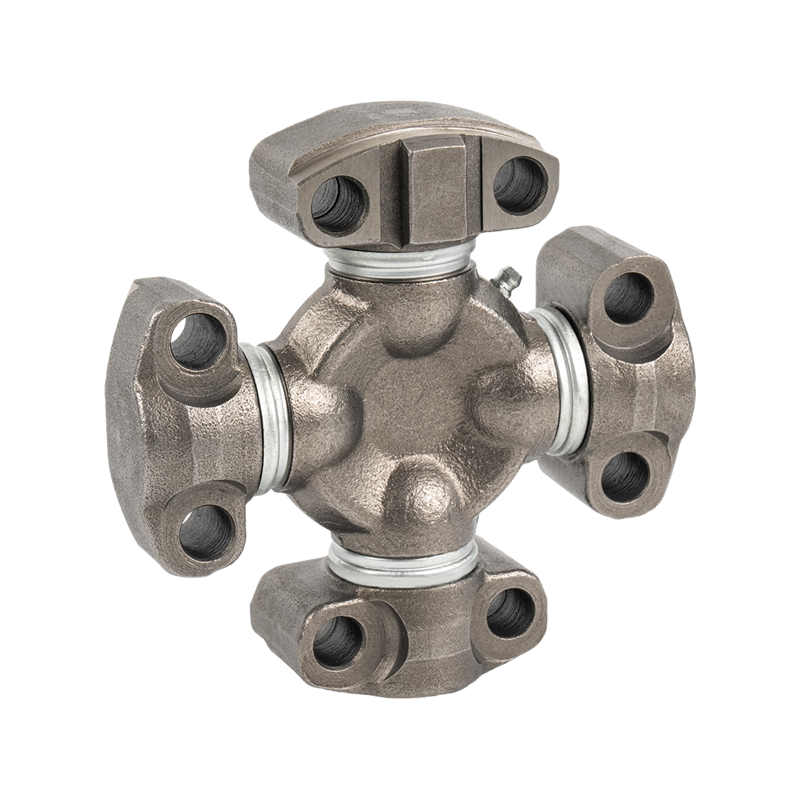
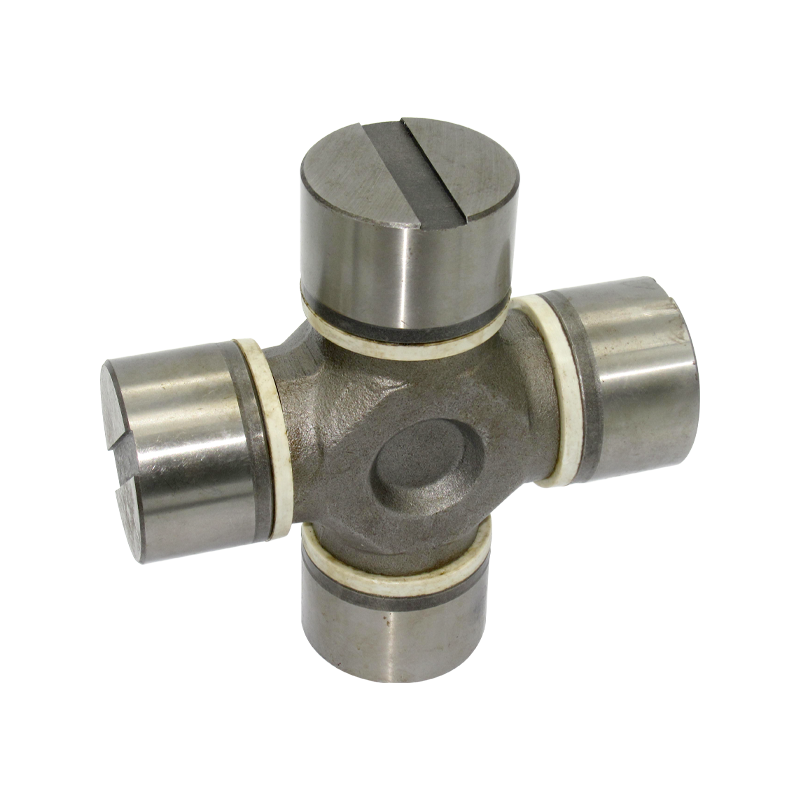
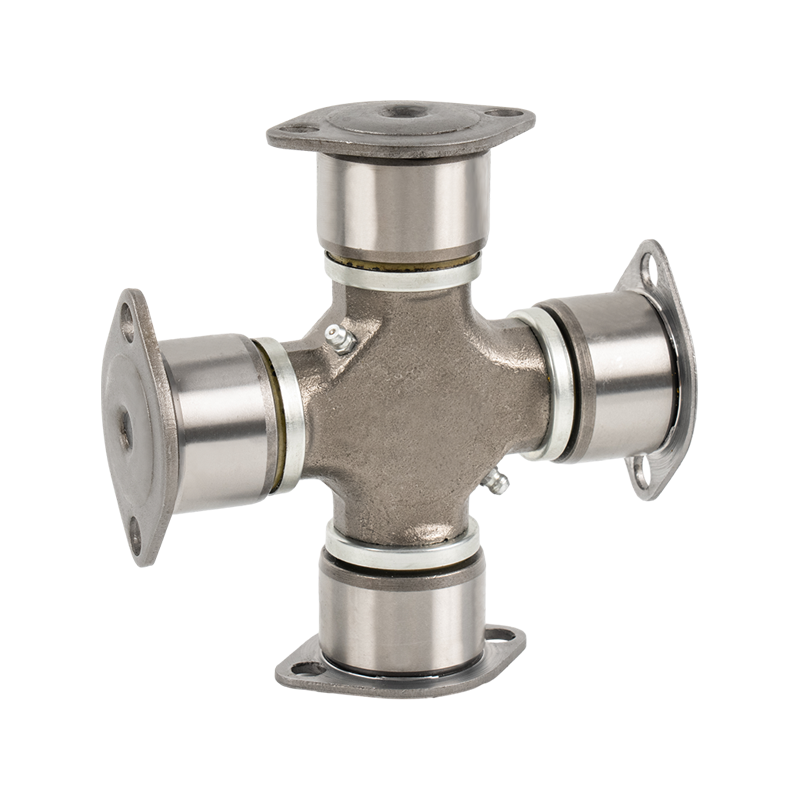
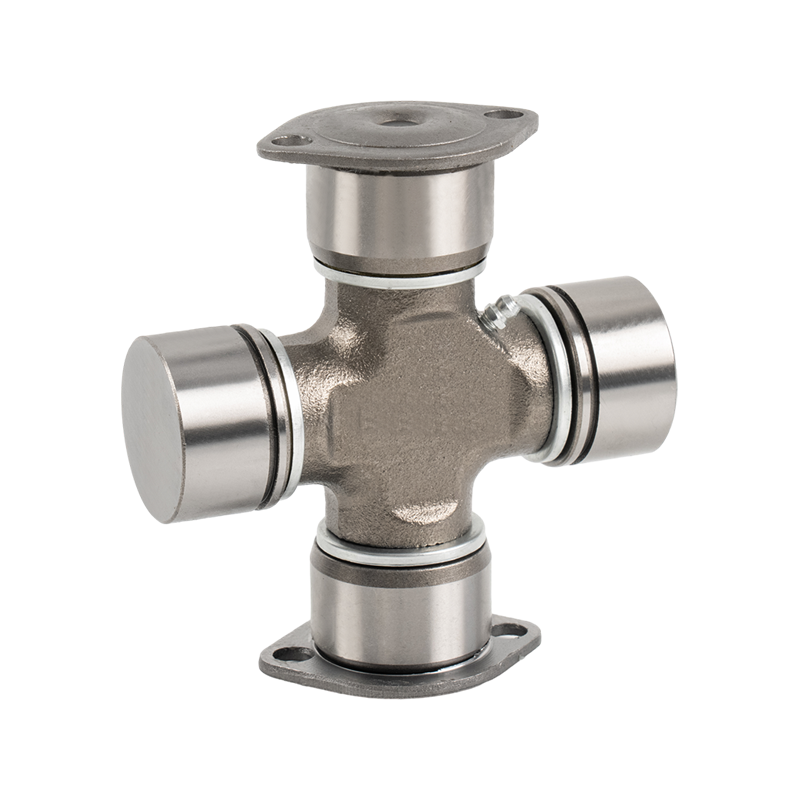
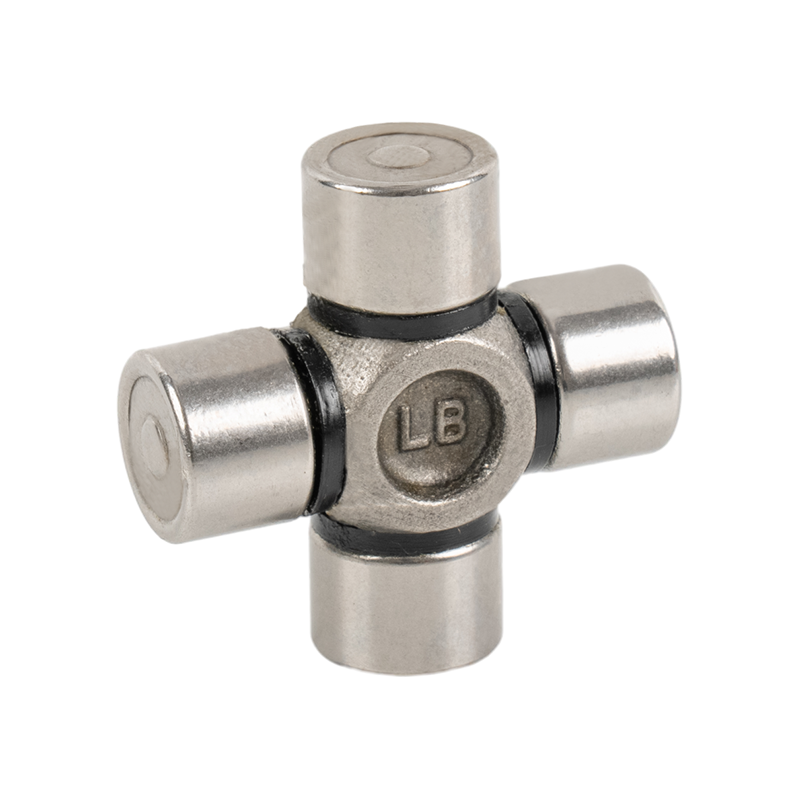
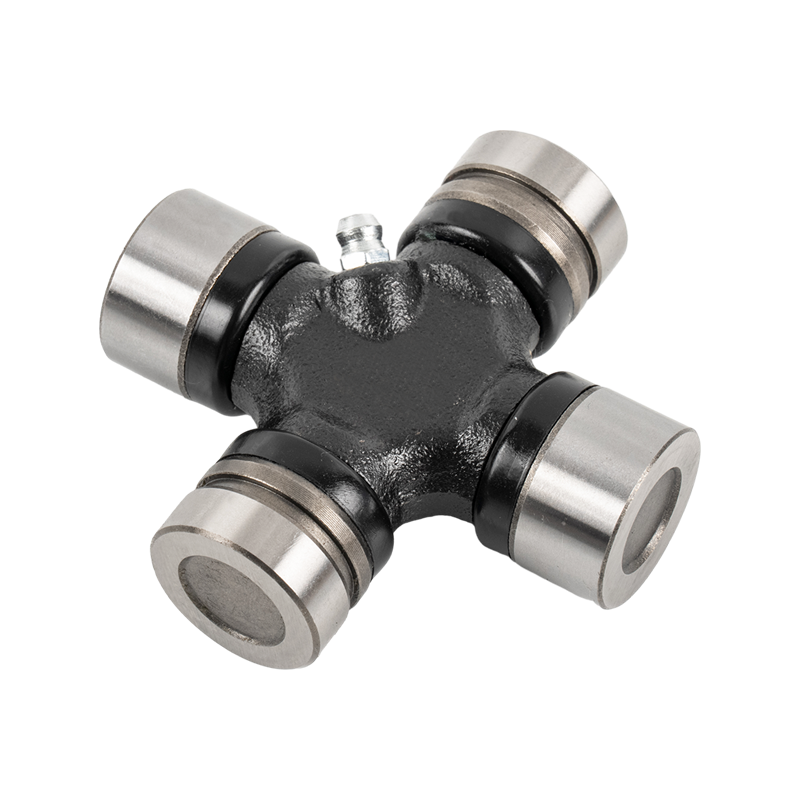
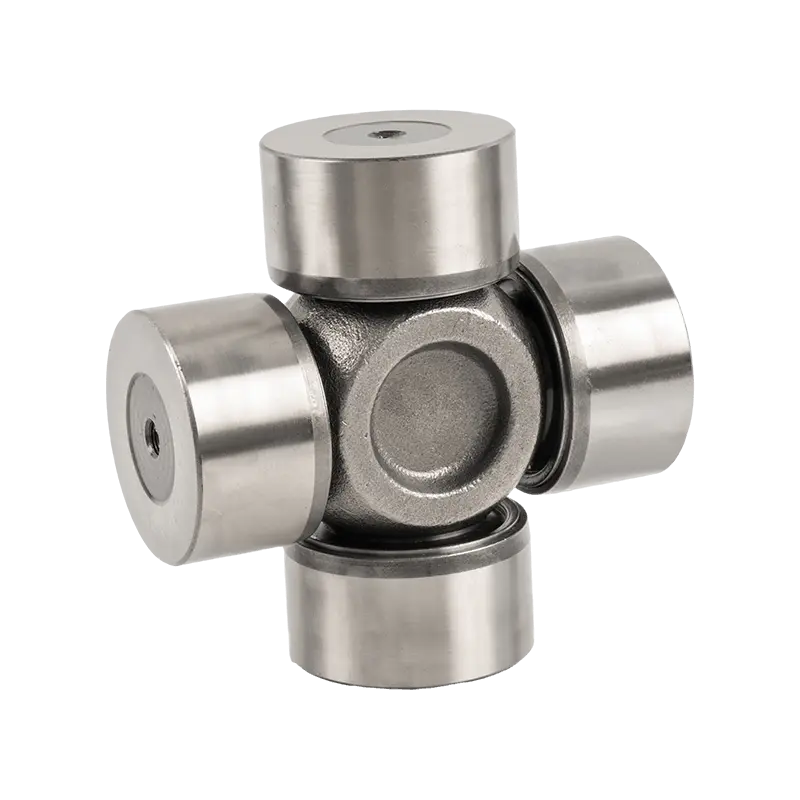
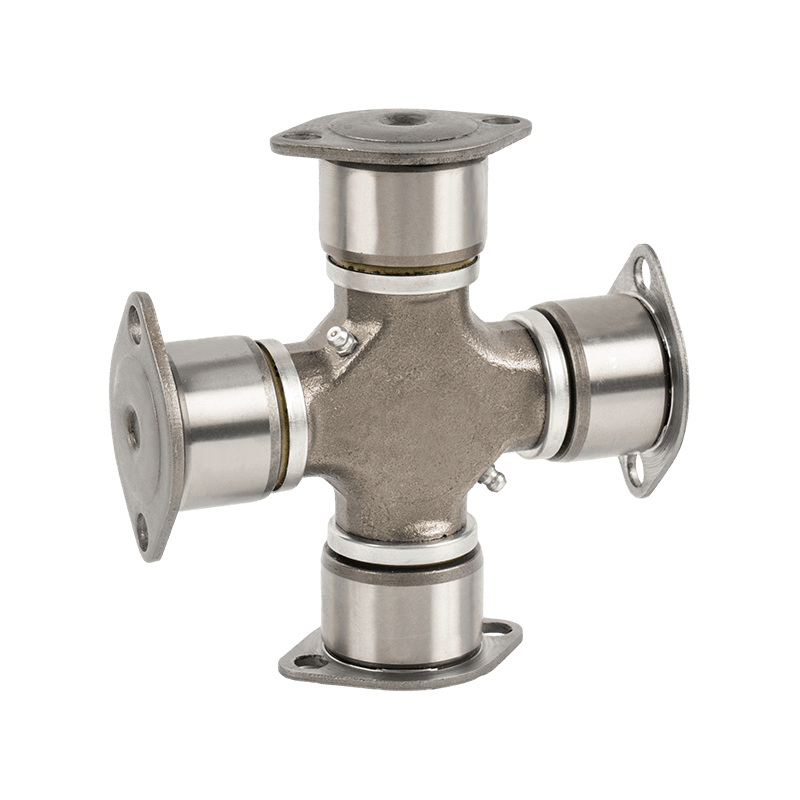
The cross joint consists of a four-point "cross" (the spider) and four needle bearing-filled caps. This design enables the transfer of torque from the driver’s hands to the wheels, regardless of the angle of the steering column. Without this flexible connection, steering would be rigid, vibrations from the road would be unbearable, and modern cabin ergonomics would be impossible to achieve.
Why This Component Matters in 2026
The automotive landscape is shifting toward electric vehicles (EVs) and advanced driver-assistance systems (ADAS). You might wonder: does a mechanical joint still matter in an era of "steer-by-wire"?
The answer is a resounding yes. Even as electronic interfaces grow, the physical connection remains a critical fail-safe in the vast majority of vehicles on the road today. Furthermore, as vehicles become heavier—due to large EV battery packs—the torque loads placed on the Steering Cross Joint have actually increased. Manufacturers are now tasked with creating joints that are lighter yet significantly stronger than those produced a decade ago.
Key Signs of Wear and Tear
Because the steering system is a primary safety feature, identifying a failing Steering Cross Joint early can prevent dangerous situations. Unlike some parts that fail instantly, a cross joint usually offers several "warning shots."
Common Symptoms to Watch For:
-
The "Notchy" Feeling: If you feel a rhythmic resistance or a "binding" sensation when turning the wheel, the needle bearings inside the joint may be rusted or flattened.
-
Strange Noises: Squeaking, clunking, or popping sounds when maneuvering at low speeds (like parking) often point to a lack of lubrication in the joint.
-
Steering Wheel Vibration: A worn joint can develop "play," leading to vibrations that travel up the column to your hands.
-
Off-Center Steering: If the joint is severely worn, the steering may feel loose, and the vehicle might struggle to maintain a straight line.
Innovations in Manufacturing and Materials
The industry has seen a quiet revolution in how these joints are made. To meet the demands of 2026 standards, manufacturers have moved away from basic steel toward advanced alloys.
Enhanced Durability
Modern Steering Cross Joints often feature specialized coatings like zinc-nickel or chrome-free finishes to combat road salt and corrosion. In the past, a cross joint might last 100,000 miles; today’s high-end replacements are engineered to last the lifetime of the vehicle under normal driving conditions.
Precision Bearing Technology
The "needle bearings" inside the caps are the most sensitive part of the assembly. New synthetic greases with higher thermal stability ensure that the joint operates smoothly in both Arctic winters and desert summers. These lubricants are designed to resist "washout" from high-pressure road spray.
The Role of the Cross Joint in Vehicle Safety
Safety is the cornerstone of the automotive industry. A compromised Steering Cross Joint isn't just an inconvenience; it’s a risk. If a joint were to seize completely, the driver would lose the ability to turn the vehicle.
This is why rigorous testing is now standard. Manufacturers subject these components to:
- Torsional Strength Tests: Ensuring the joint won't snap under sudden, heavy steering inputs.
- Fatigue Testing: Simulating millions of turns to ensure long-term reliability.
- Environmental Stress: Exposing parts to extreme mud, salt, and water to test seal integrity.
Global Market Trends: Supply and Demand
The global market for steering components is currently experiencing a period of stabilization. While the supply chain disruptions of the early 2020s are largely behind us, there is a clear trend toward localized manufacturing.
Companies are increasingly looking for suppliers who can provide "just-in-time" delivery of high-quality Steering Cross Joints. There is also a growing secondary market (aftermarket) as the average age of vehicles on the road continues to climb. Maintaining older vehicles requires a steady supply of reliable, OE-spec (Original Equipment) components.
Maintenance Tips for Longevity
While many modern steering joints are "sealed for life," they still benefit from a watchful eye. During your routine oil change or tire rotation, a quick inspection can save thousands in future repairs.
- Check the Boots: If your steering joint is protected by a rubber boot, ensure there are no rips or tears. A damaged boot allows grit to enter the bearings, which acts like sandpaper.
- Keep it Clean: While you shouldn't blast a joint directly with a high-pressure power washer, keeping the area free of heavy mud buildup prevents moisture from sitting against the seals.
- Listen Closely: Often, the first sign of a problem is auditory. Don't ignore a small "click" when turning.
Choosing the Right Replacement
If you find yourself needing a replacement Steering Cross Joint, quality should be your only metric. The "cheapest" part often carries the highest long-term cost.
Why Quality Matters:
- Tolerance: High-quality joints are machined to tolerances measured in microns. A poor fit leads to premature wear of the entire steering column.
- Material Integrity: Cheap imitations often use inferior steel that can become brittle in cold temperatures.
- Warranty: Reputable manufacturers back their products, giving you peace of mind that the part is built to last.
The Future: Towards a Maintenance-Free World?
As we look toward 2030, the goal for many engineering firms is the "zero-maintenance" vehicle. For the Steering Cross Joint, this means developing self-lubricating materials and even more robust sealing technologies.
While we may eventually see a shift in how steering is handled in autonomous shuttles, for the millions of passenger cars and heavy-duty trucks currently in use, the mechanical cross joint remains the gold standard for tactile feedback and mechanical certainty.
Conclusion
The Steering Cross Joint may be small, but its impact on your daily commute is massive. It represents the perfect marriage of simple mechanical principles and modern material science. By staying informed about the signs of wear and the latest industry standards, you can ensure that your vehicle—or your fleet—remains safe, responsive, and ready for the road ahead.